"Batik Squares" Naturally Dyed Linen Cushion Cover

€80.00

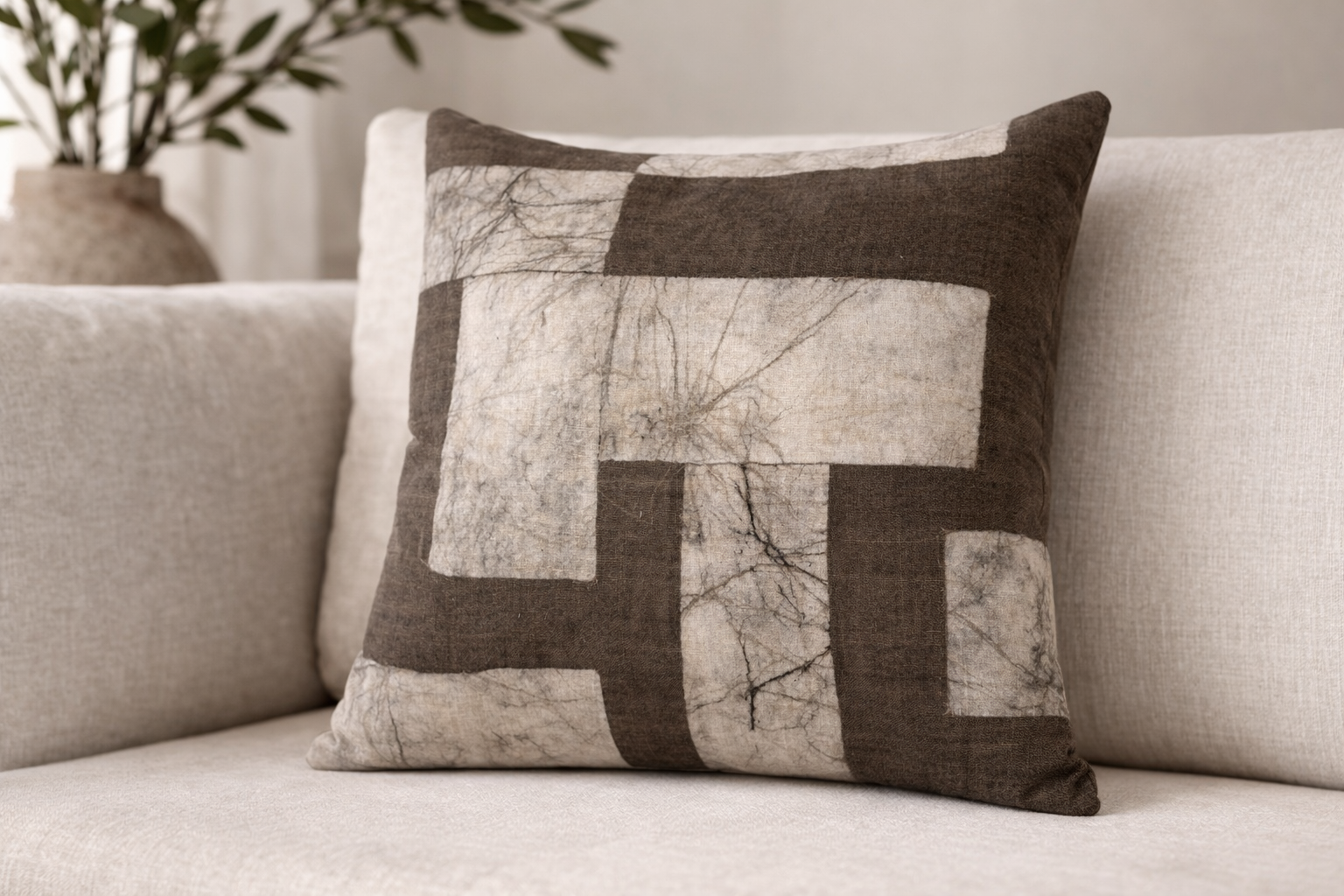
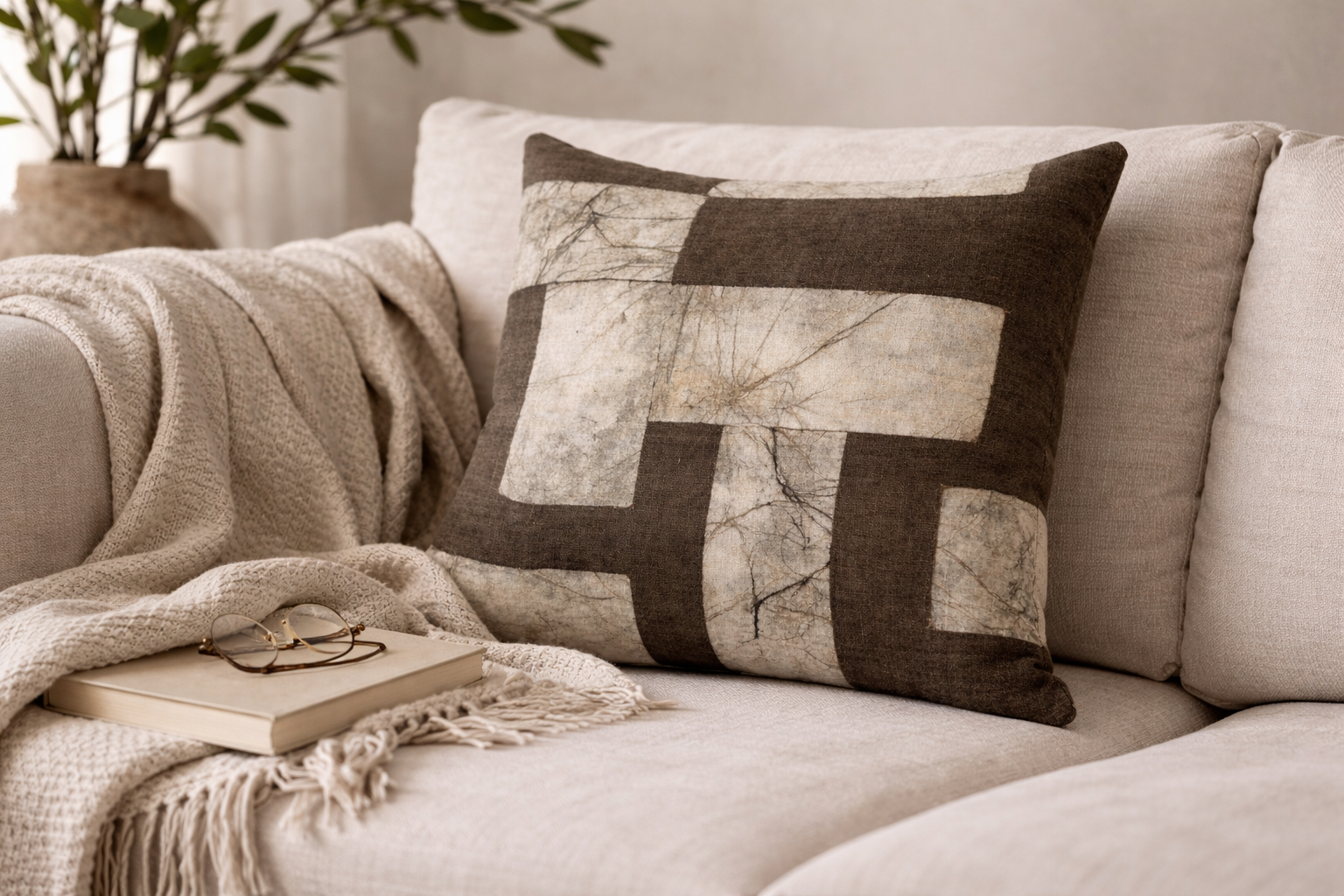
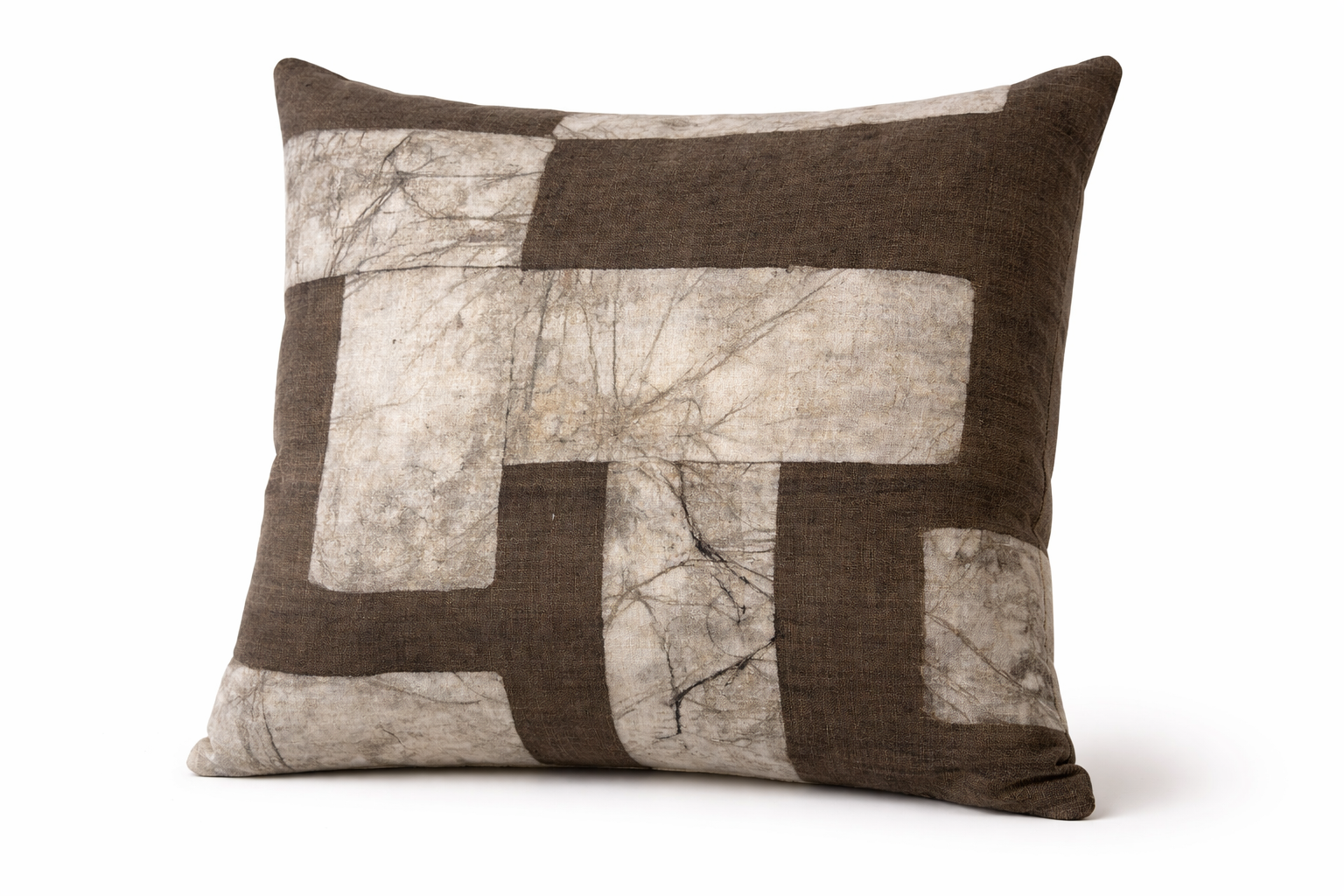
A naturally dyed linen cushion cover created using the batik wax-resist technique and traditional natural dyeing methods.

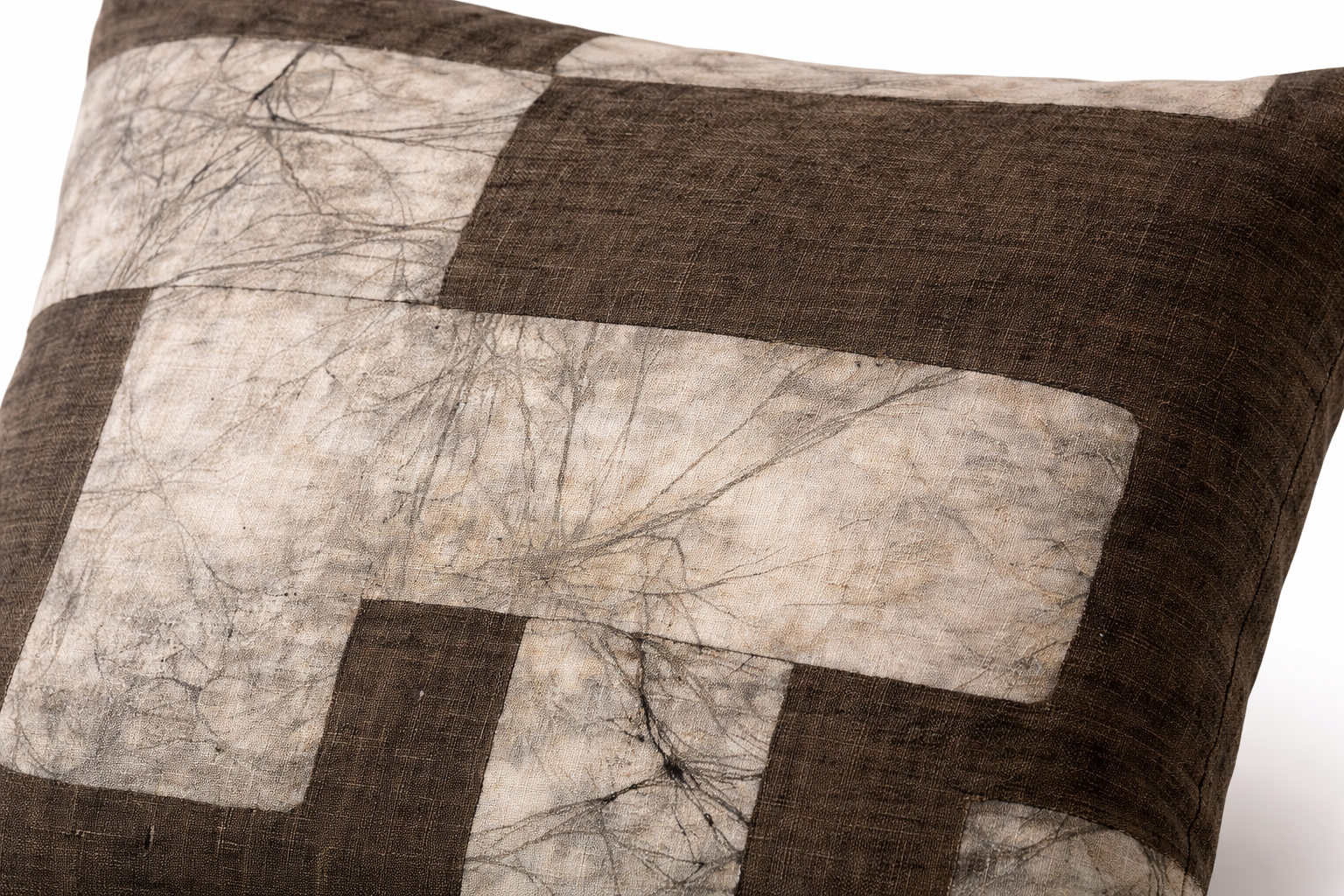
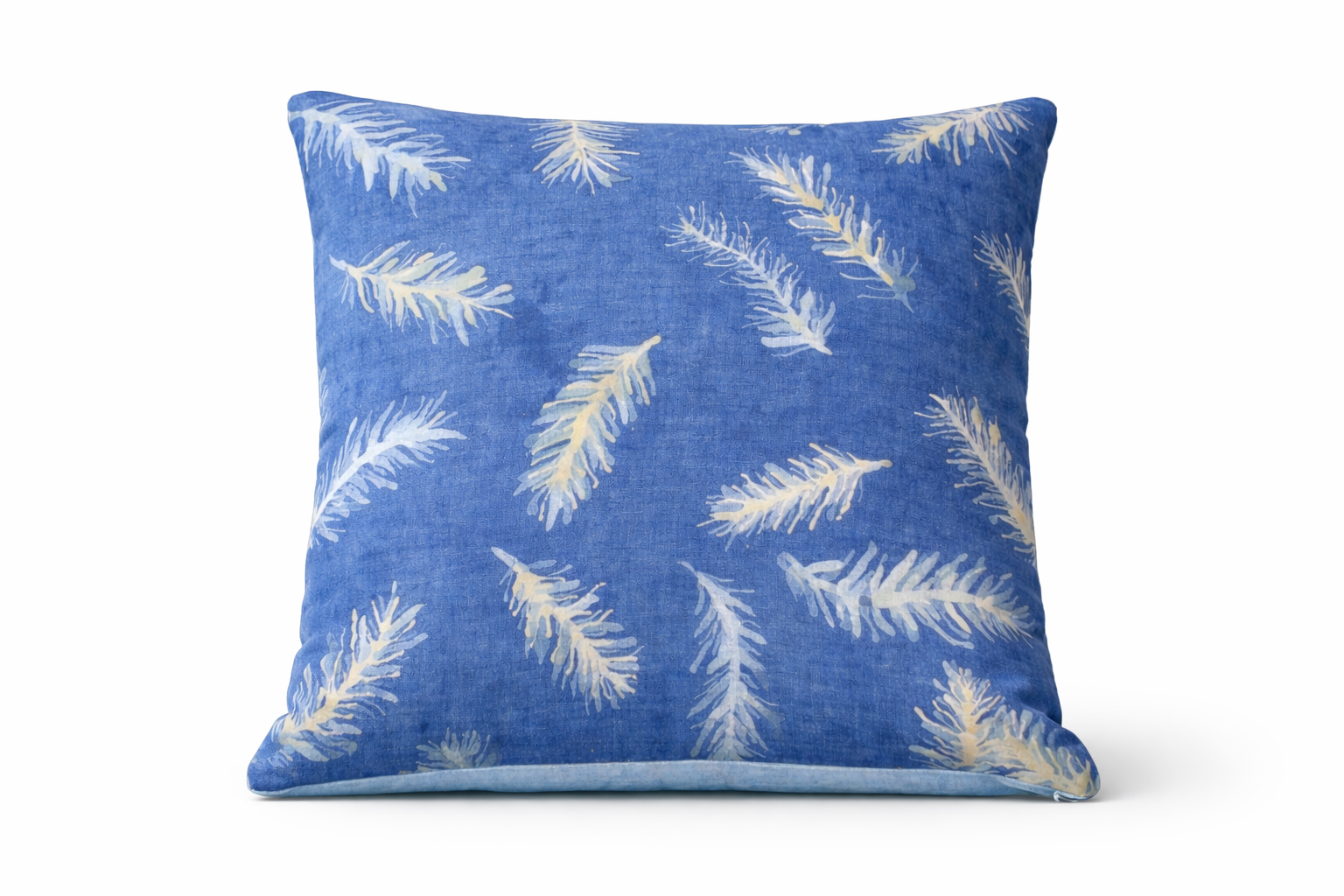
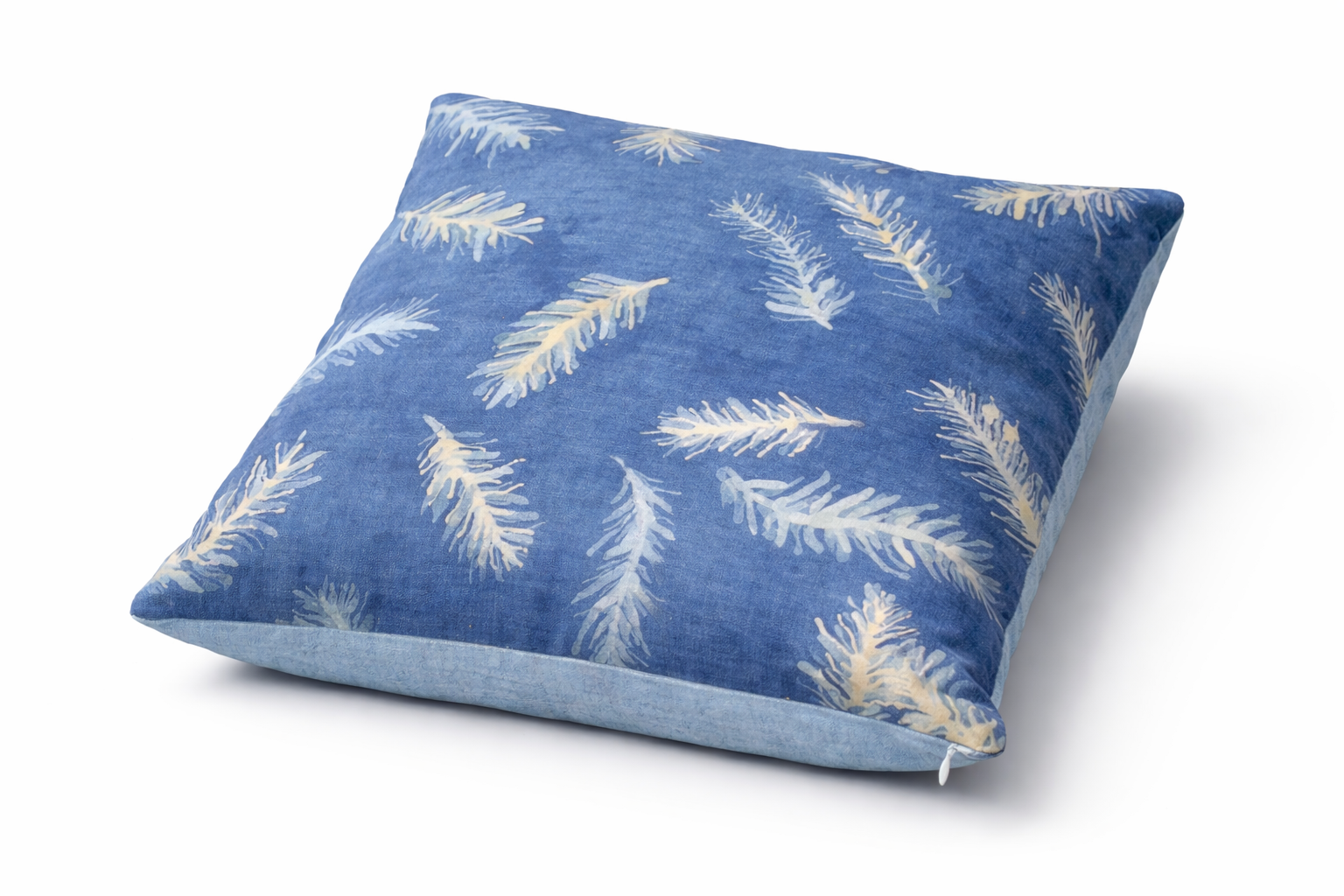
The front of the cushion is made from un-dyed linen sourced from Athens, Greece. The fabric is first naturally dyed with indigo by Christiana, creating deep blue tones. Using the batik technique, wax is applied in a square pattern to resist the dye and create geometric lines within the textile. The piece is then over-dyed with acorn cupules, producing layered earthy tones and subtle variations unique to natural dyeing.

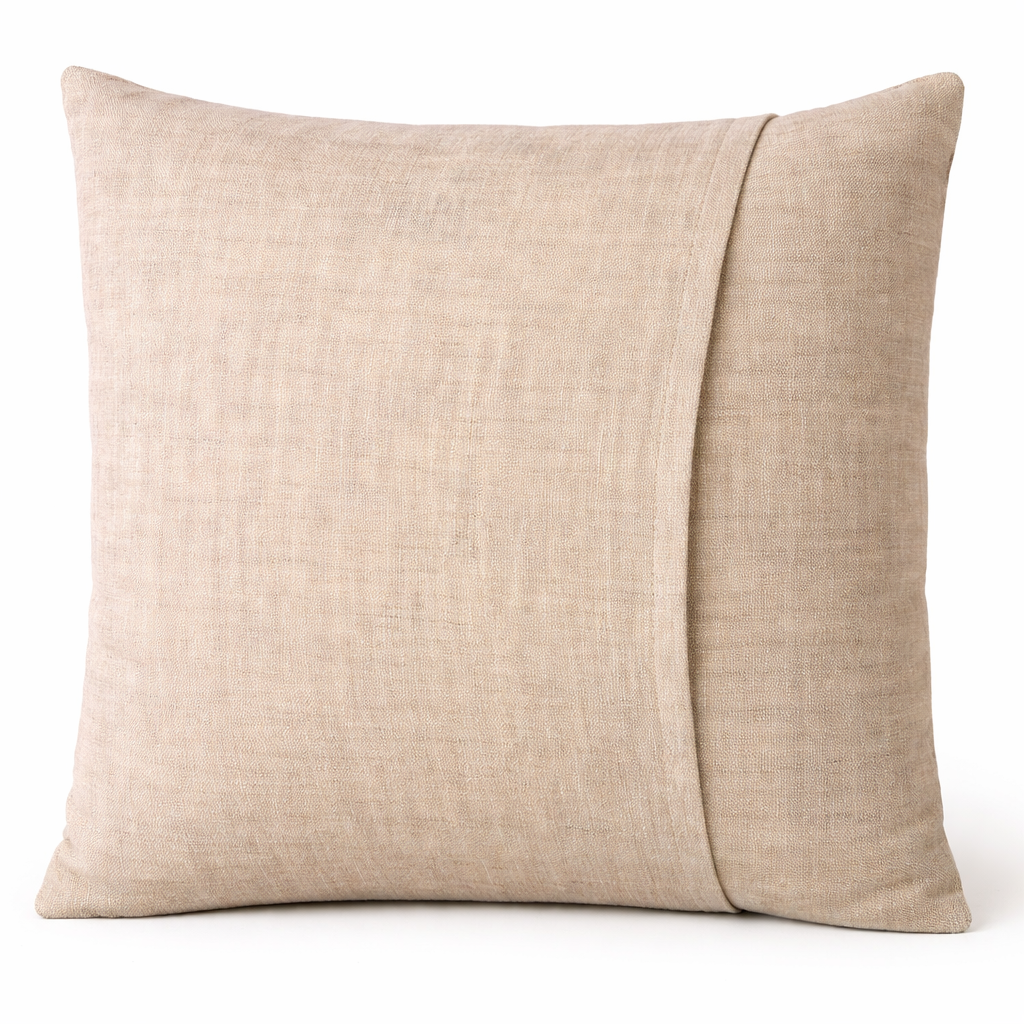
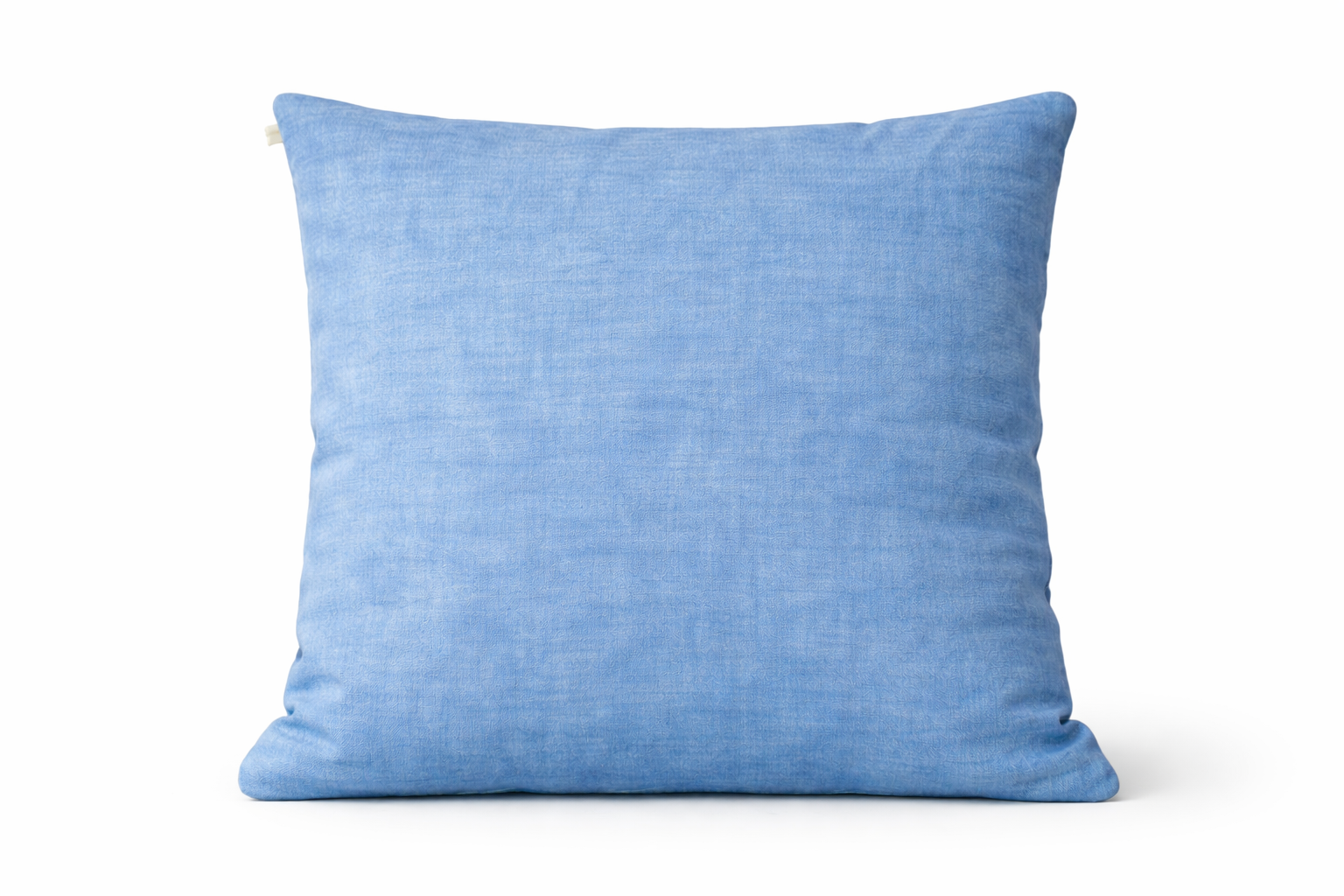
The back of the cushion is made from un-dyed linen.

Machine sewn by Violetta in our Athens-based studio and finished with an envelope closure.
Approximate size: 40cm × 40cm

Pillowcase only – filling is not included.
If you would like to purchase the filling, please email us.

A naturally dyed linen cushion cover created using the batik wax-resist technique and traditional natural dyeing methods.

The front of the cushion is made from un-dyed linen sourced from Athens, Greece. The fabric is first naturally dyed with indigo by Christiana, creating deep blue tones. Using the batik technique, wax is applied in a square pattern to resist the dye and create geometric lines within the textile. The piece is then over-dyed with acorn cupules, producing layered earthy tones and subtle variations unique to natural dyeing.

The back of the cushion is made from un-dyed linen.

Machine sewn by Violetta in our Athens-based studio and finished with an envelope closure.
Approximate size: 40cm × 40cm

Pillowcase only – filling is not included.
If you would like to purchase the filling, please email us.

Batik

Batik is a wax-resist dyeing technique which originated in Indonesia.

The applied wax resists the dyes and therefore allows us to colour selectively by dyeing fabric in one colour and then removing the wax. In our practice, this is usually repeated a few times, creating layers with many different colours.


Natural Dyeing

Botanical dyeing is a slow process, that can be unpredictable and there are often pleasant colour surprises. It takes several hours to extract the natural pigment from plants, sometimes even days!