Discover how textile can be transform through plants
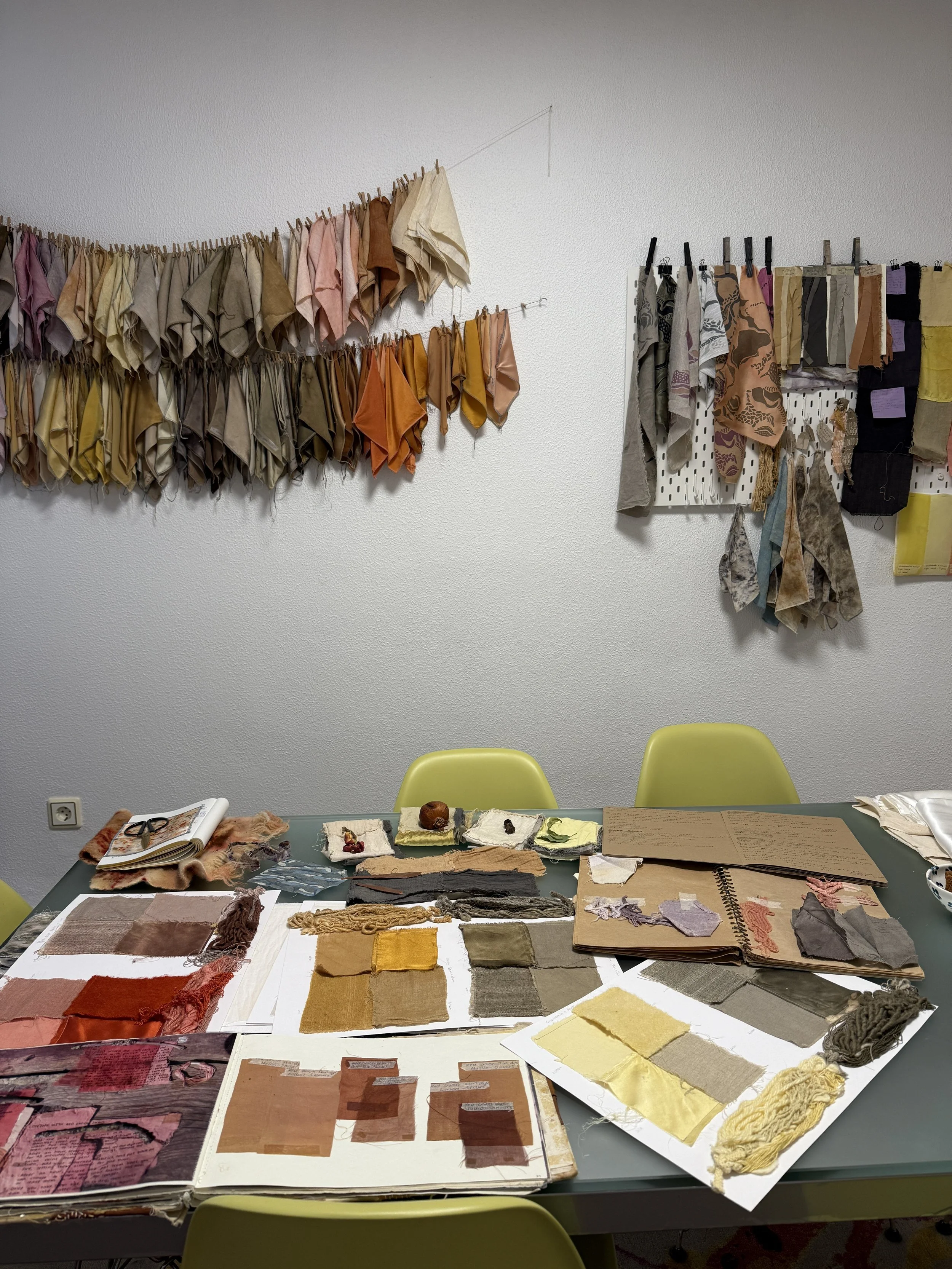
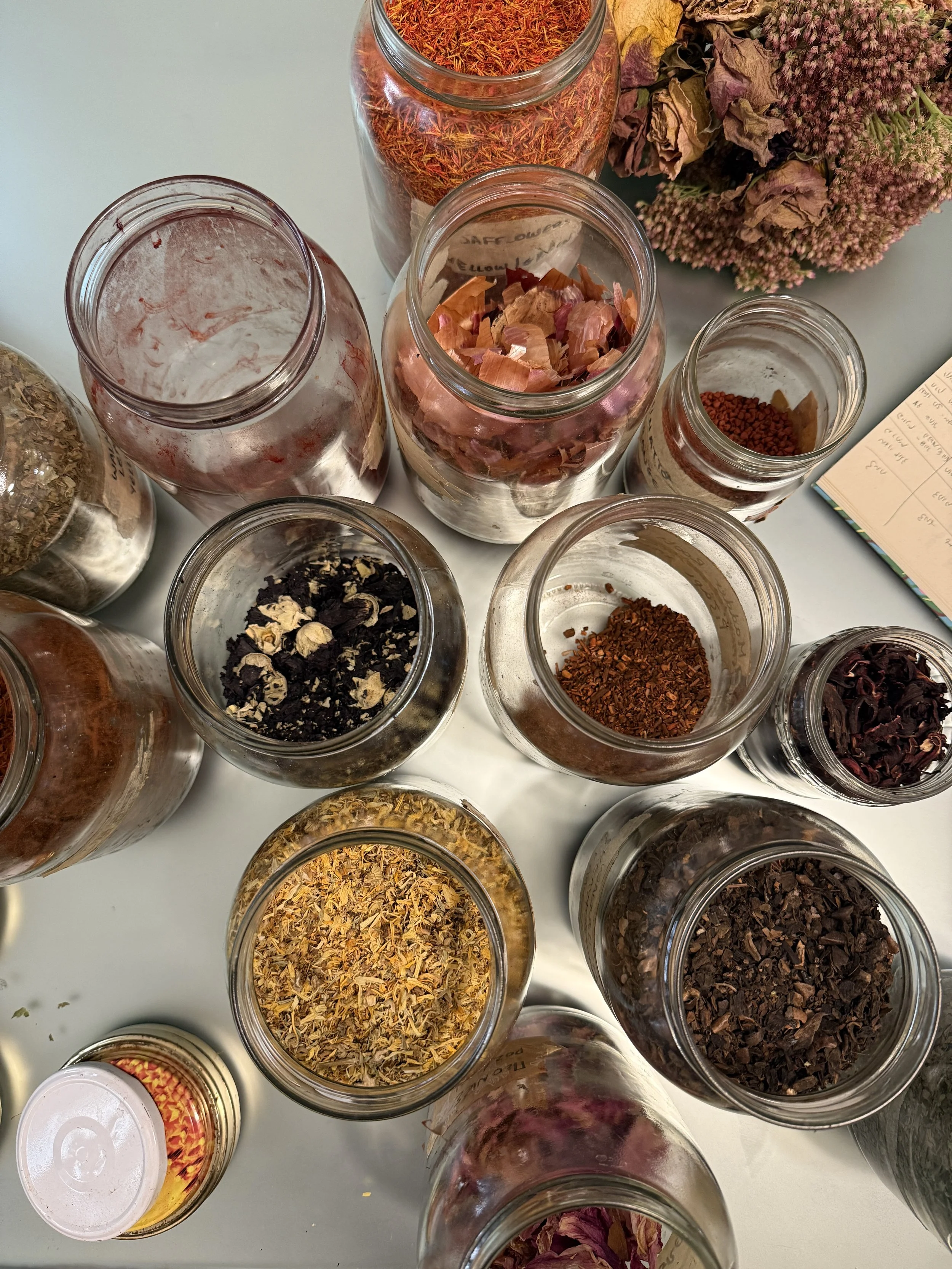
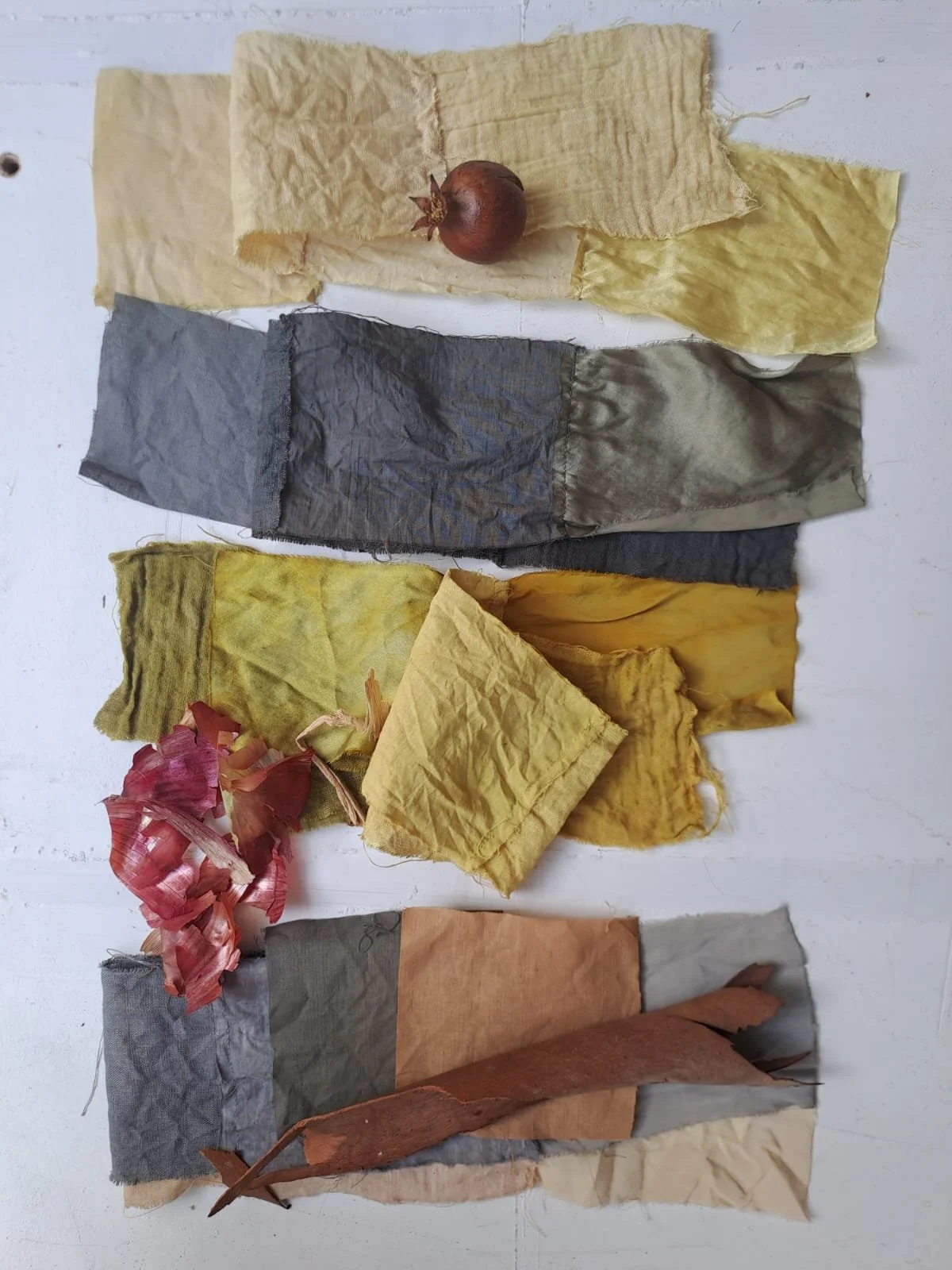
Step into the world of natural colour and discover how plants, roots, flowers, bark and even food waste can be transformed into beautiful dyes and botanical patterns.
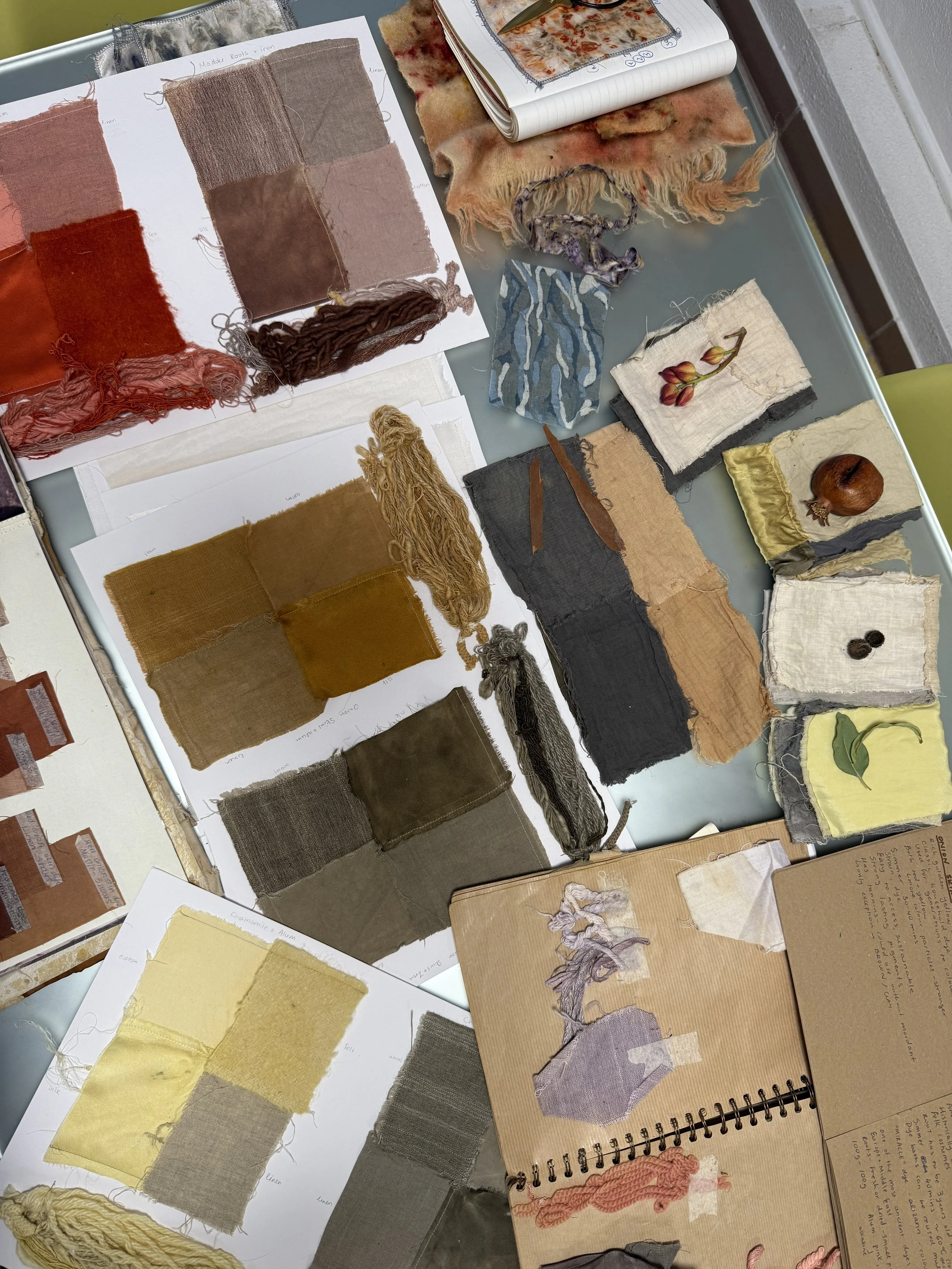
These hands-on private classes are designed to help you understand the natural dyeing process rather than simply follow a set of instructions. We will explore how fibres, plants, mordants and different techniques behave, giving you the knowledge and confidence to continue experimenting and make your own creative choices.
All classes are a mix of theory and practical work.
Depending on your interests and experience, you can choose from different techniques and the amount of hours you would like to take:
Introduction to Natural Dyeing
Minimum 3 hours
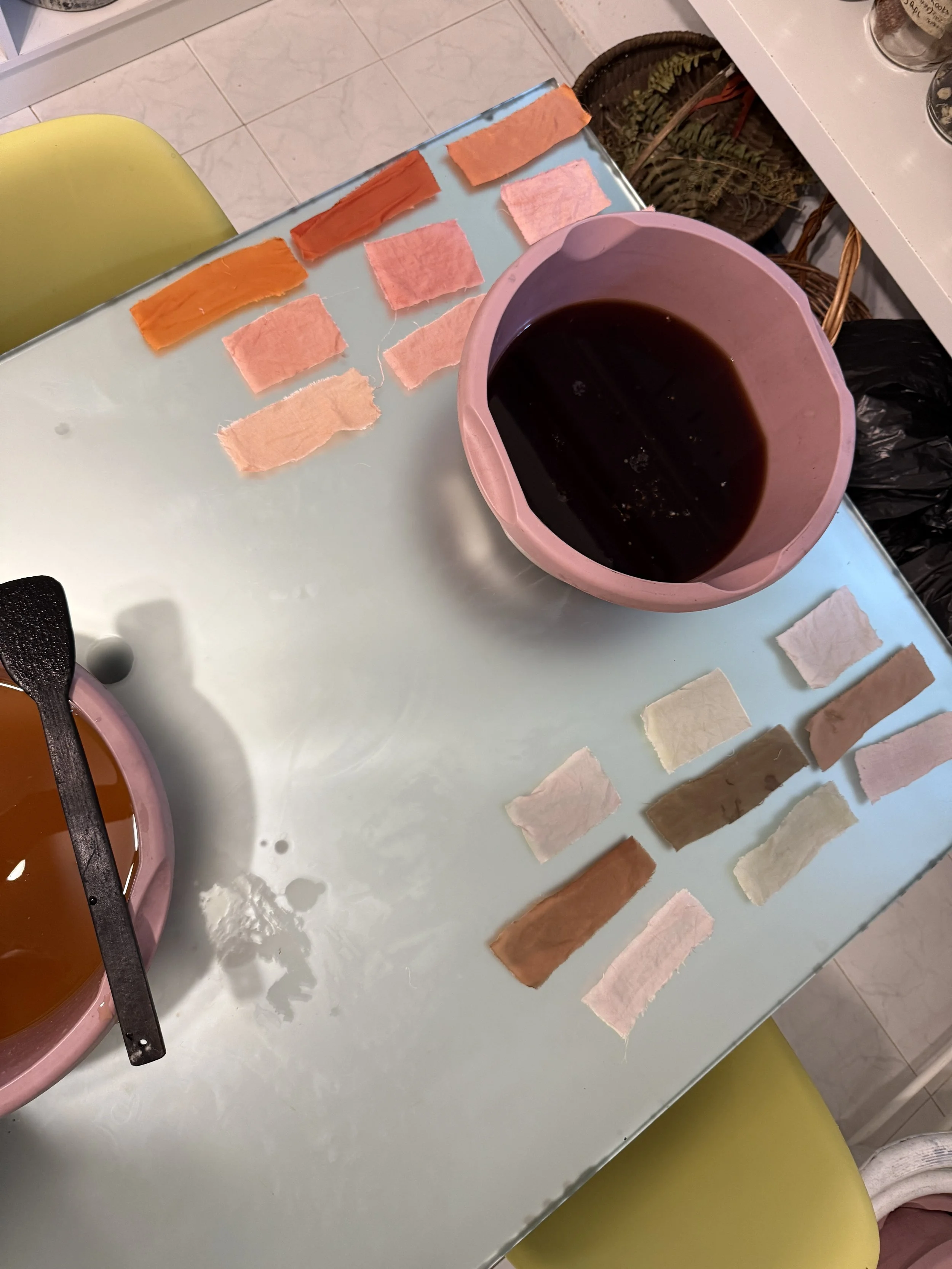
A complete introduction to working with plant-based colour. You will learn about preparing fabric, mordanting, extracting colour from plants and understanding how different natural fibres respond to dye.
Bundle Dyeing
Minimum 2.5 hours
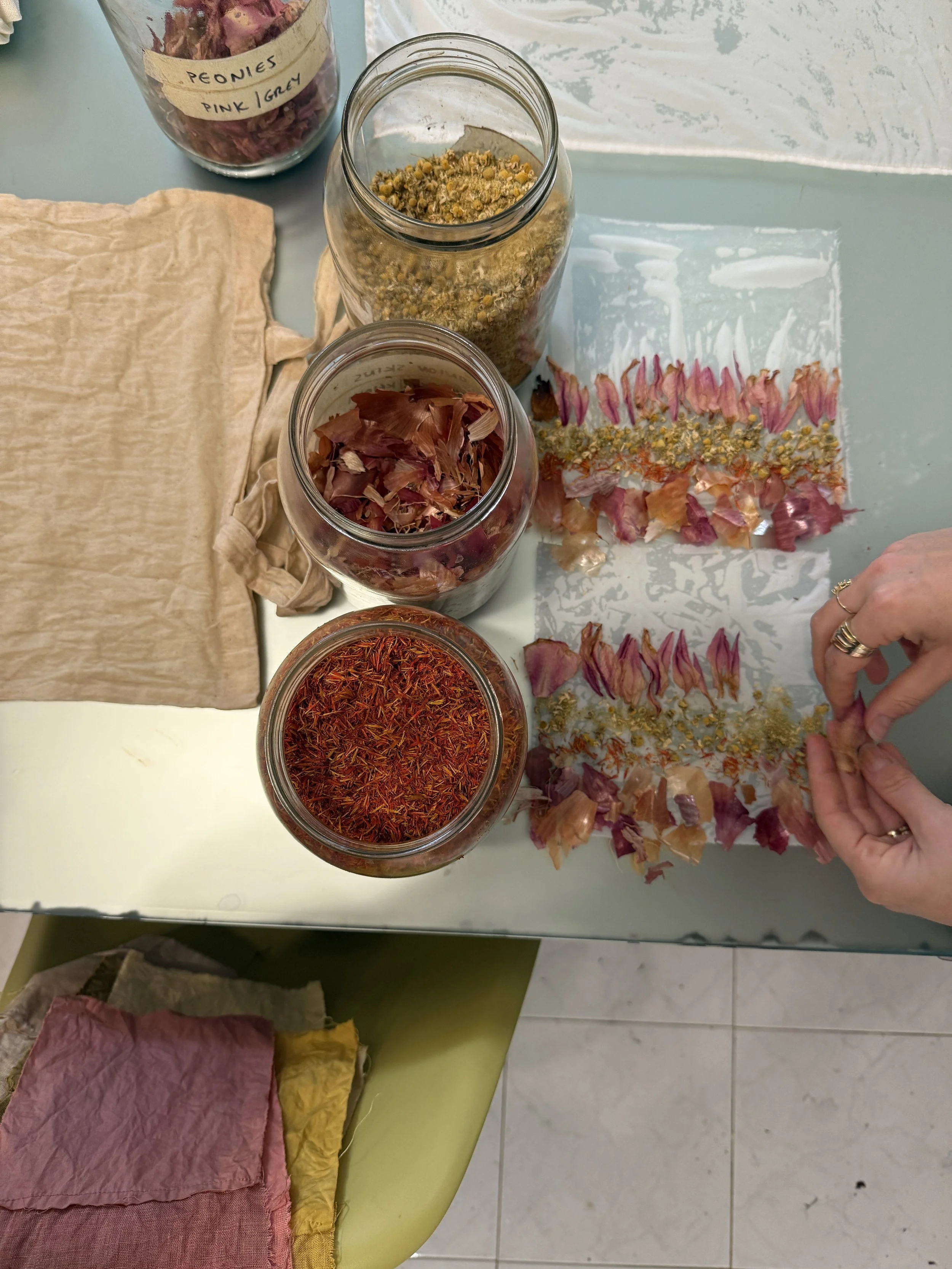
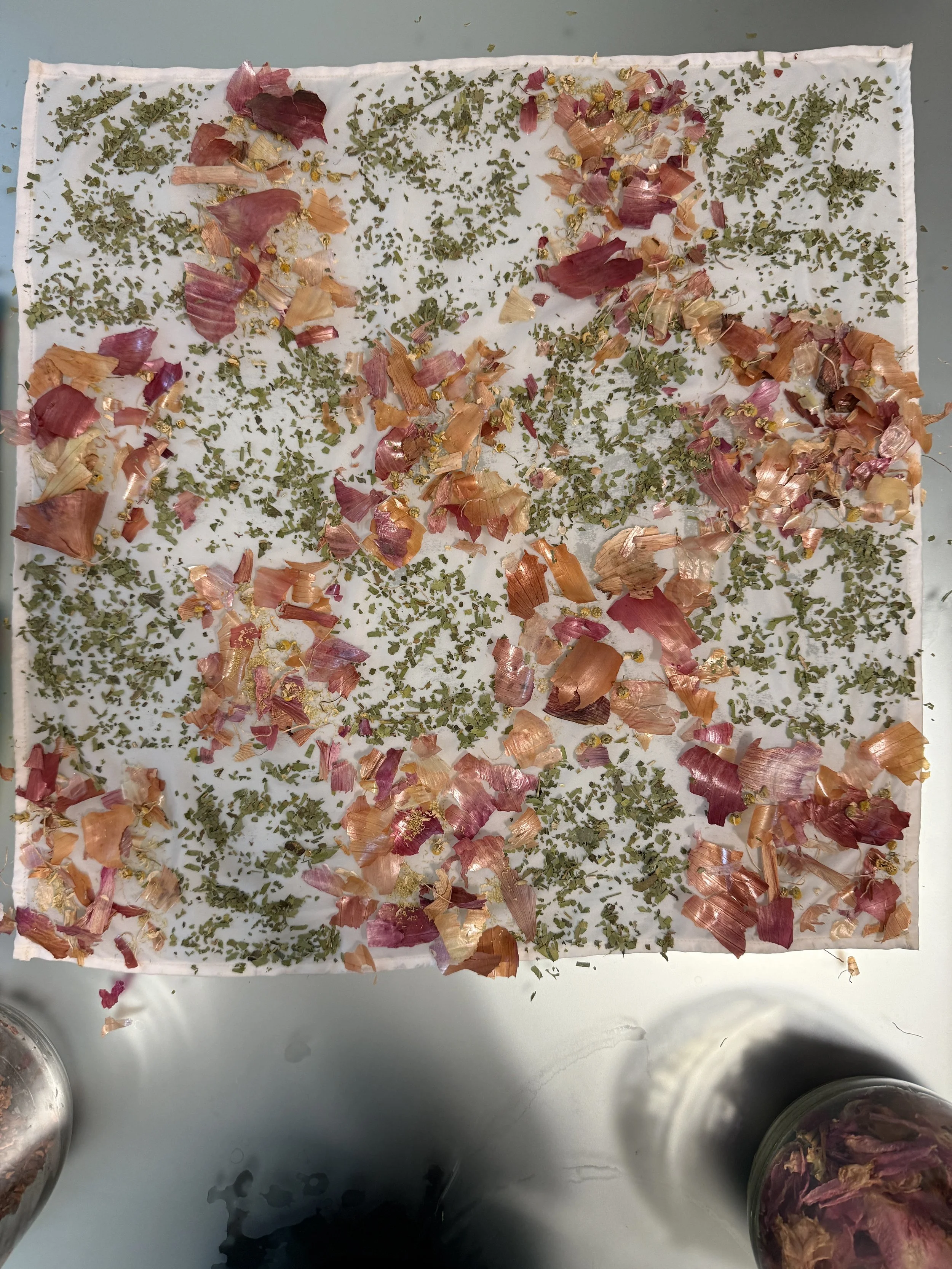
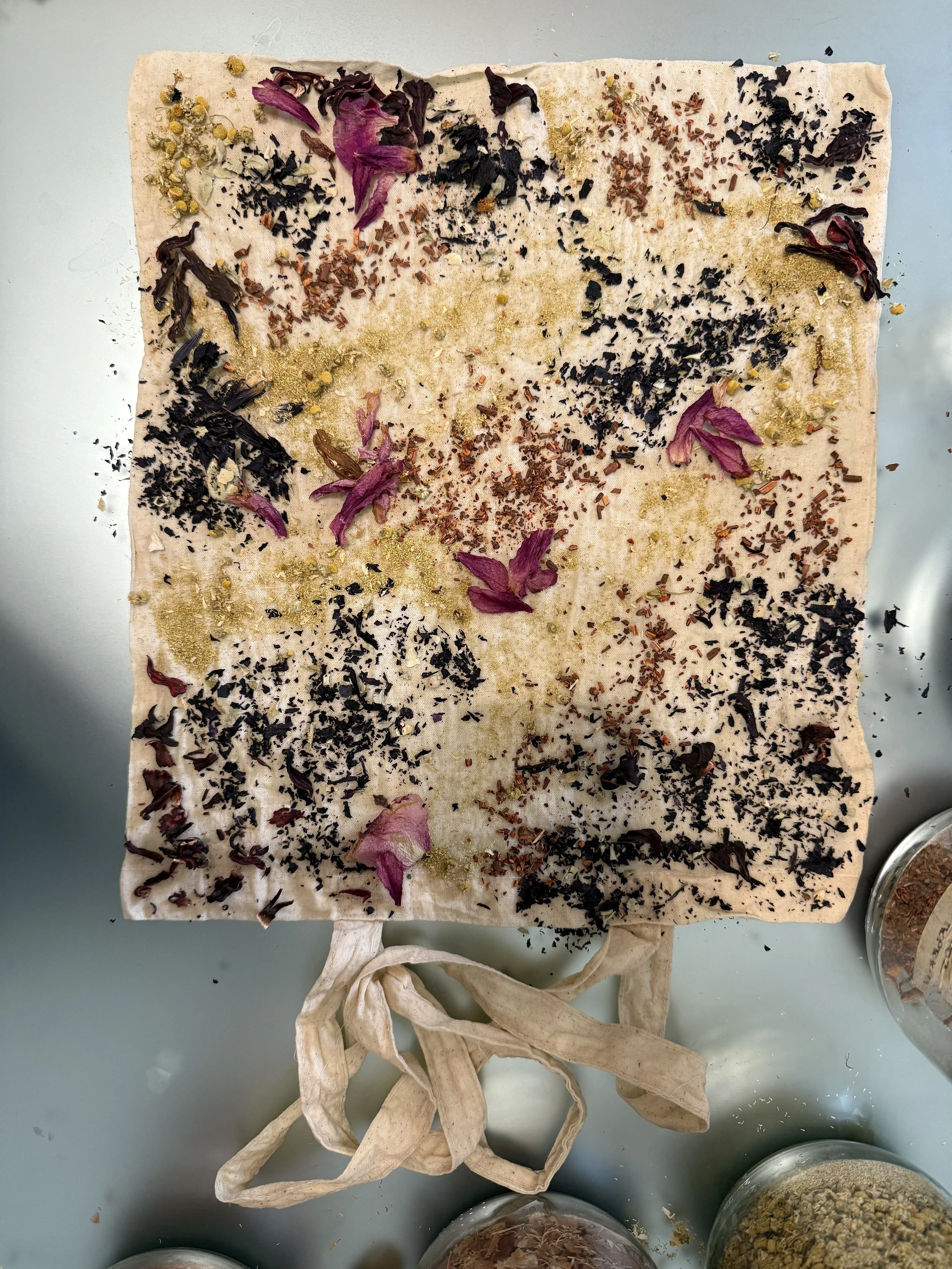
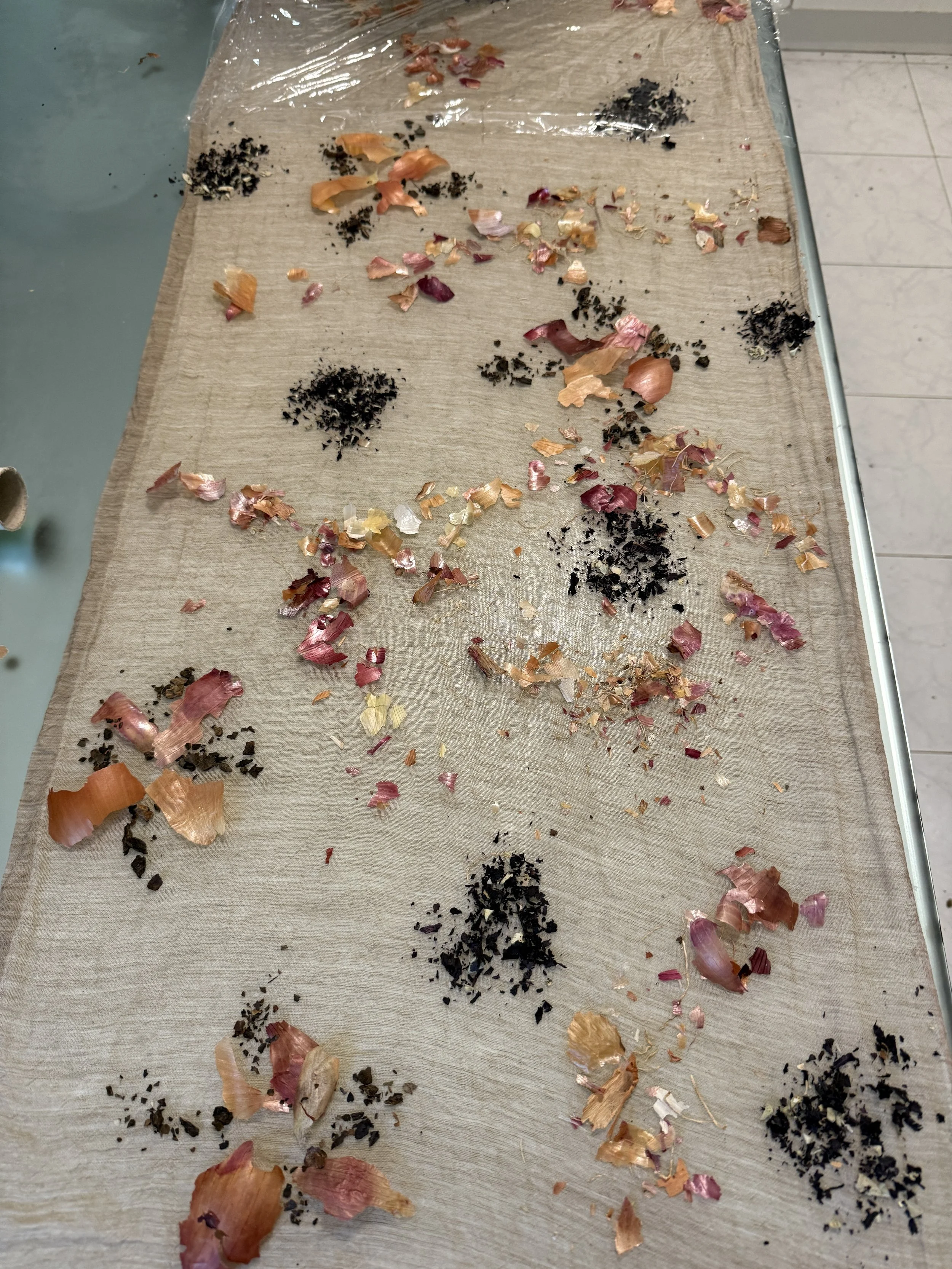
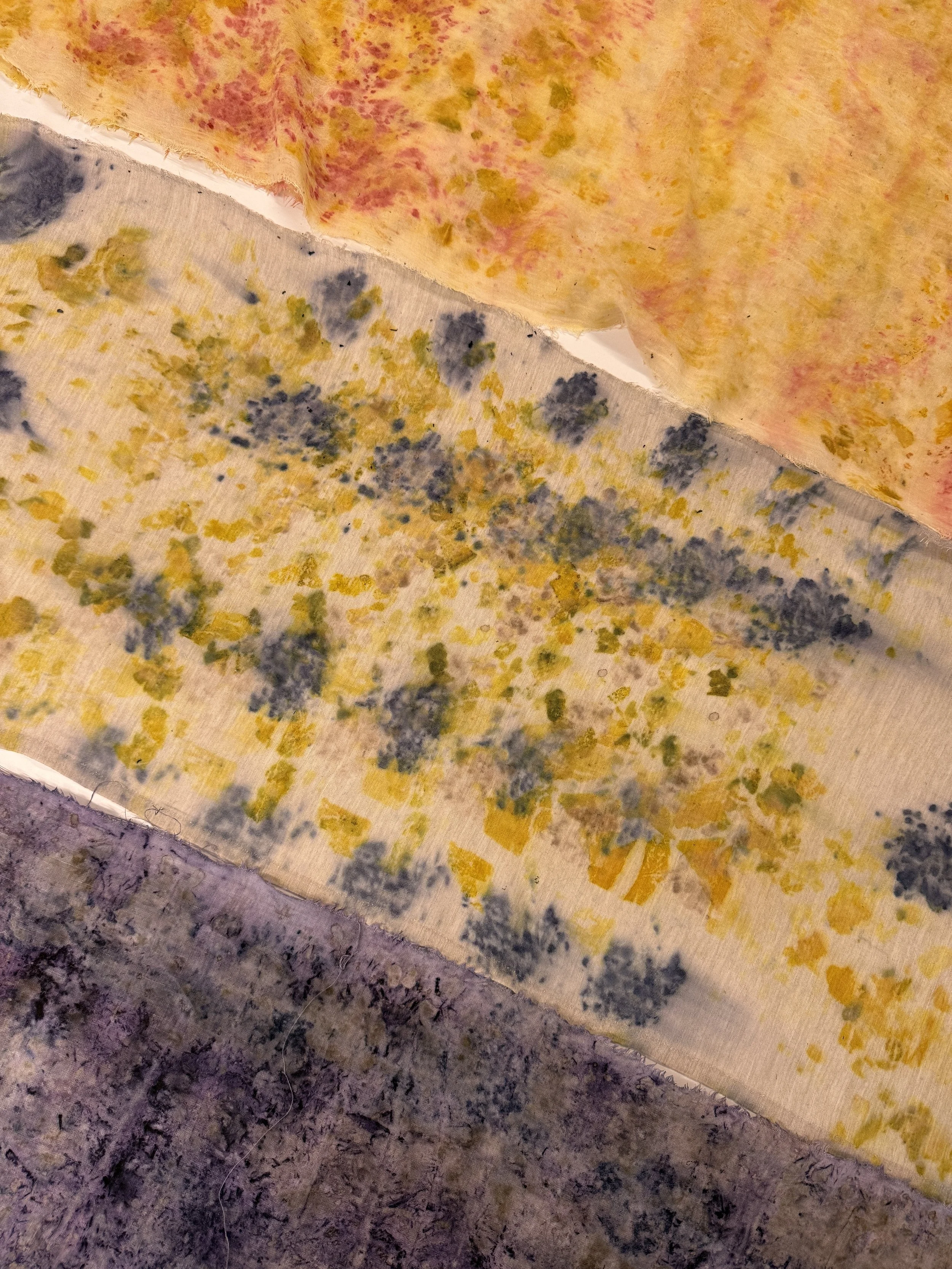
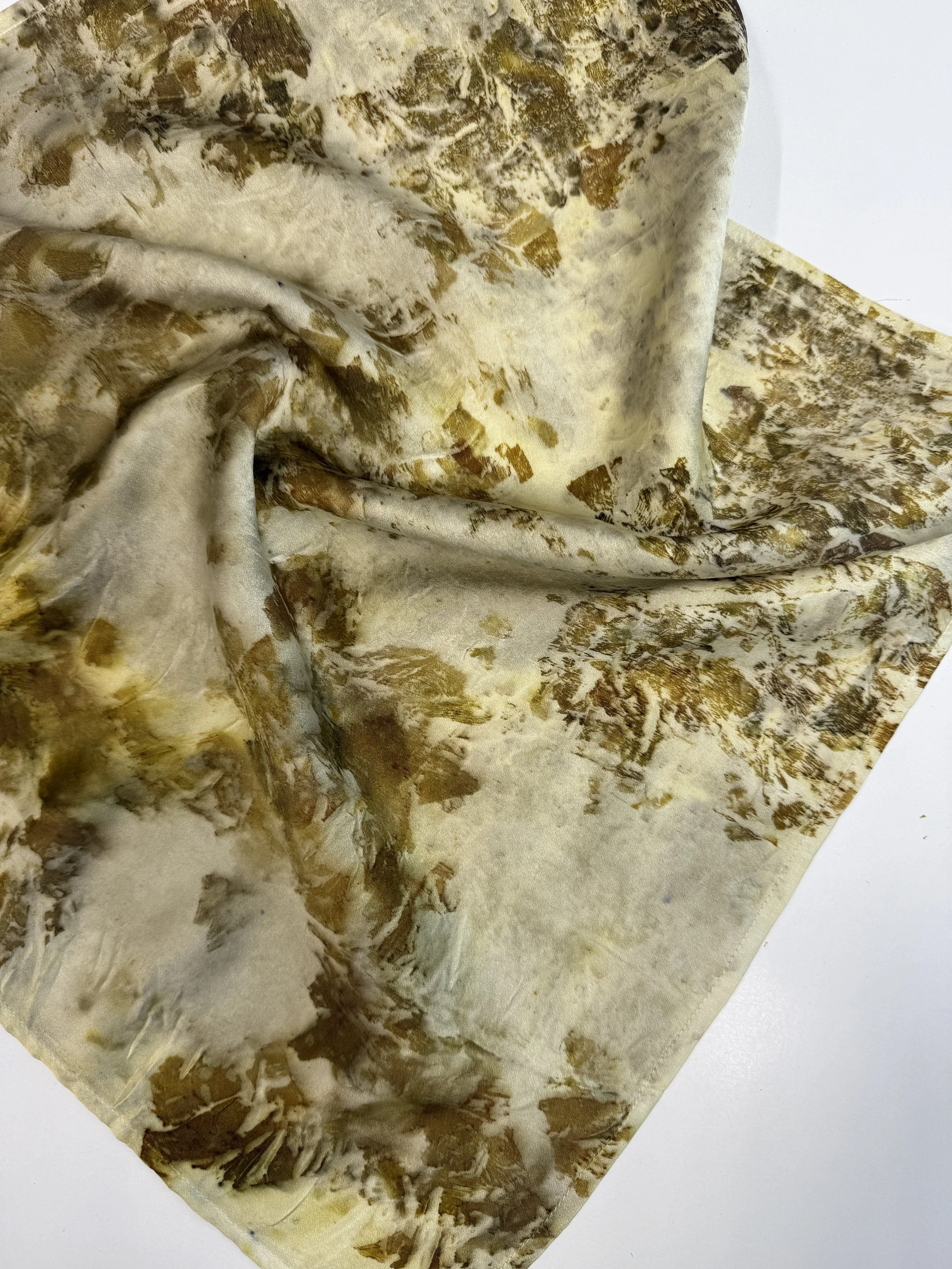
Bundle dyeing is a contemporary technique. For this process we use botanical dyes from fresh and dried flowers, leaves, pieces of bark, plant roots and kitchen waste (onion skins, pomegranate skins) to create herbal - infused prints.
The print forms when the plant transfers its colour onto the fabric. This happens with the use of steam. A lot of patterns (abstract or symmetrical) can be created with the use of different rolling and folding styles. The results are very unpredictable and therefore it’s a great opportunity to play and experiment!
It has a bit of theory but mostly it is fun, creative and there’s always an element of surprise.
Shibori
Minimum 2 hours
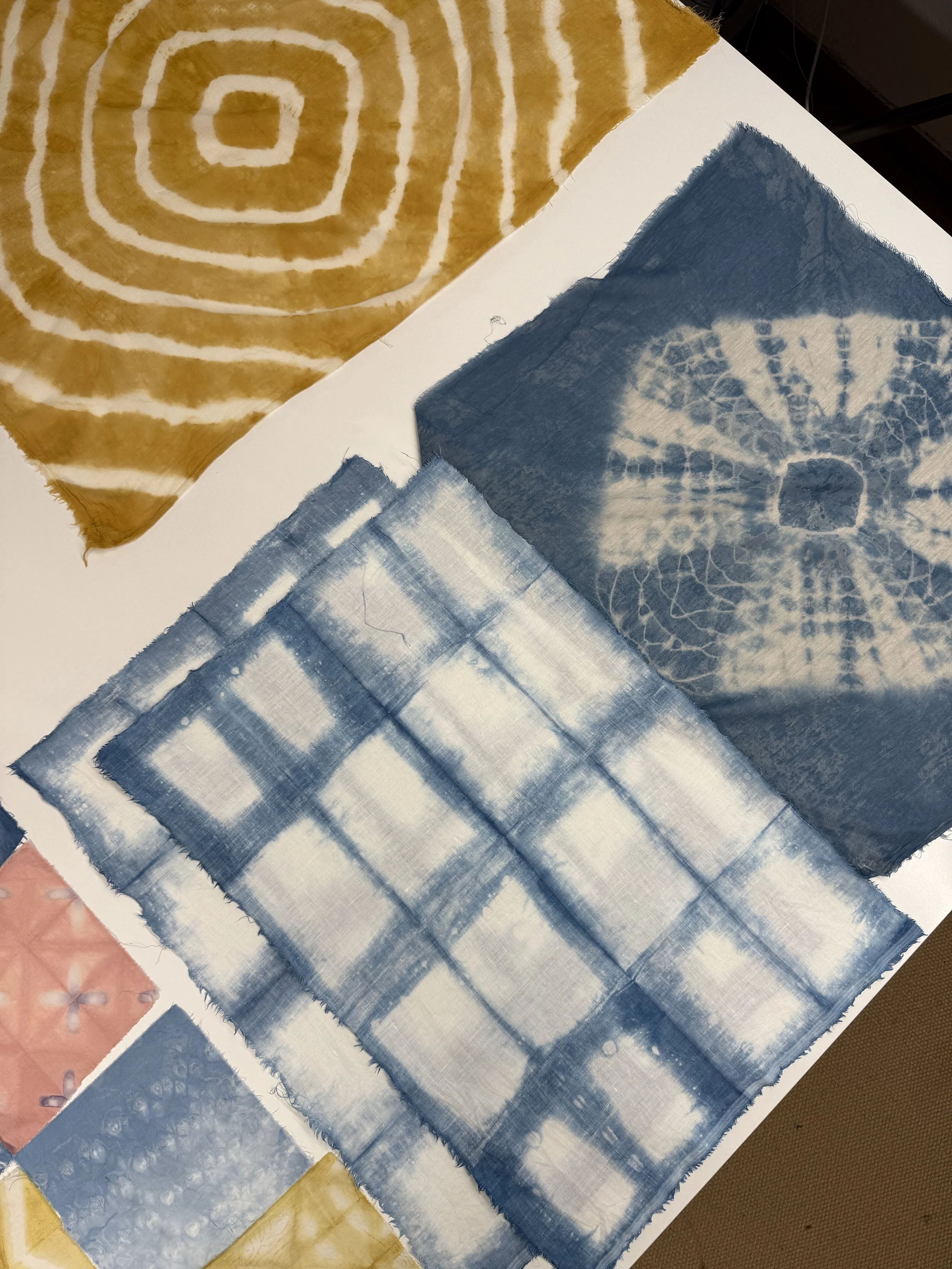
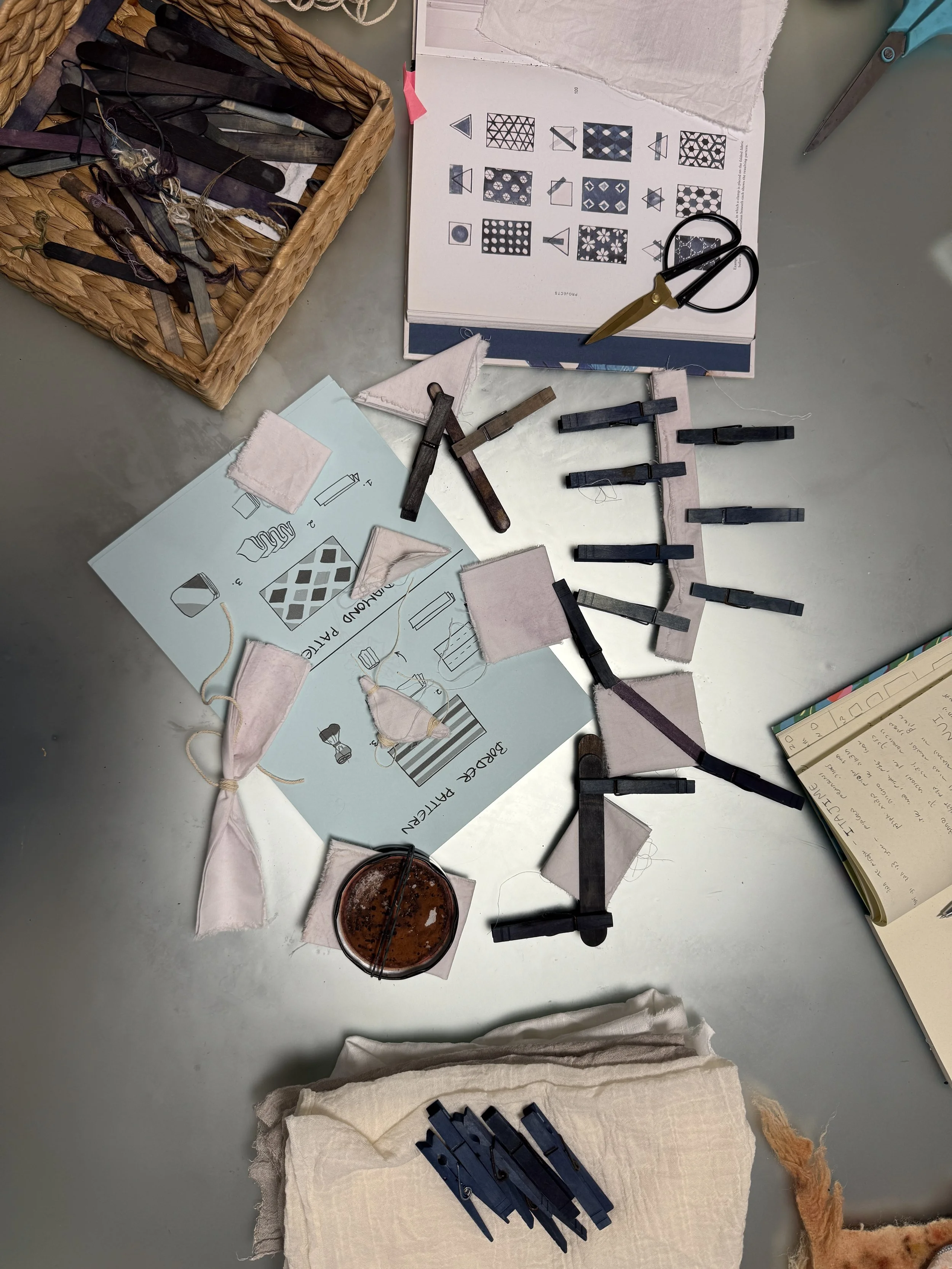
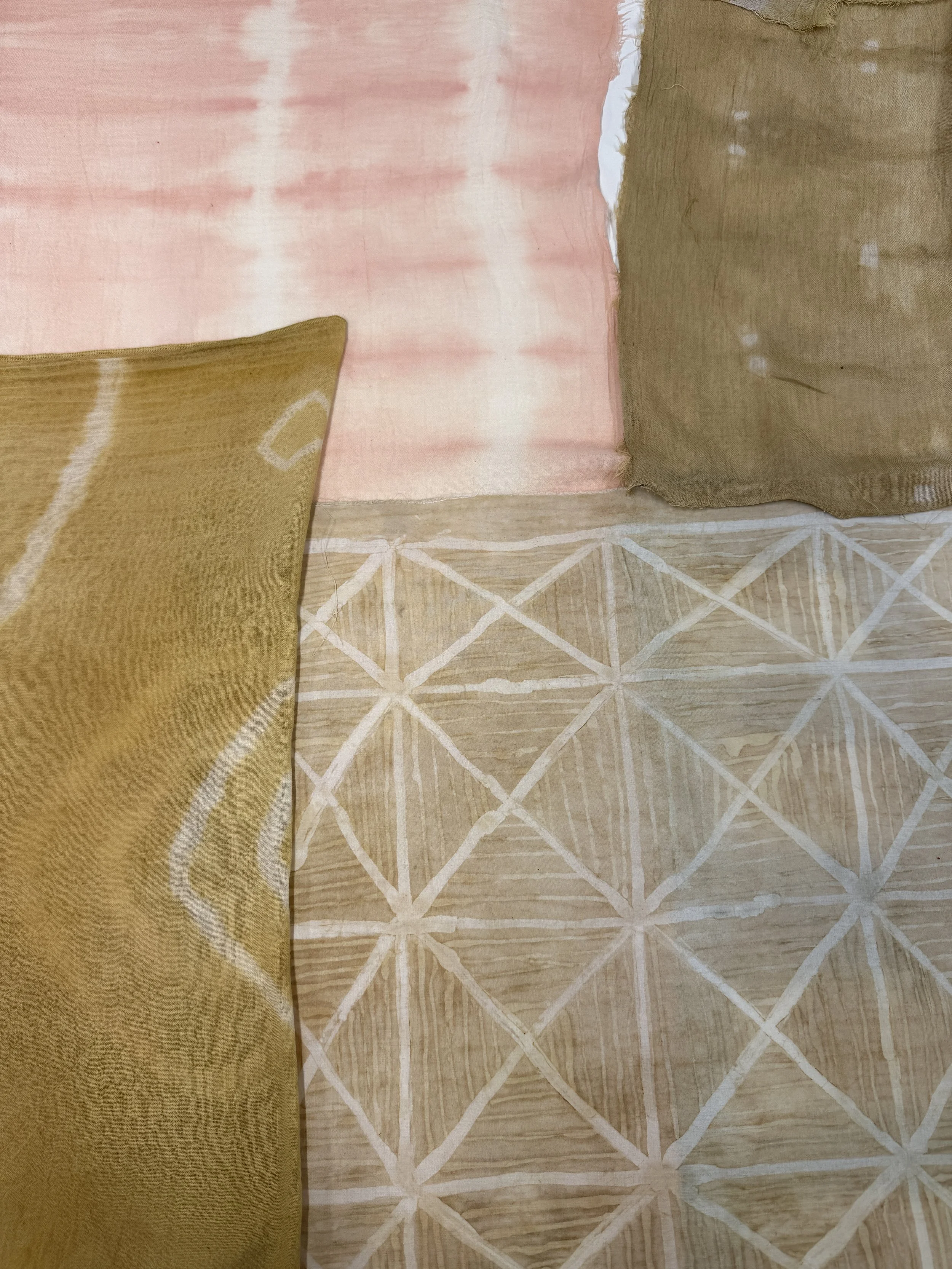
Explore the Japanese art of shaped-resist dyeing through folding, binding, wrapping and stitching techniques. You will create different patterns by controlling which areas of the fabric are exposed to the dye.
The class combines structure with experimentation, allowing every participant to develop an individual design.
Batik
Minimum 4 hours
Batik is a wax-resist technique that developed in Indonesia.
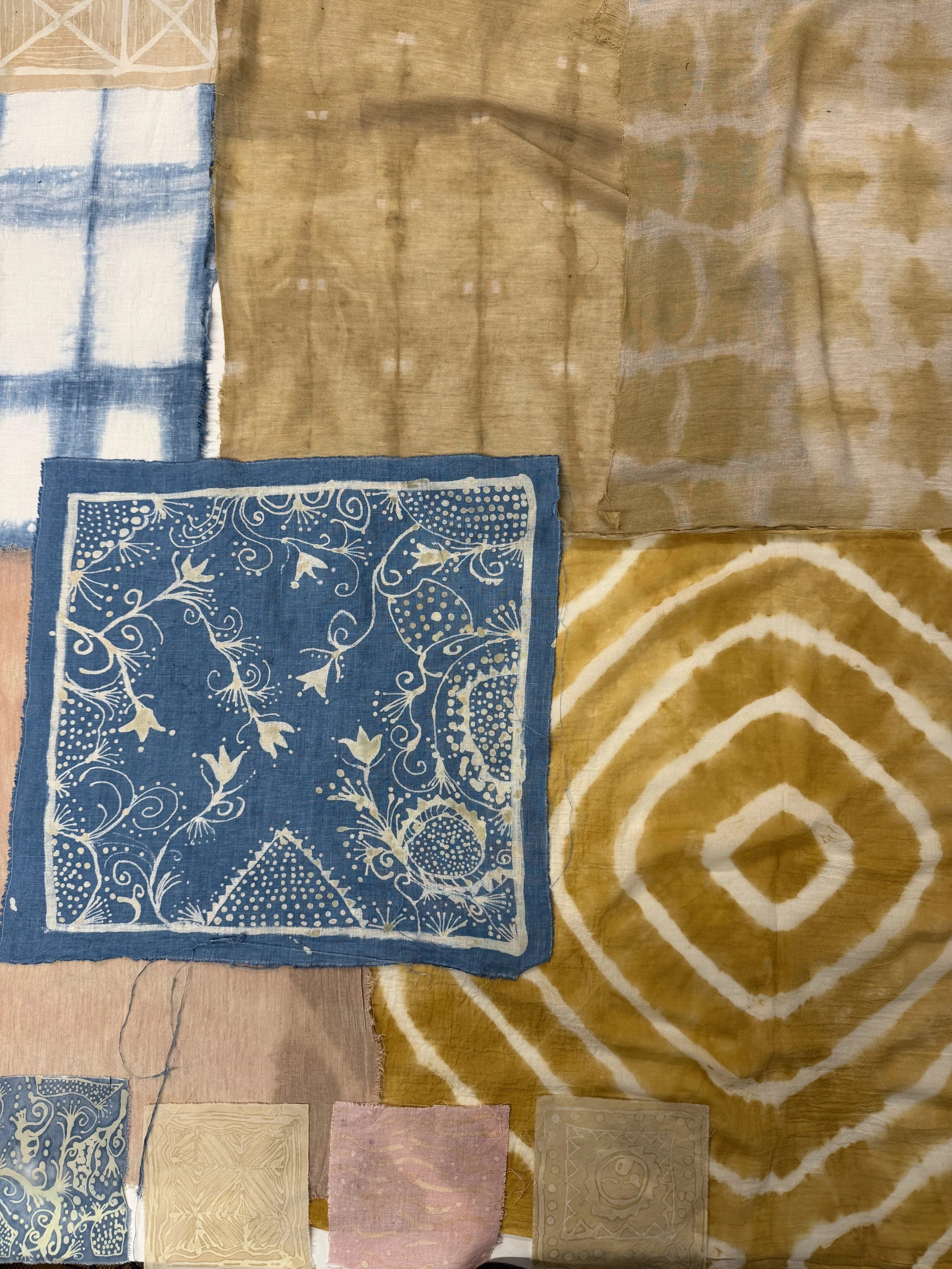
Using small copper tools called tjantings we will draw on fabric. The tjantings hold melted wax in them. The applied wax resists the dyes, therefore wherever we draw, the colour stays the original fabric colour, whereas the rest will be dyed, using natural dyes.
Advanced Natural Dyeing
For those who already understand the foundations of natural dyeing and would like to develop their practice further.
The content can be adapted to your interests and may include more complex colour extraction, overdyeing, modifiers, resist techniques, colour combinations or the creation of a personal sample collection.
A process-led experience
Throughout the class, Christiana shares the reasoning behind every stage—from preparing the textile and choosing the appropriate mordant to understanding the behaviour of individual plants.
You will work slowly, experiment freely and leave with your own naturally dyed textile pieces, along with a deeper understanding of plant-based colour.
Suitable for beginners and experienced makers. The specific class can be selected according to your interests and level of experience.
Prices will depend on the amount of hours you want to take.
Discover how textile can be transform through plants
Step into the world of natural colour and discover how plants, roots, flowers, bark and even food waste can be transformed into beautiful dyes and botanical patterns.
These hands-on private classes are designed to help you understand the natural dyeing process rather than simply follow a set of instructions. We will explore how fibres, plants, mordants and different techniques behave, giving you the knowledge and confidence to continue experimenting and make your own creative choices.
All classes are a mix of theory and practical work.
Depending on your interests and experience, you can choose from different techniques and the amount of hours you would like to take:
Introduction to Natural Dyeing
Minimum 3 hours
A complete introduction to working with plant-based colour. You will learn about preparing fabric, mordanting, extracting colour from plants and understanding how different natural fibres respond to dye.
Bundle Dyeing
Minimum 2.5 hours
Bundle dyeing is a contemporary technique. For this process we use botanical dyes from fresh and dried flowers, leaves, pieces of bark, plant roots and kitchen waste (onion skins, pomegranate skins) to create herbal - infused prints.
The print forms when the plant transfers its colour onto the fabric. This happens with the use of steam. A lot of patterns (abstract or symmetrical) can be created with the use of different rolling and folding styles. The results are very unpredictable and therefore it’s a great opportunity to play and experiment!
It has a bit of theory but mostly it is fun, creative and there’s always an element of surprise.
Shibori
Minimum 2 hours
Explore the Japanese art of shaped-resist dyeing through folding, binding, wrapping and stitching techniques. You will create different patterns by controlling which areas of the fabric are exposed to the dye.
The class combines structure with experimentation, allowing every participant to develop an individual design.
Batik
Minimum 4 hours
Batik is a wax-resist technique that developed in Indonesia.
Using small copper tools called tjantings we will draw on fabric. The tjantings hold melted wax in them. The applied wax resists the dyes, therefore wherever we draw, the colour stays the original fabric colour, whereas the rest will be dyed, using natural dyes.
Advanced Natural Dyeing
For those who already understand the foundations of natural dyeing and would like to develop their practice further.
The content can be adapted to your interests and may include more complex colour extraction, overdyeing, modifiers, resist techniques, colour combinations or the creation of a personal sample collection.
A process-led experience
Throughout the class, Christiana shares the reasoning behind every stage—from preparing the textile and choosing the appropriate mordant to understanding the behaviour of individual plants.
You will work slowly, experiment freely and leave with your own naturally dyed textile pieces, along with a deeper understanding of plant-based colour.
Suitable for beginners and experienced makers. The specific class can be selected according to your interests and level of experience.
Prices will depend on the amount of hours you want to take.

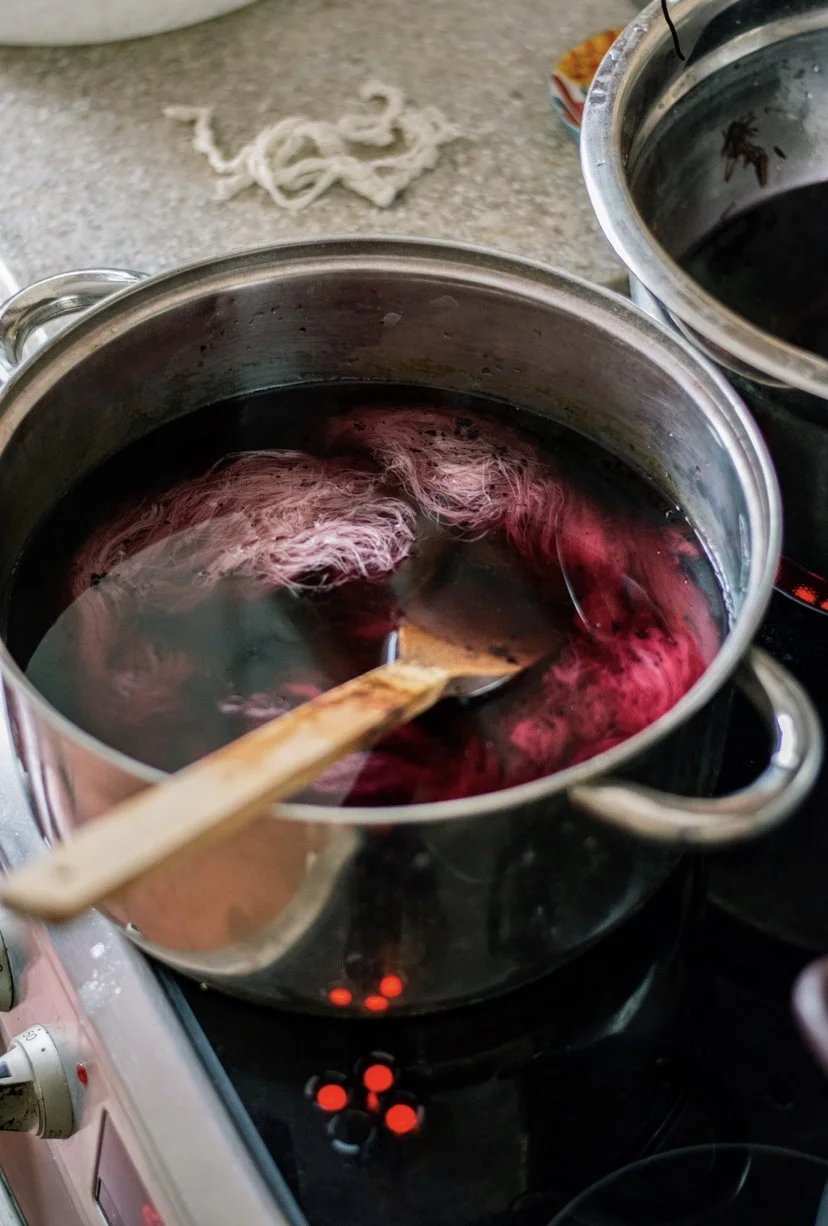 Image 1 of 9
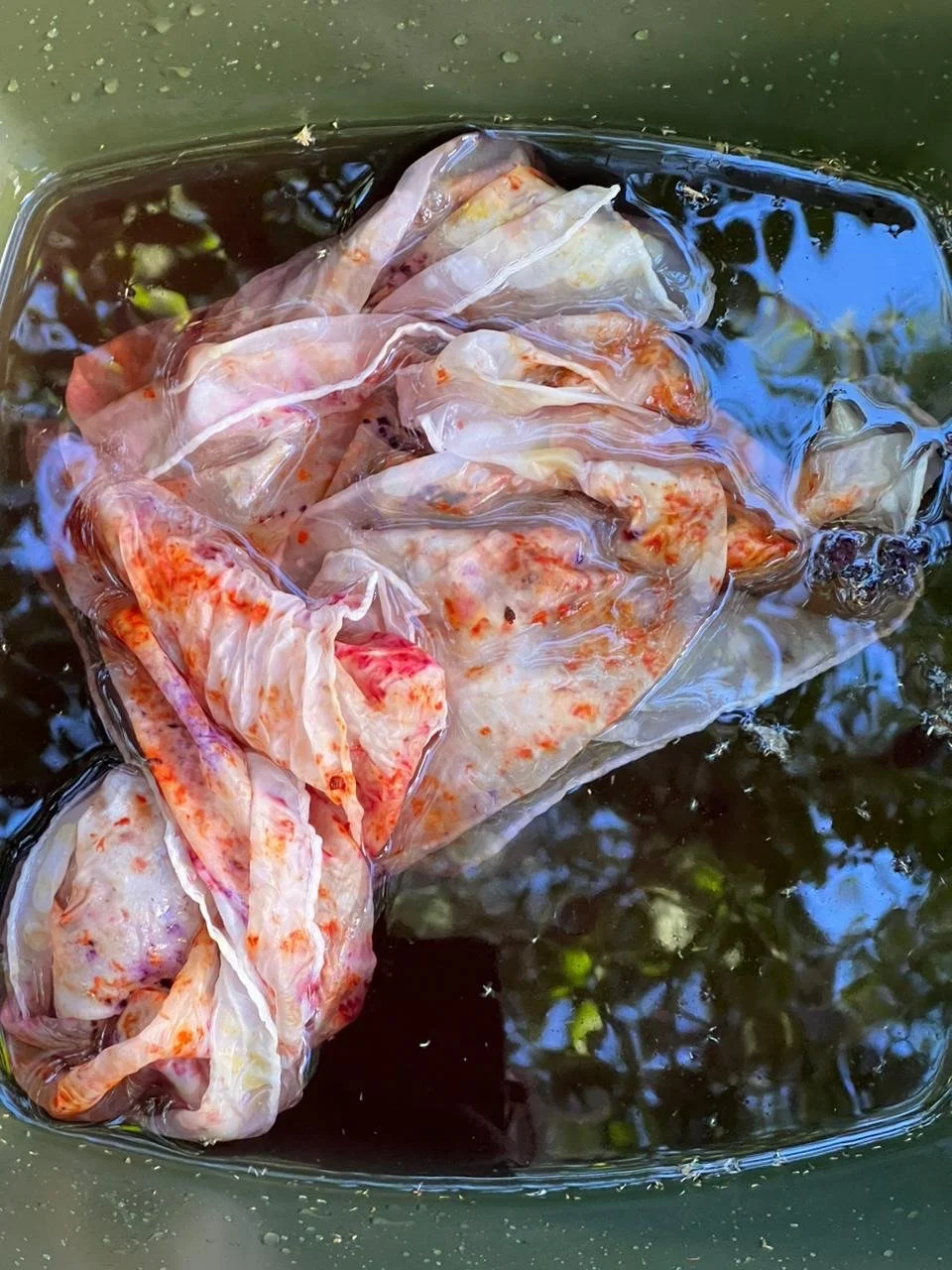 Image 2 of 9
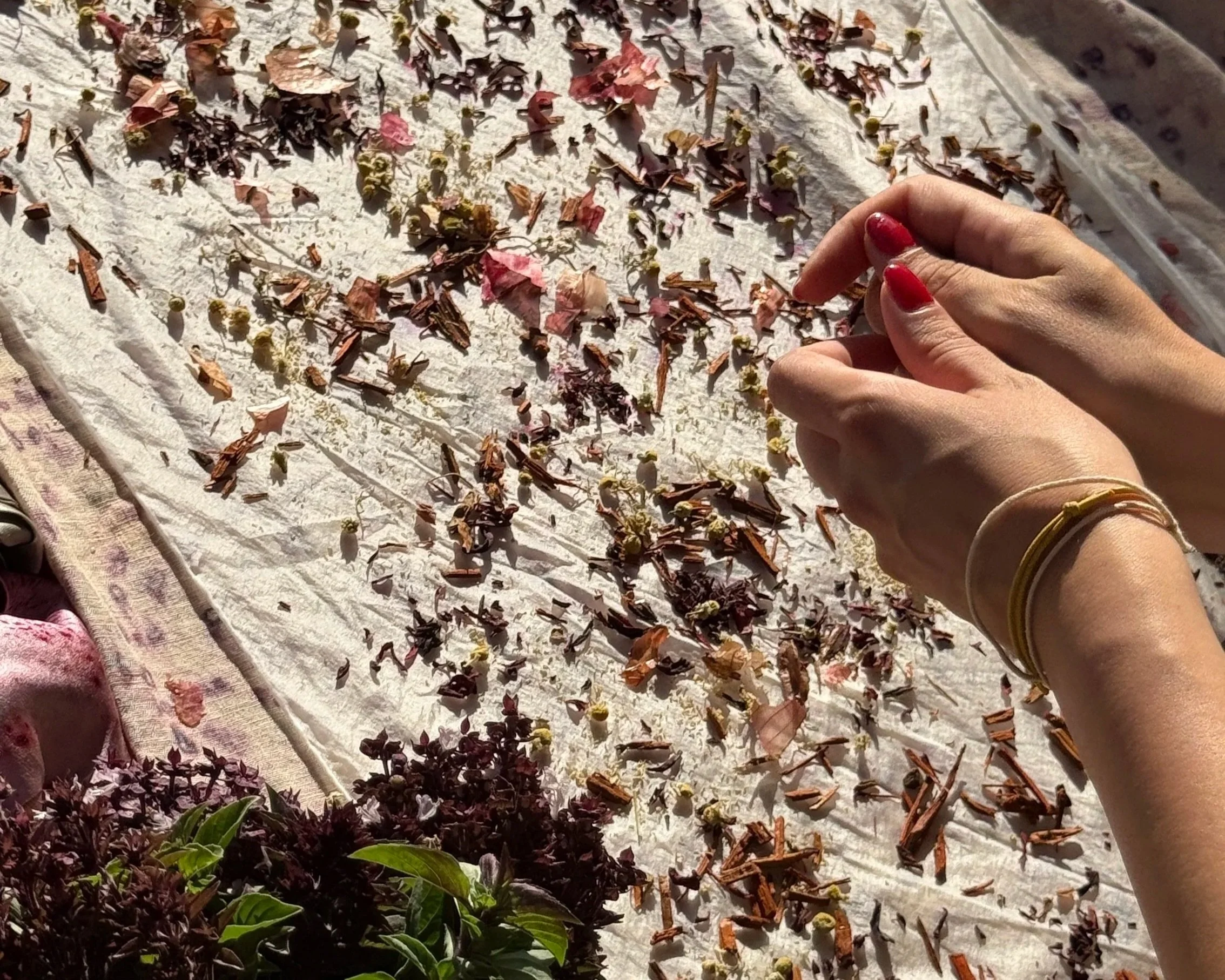 Image 3 of 9
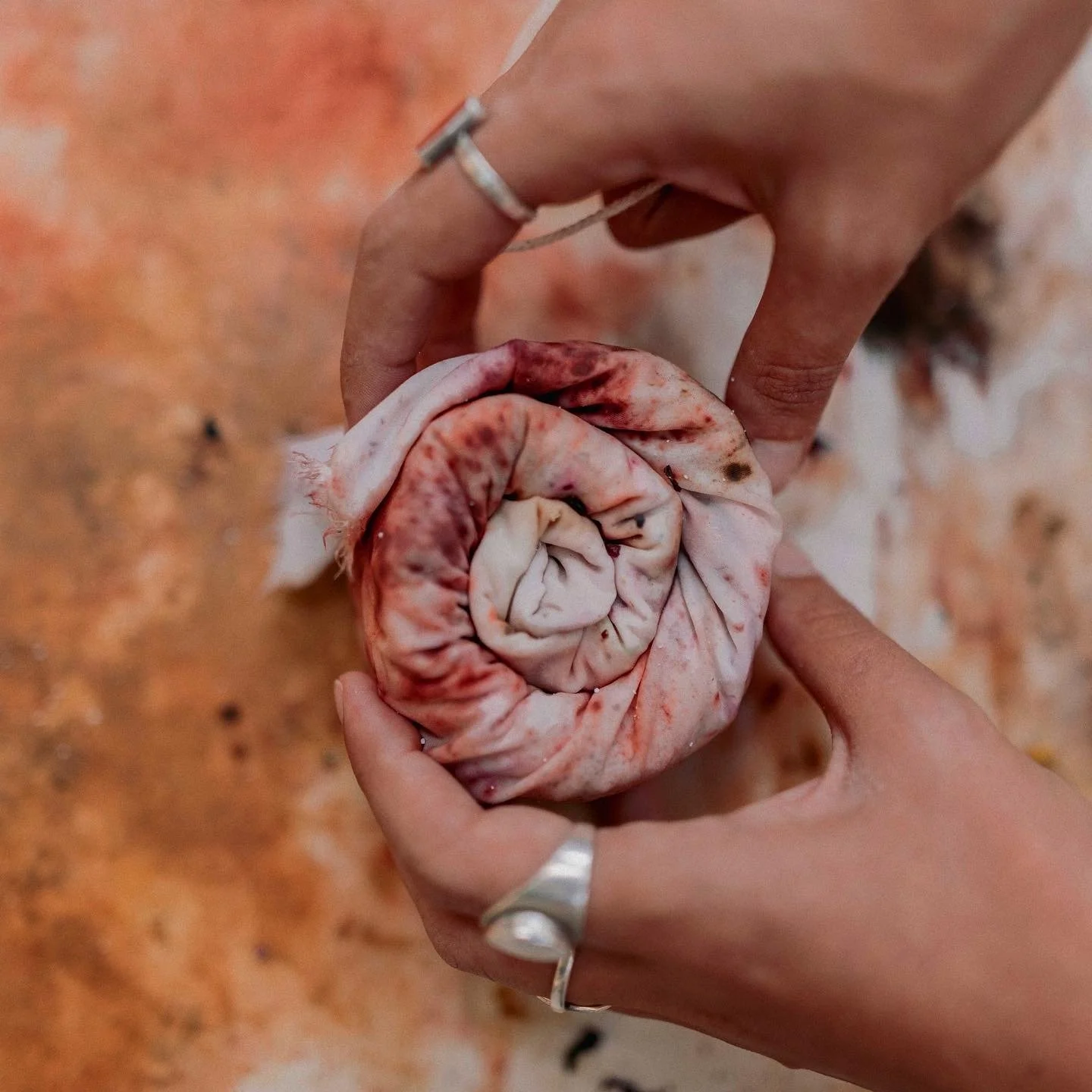 Image 4 of 9
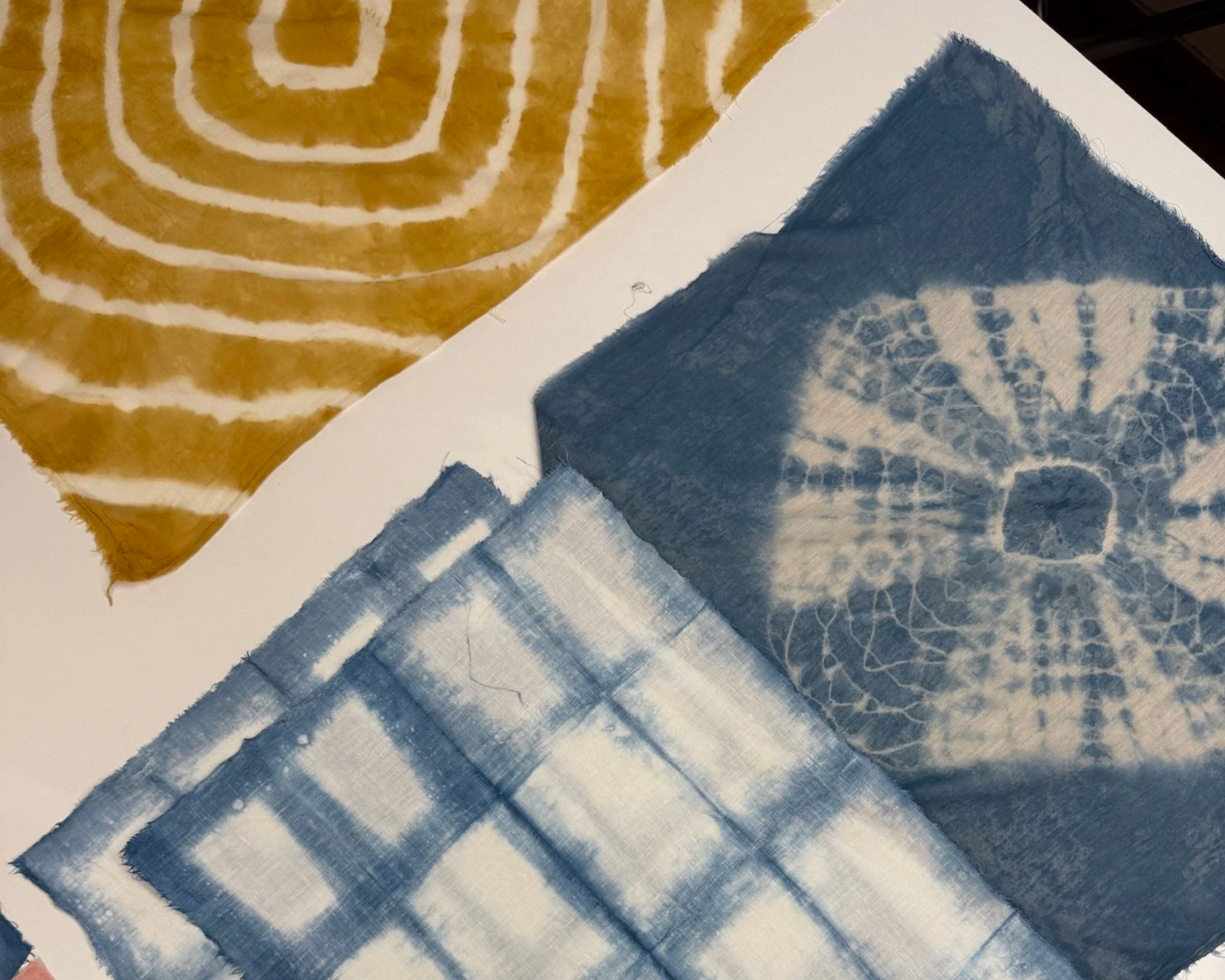 Image 5 of 9
 Image 6 of 9
 Image 7 of 9
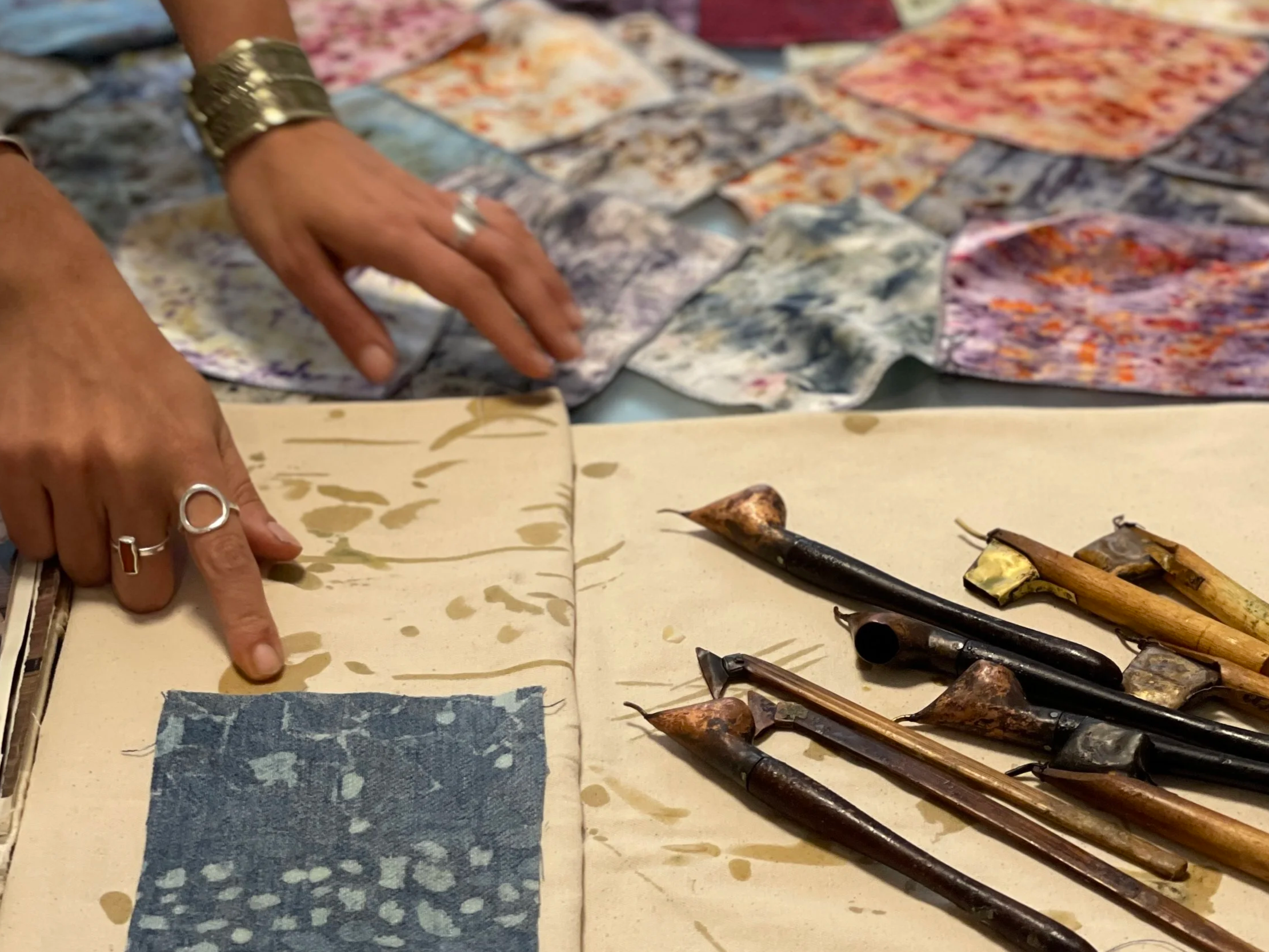 Image 8 of 9
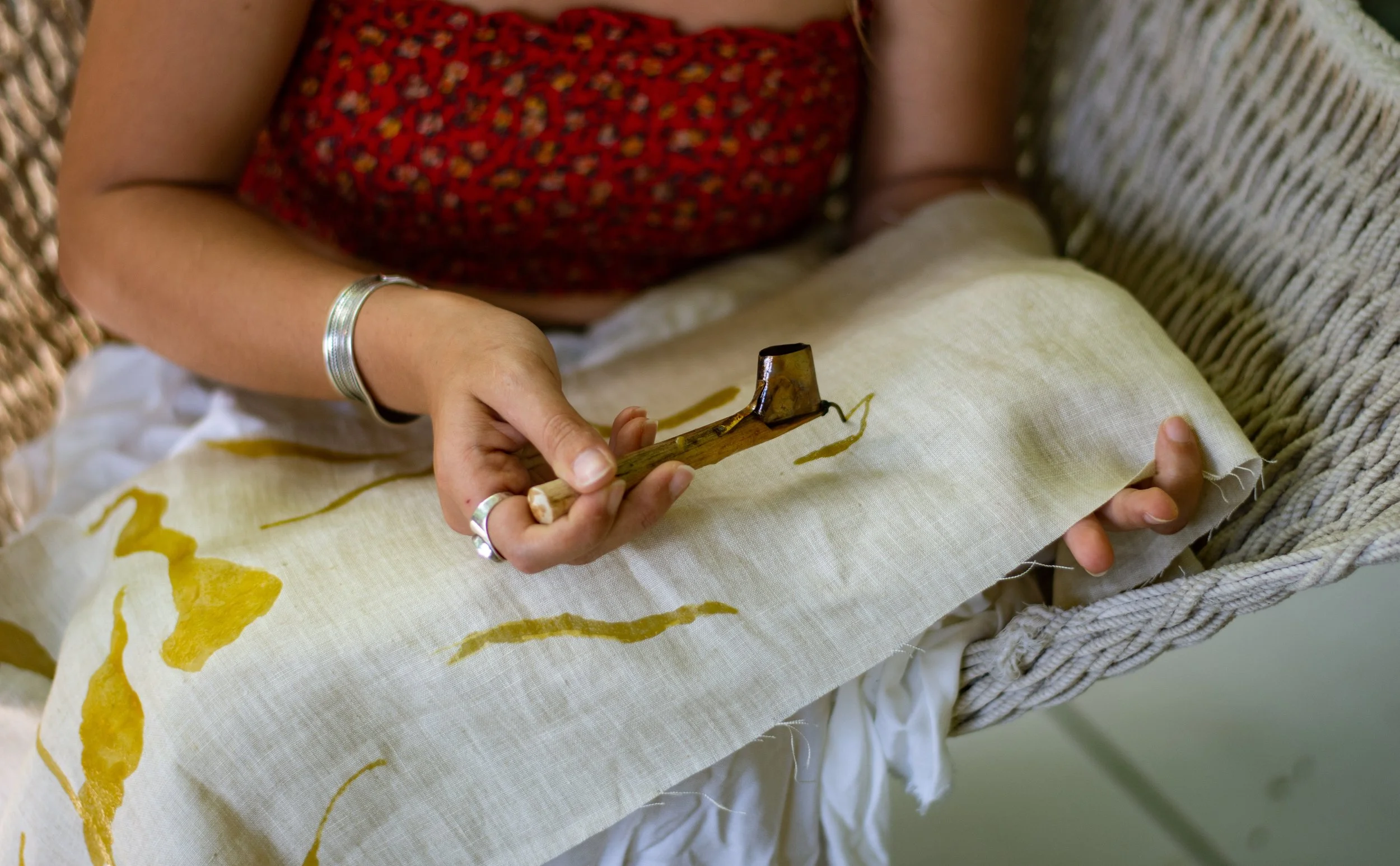 Image 9 of 9