Private Classes
Each piece is selected for those who insist on nuanced craftsmanship.
Embroidery invites us to pay attention—to the movement of the hand, the texture of the fabric and the gradual rhythm of each stitch.
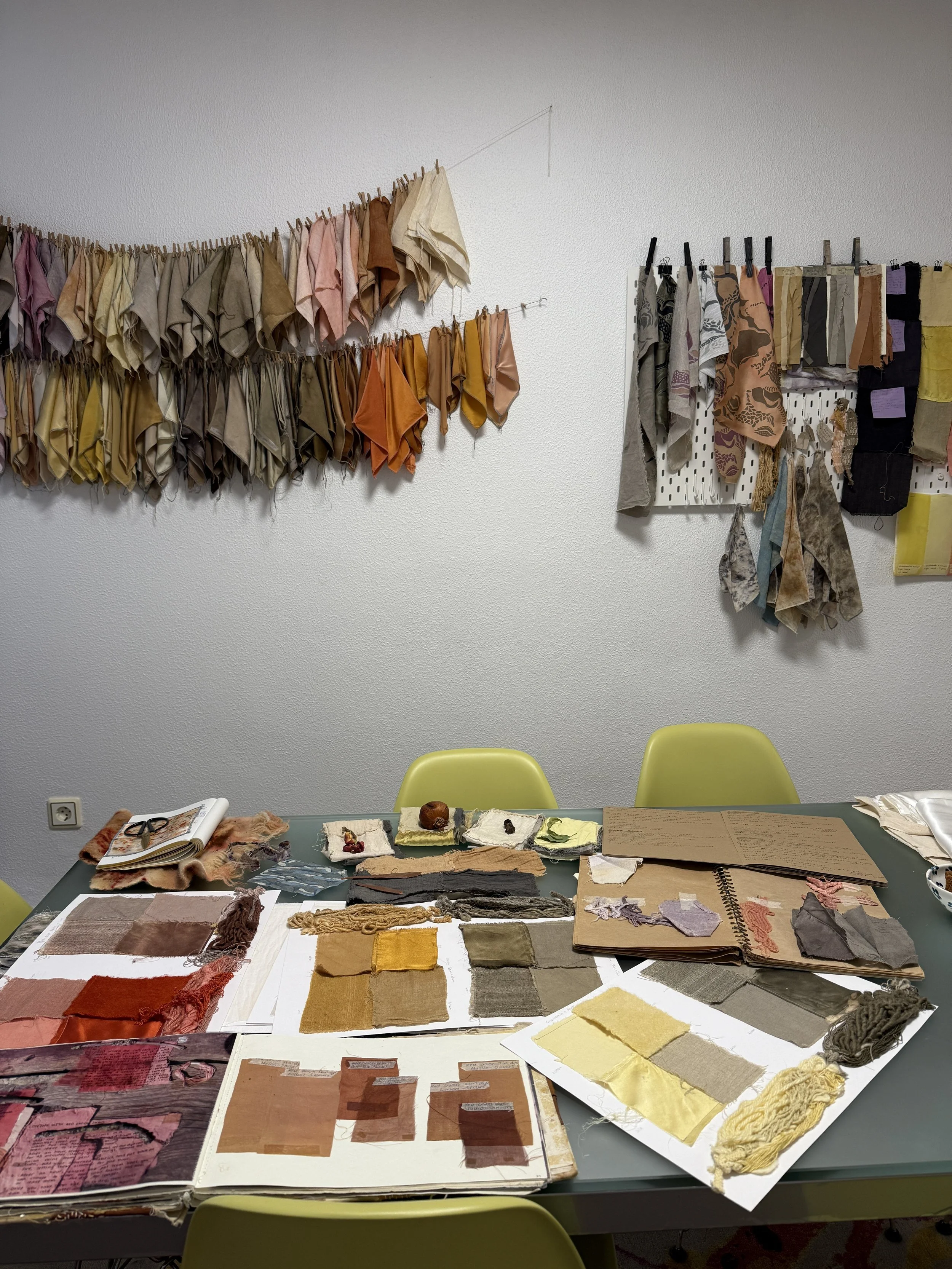
In these classes, we work with naturally dyed linen and cotton fabrics and naturally dyed cotton threads. Their subtle variations in colour become part of the finished work, making every stitched piece personal and completely unique.
The emphasis is not on perfection or following a fixed pattern. Instead, you will learn a selection of techniques and use them as a starting point for experimentation, self-expression and mindful making.
You can choose between:
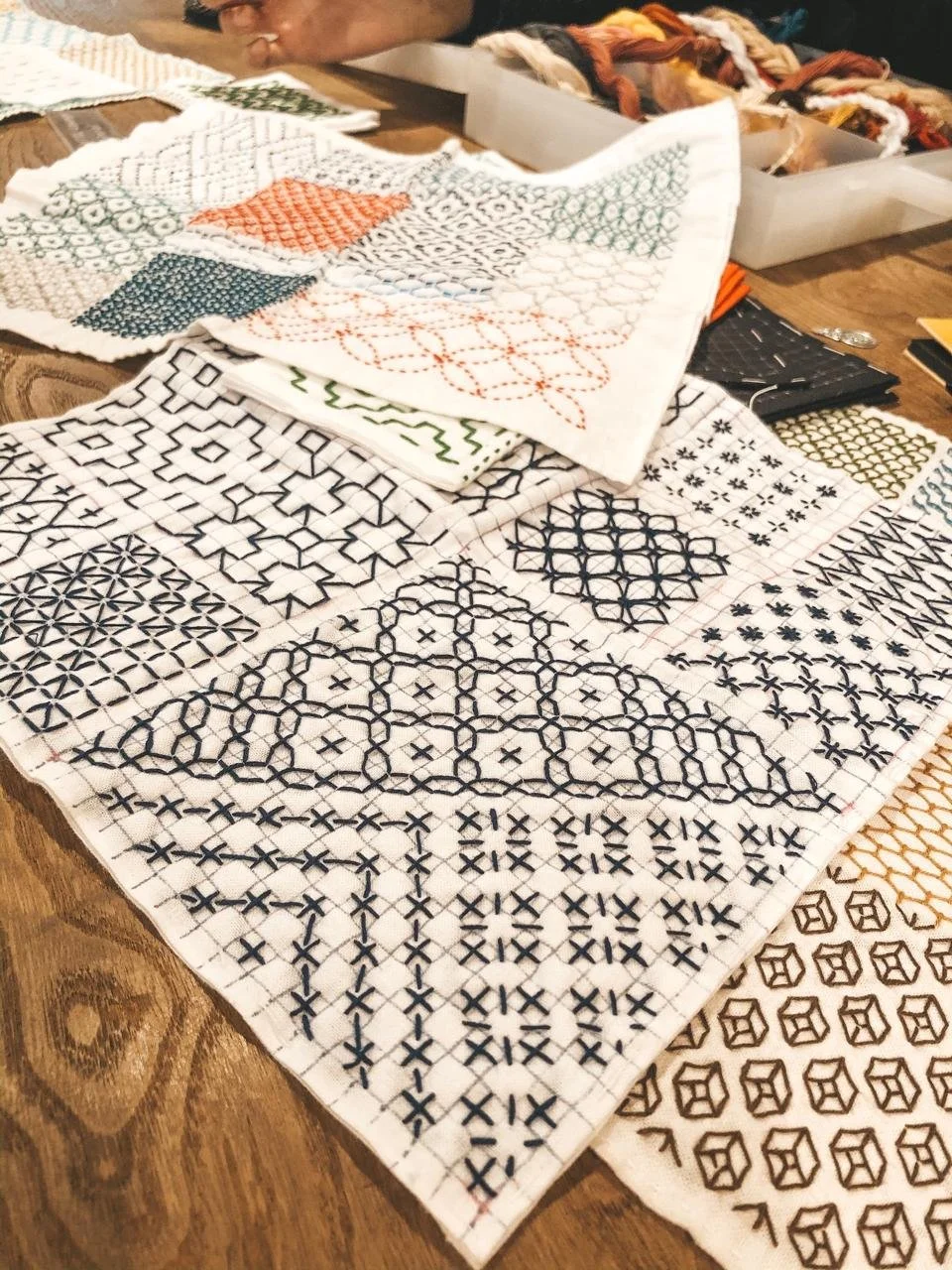
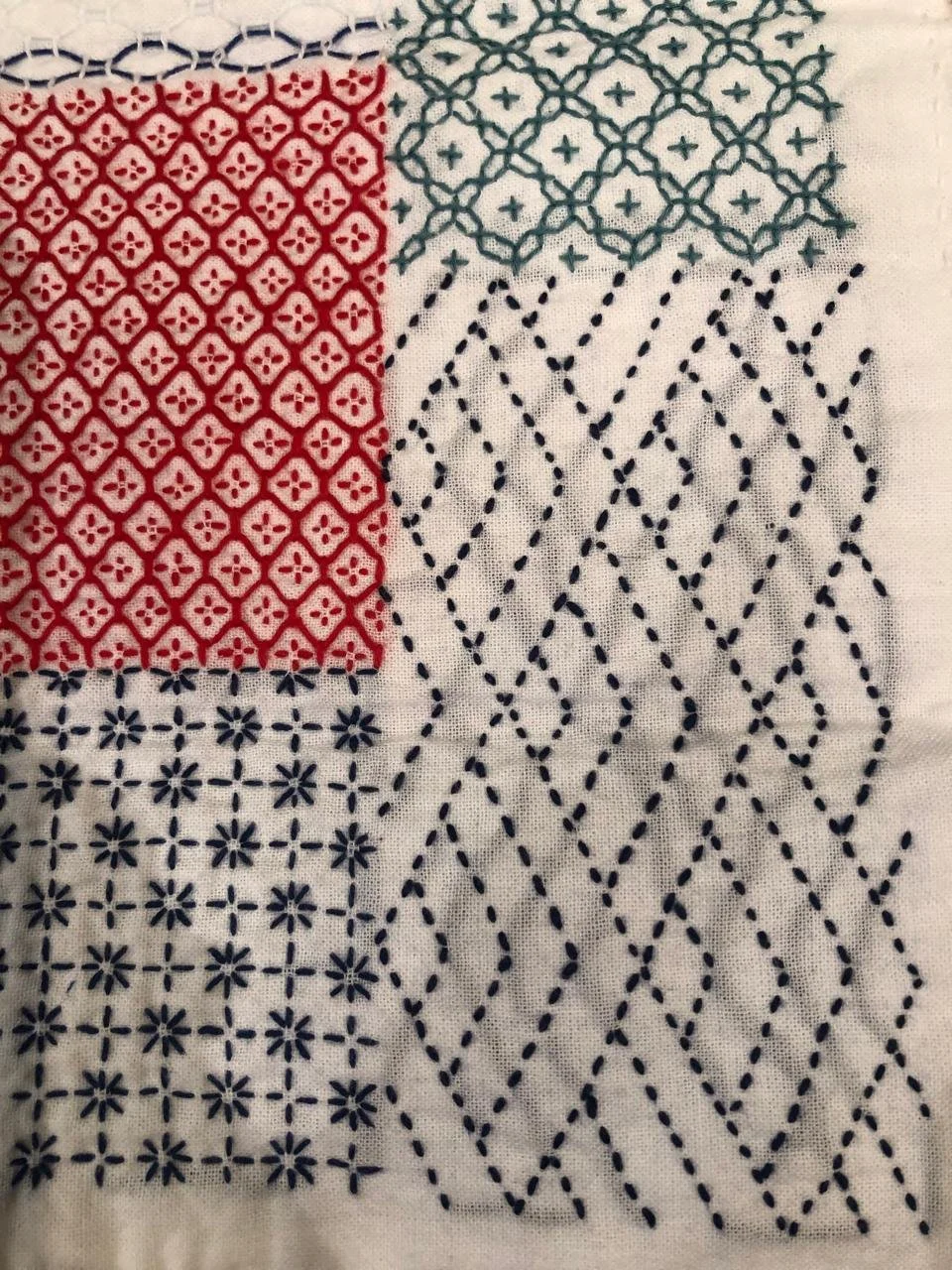
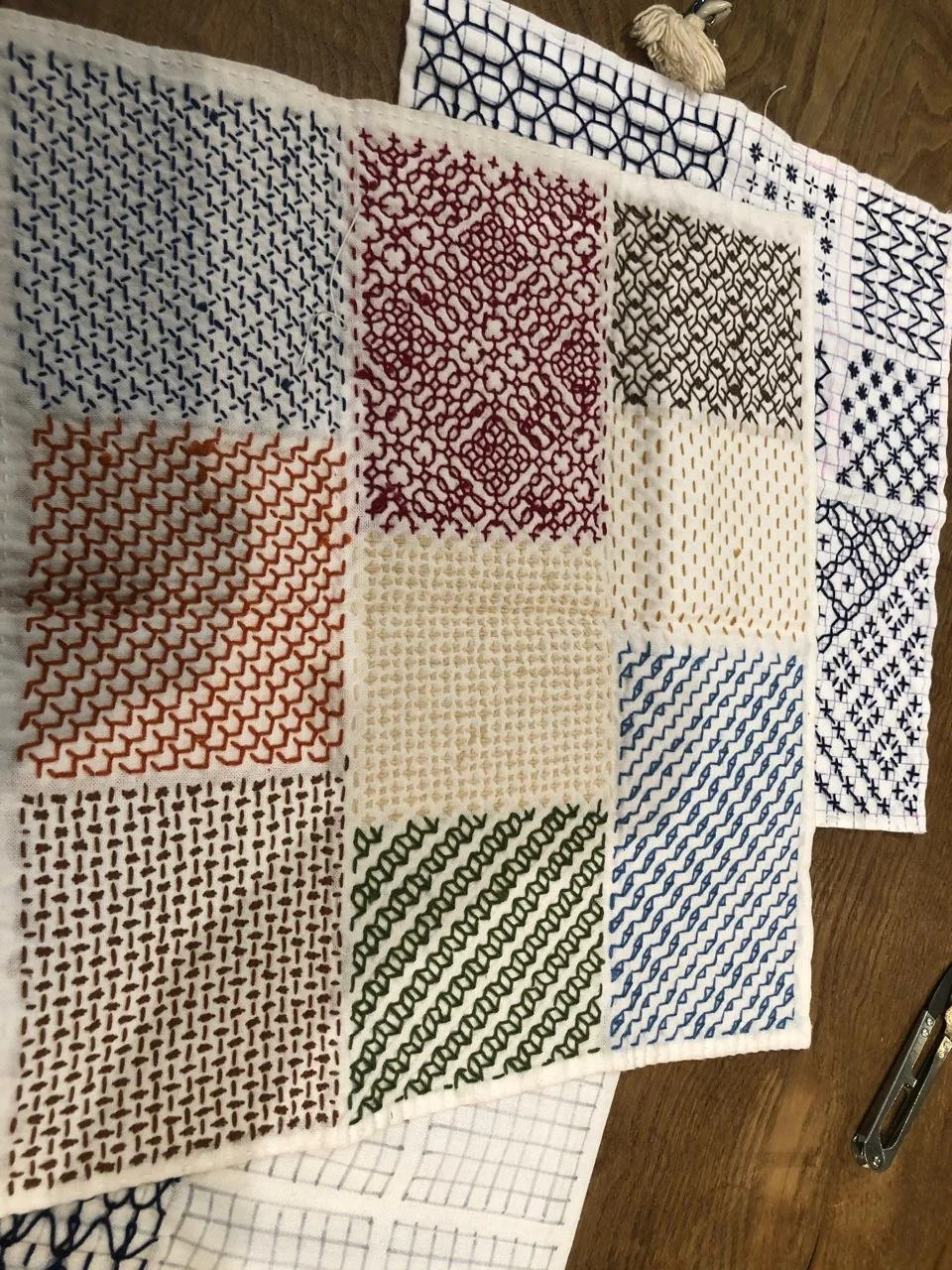
Discover the Japanese stitching tradition of Sashiko, originally developed as a practical method for reinforcing and repairing textiles.
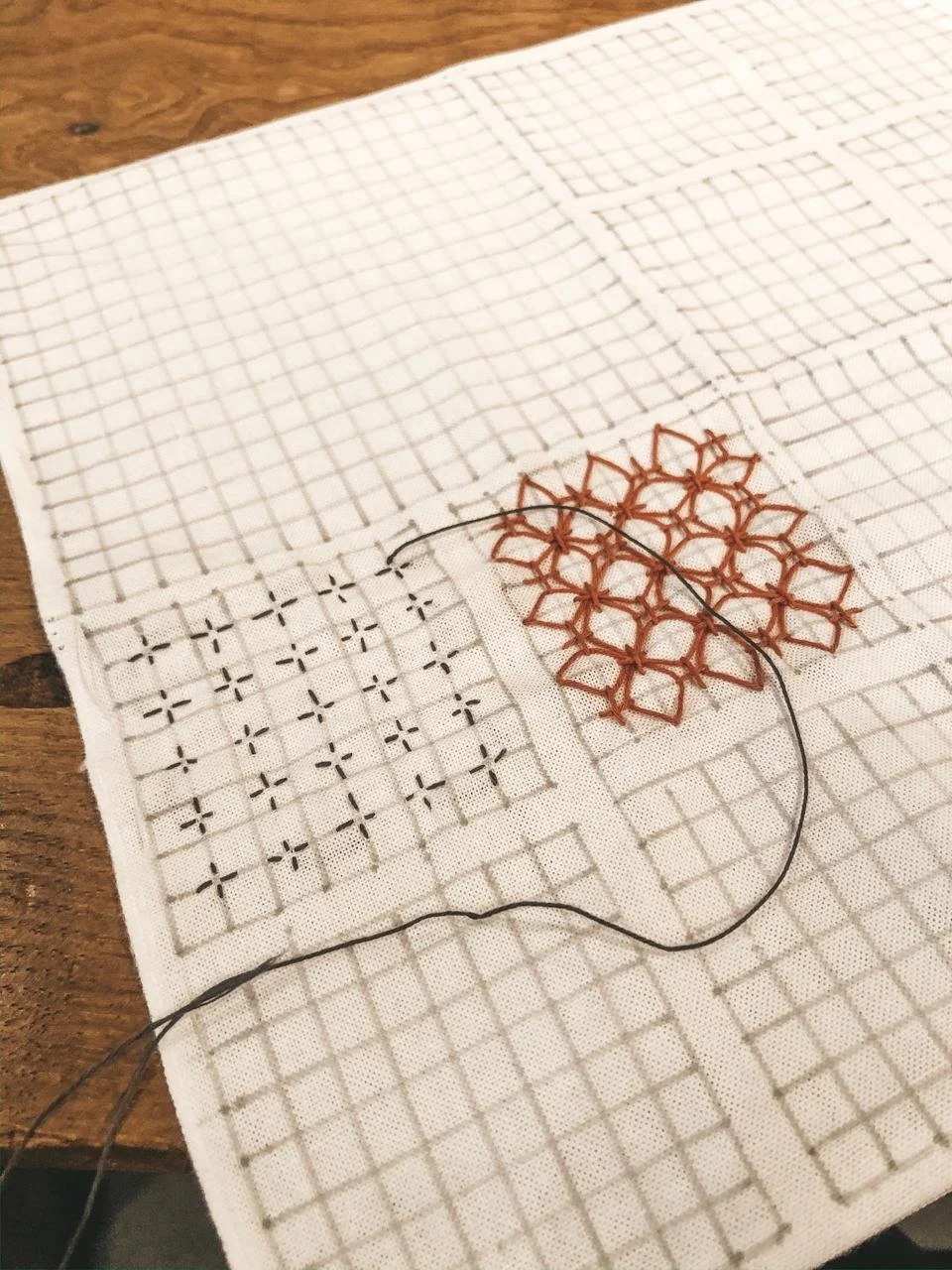
You will learn how to prepare the fabric, create a repeating design and work with the simple running stitch that forms the foundation of the technique. We will also look at the ideas of repetition, repair and visible mending that sit behind this beautiful textile practice.
The class is suitable for beginners as well as participants who would like to develop greater precision and explore more detailed patterns.
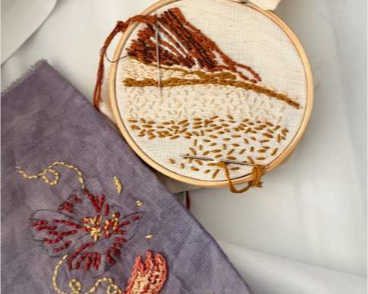
A freer and more meditative approach to hand embroidery.
Using naturally dyed fabric and thread, you will explore simple stitches, layering, composition and texture. There is no predetermined design to reproduce. Instead, you will be encouraged to respond intuitively to the materials and allow your piece to develop gradually.
Slow Stitch is an opportunity to step away from the pace of everyday life, work with your hands and create something personal without the pressure of achieving a perfect result.
Both classes are suitable for complete beginners, while those with previous embroidery experience are welcome to develop a more individual project.
Prices will depend on the amount of hours you want to take.
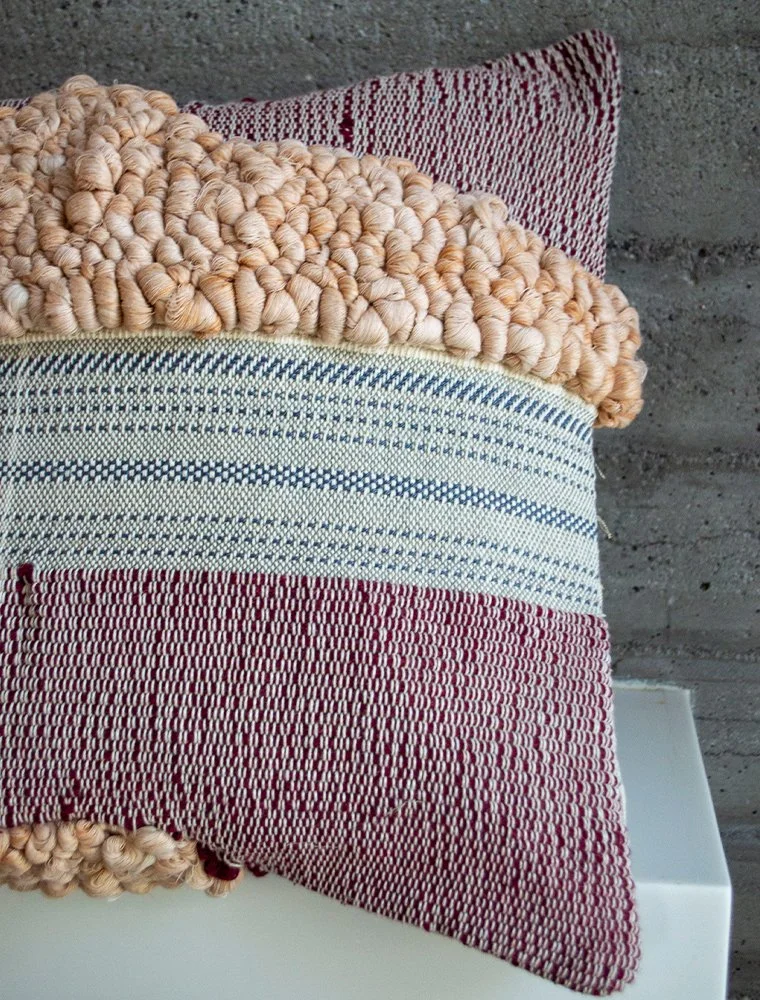
Weaving is a slow and tactile process in which individual threads gradually come together to form a textile. This class offers the time and space to understand that process, work with colour and texture, and experience the quiet rhythm of making by hand.
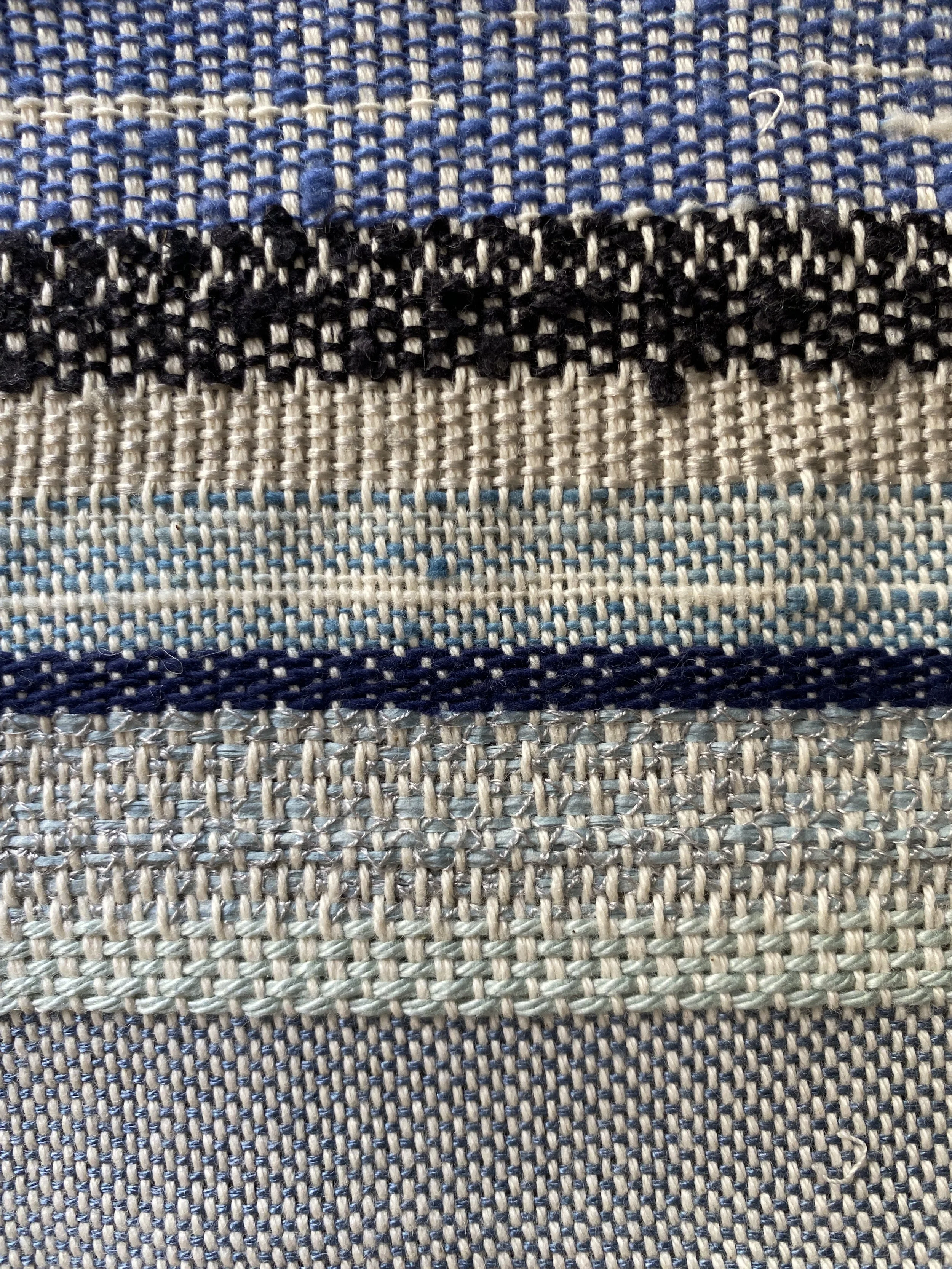
Rather than focusing only on completing a finished piece, the class encourages you to understand how a woven structure is created. You will explore the relationship between warp and weft, experiment with different yarns and learn how small changes in material, colour and tension can transform the surface of a textile.
Depending on your previous experience, you can choose between:
An introduction to the foundations of weaving, suitable for anyone approaching the loom for the first time.
You will learn how a woven textile is constructed, how to work with warp and weft threads and how to begin creating simple patterns, colour combinations and textures.
The focus is on learning at a comfortable pace and becoming confident with the basic movements of weaving.
Designed for participants who already have some weaving experience and would like to develop their skills or explore a particular idea in greater depth.
The class can focus on more complex structures, pattern development, colour planning, texture or the creation of a personal woven sample or project. Christiana will adapt the session to your existing knowledge and creative direction.
Prices will depend on the amount of hours you want to take.
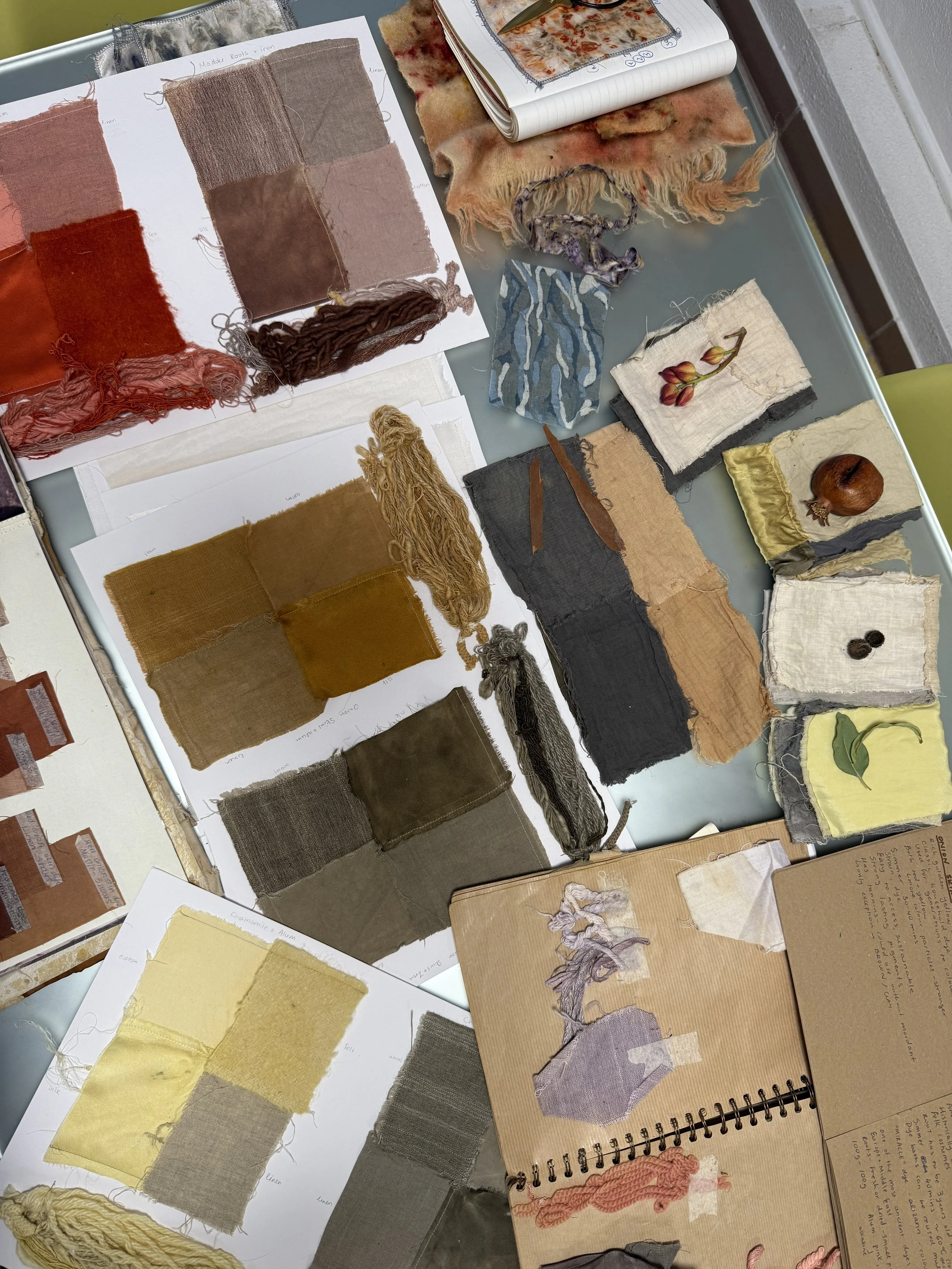
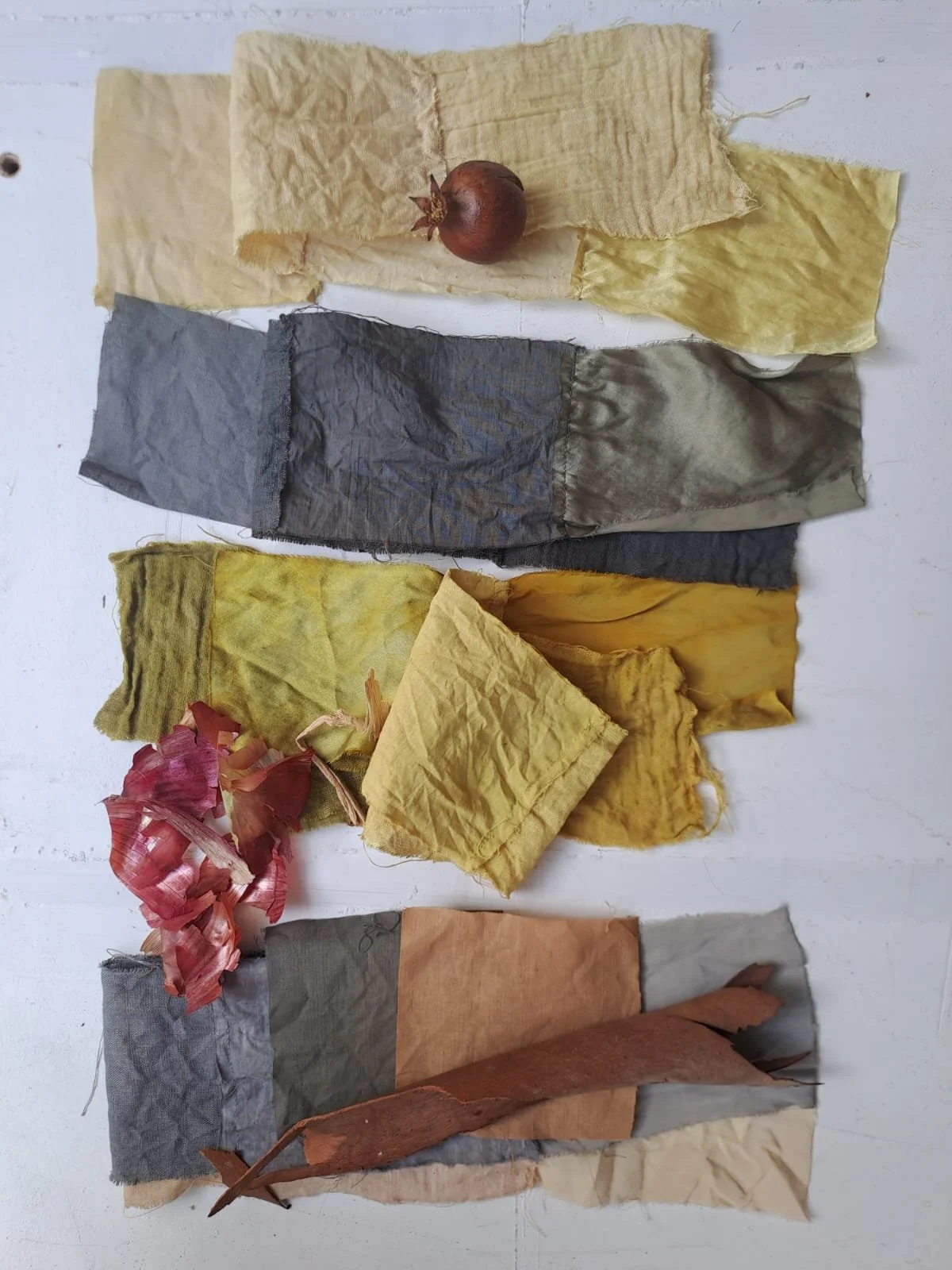
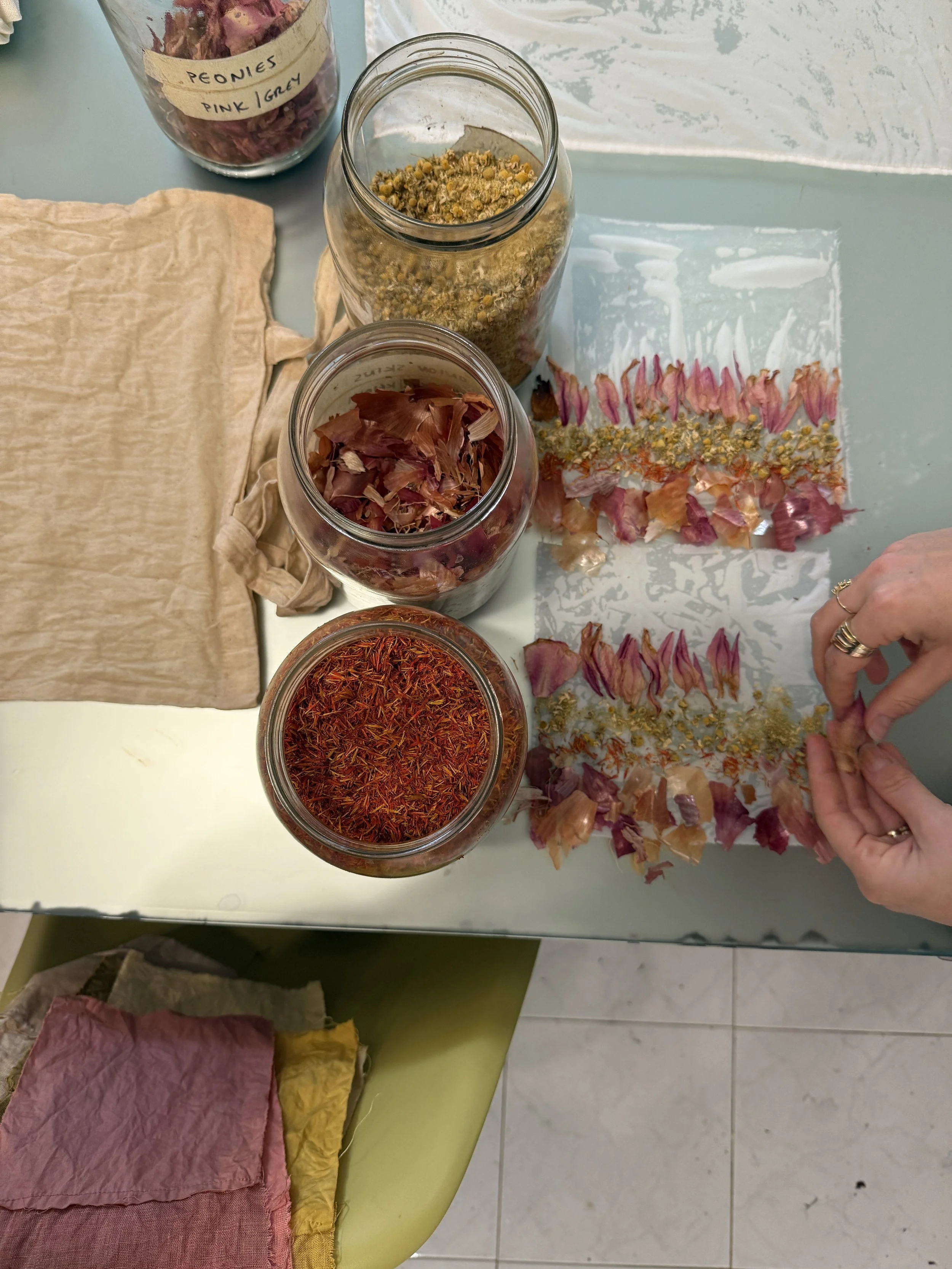
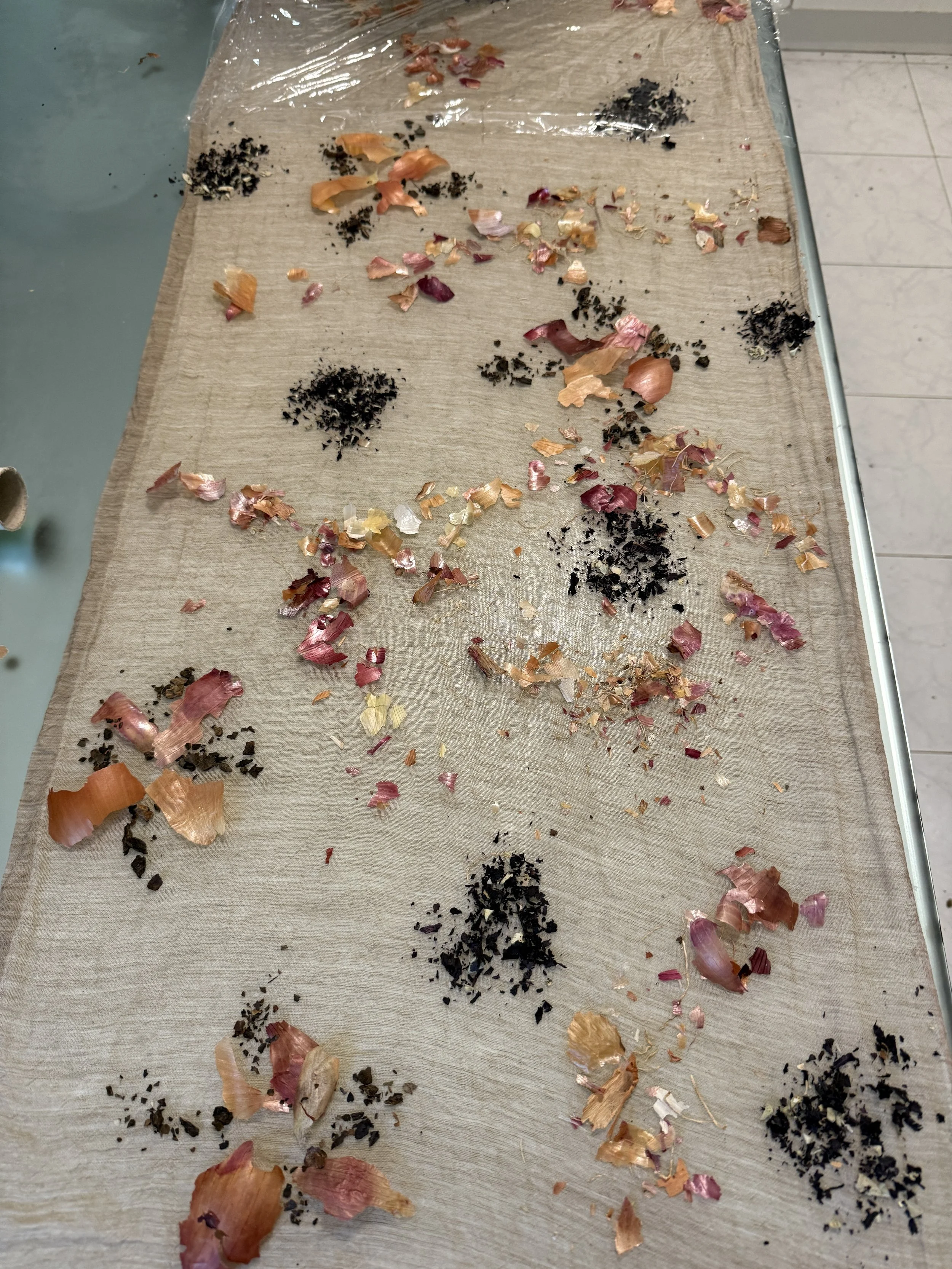
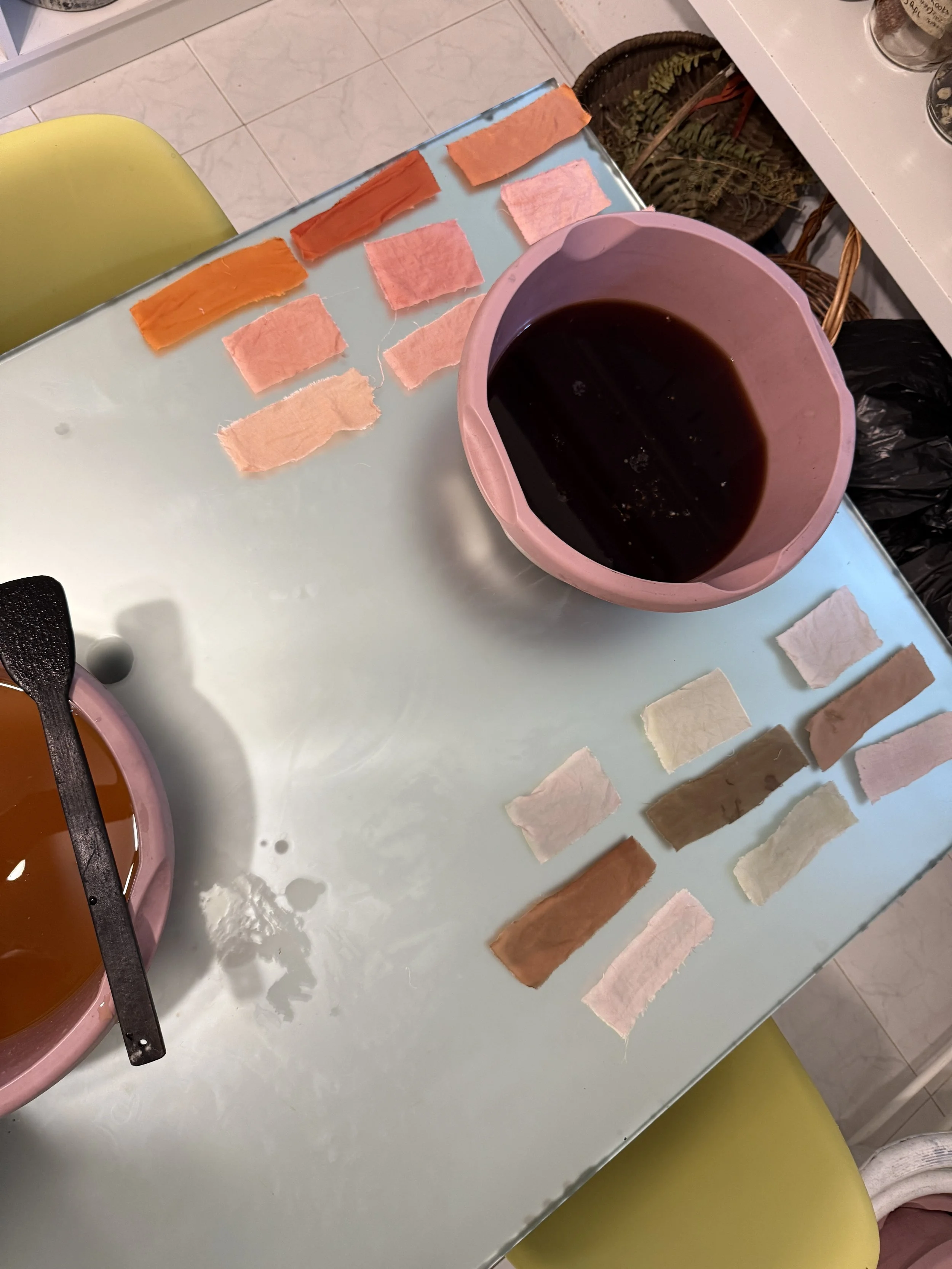
Step into the world of natural colour and discover how plants, roots, flowers, bark and even food waste can be transformed into beautiful dyes and botanical patterns.
These hands-on private classes are designed to help you understand the natural dyeing process rather than simply follow a set of instructions. We will explore how fibres, plants, mordants and different techniques behave, giving you the knowledge and confidence to continue experimenting and make your own creative choices.
All classes are a mix of theory and practical work.
Depending on your interests and experience, you can choose from different techniques and the amount of hours you would like to take:
Minimum 3 hours
What you will learn:
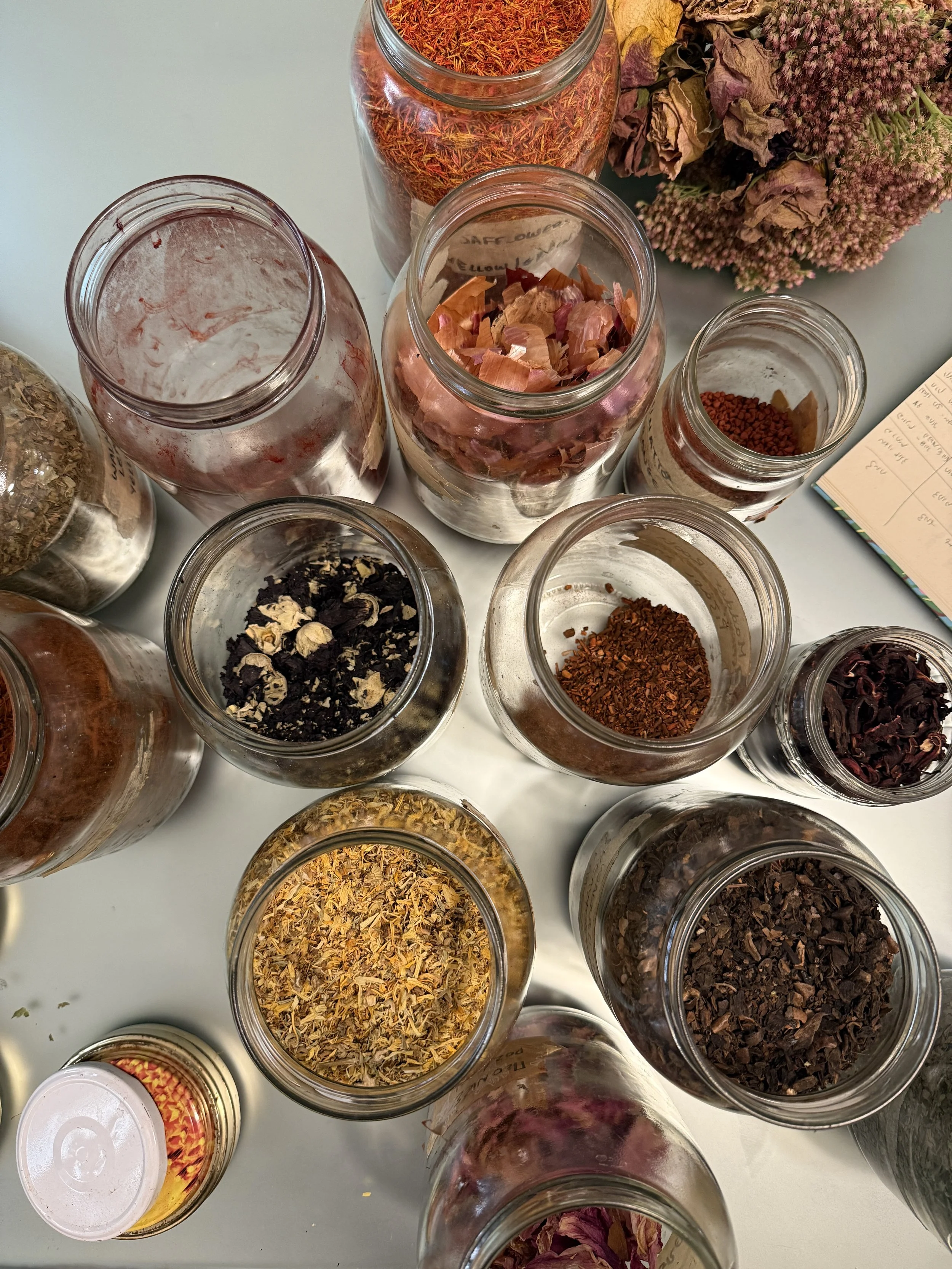
In this hands-on workshop, you’ll explore the world of natural dyeing using a variety of plants and materials. You’ll learn how to create stunning colors from everyday botanical ingredients, including flowers, roots, kitchen scraps, and plants found in nature.
Minimum 2.5 hours
What you will learn:
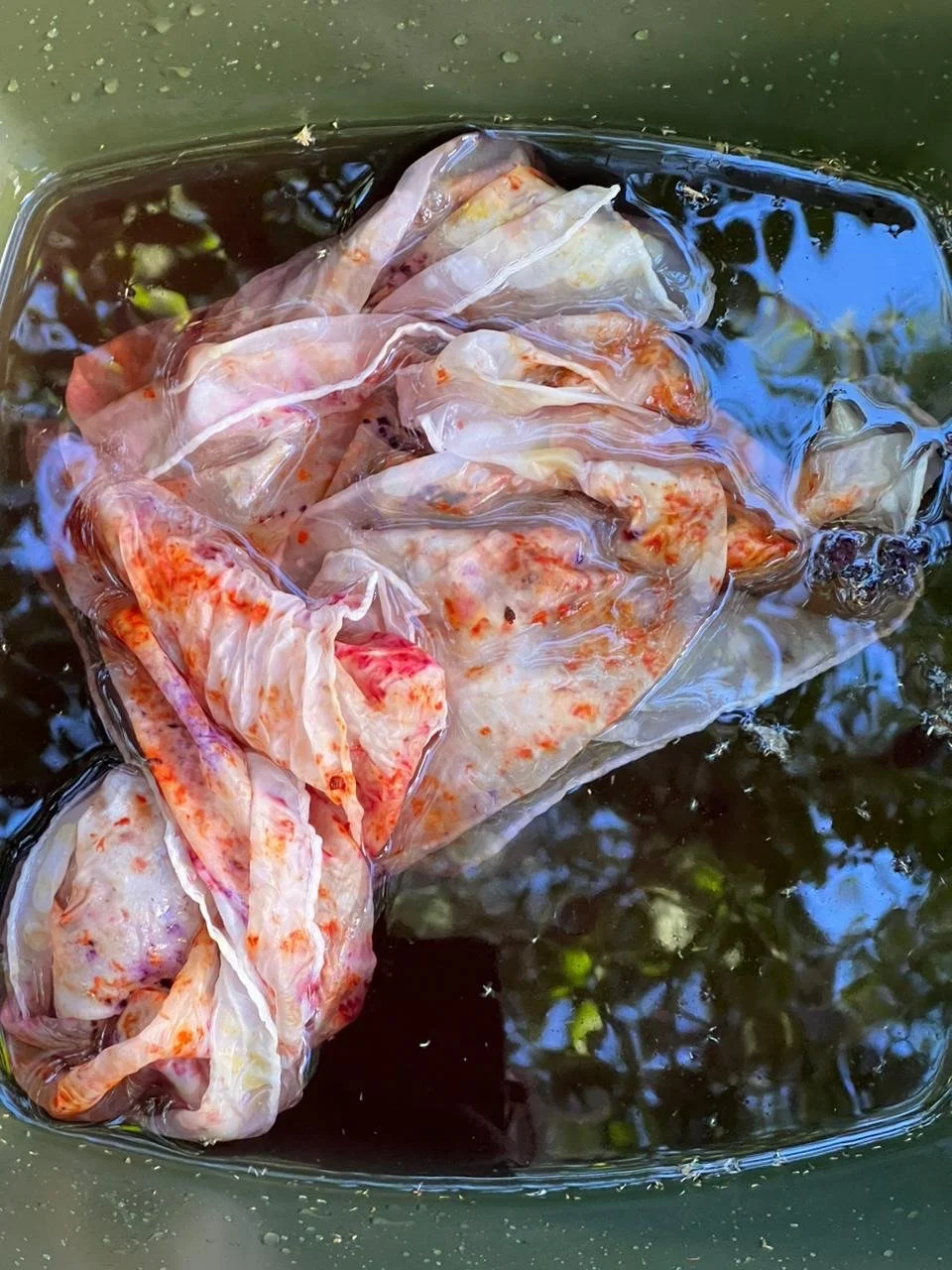
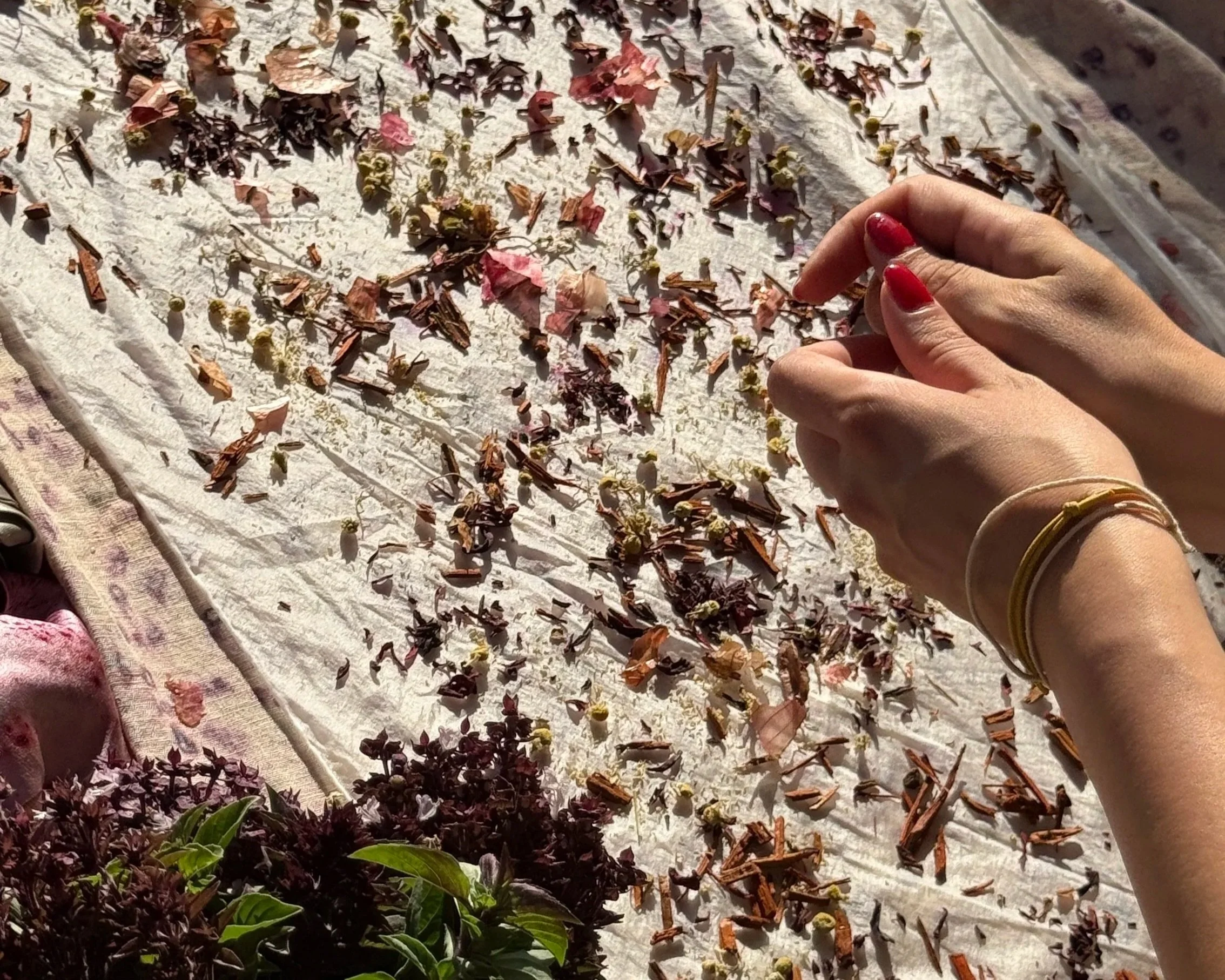
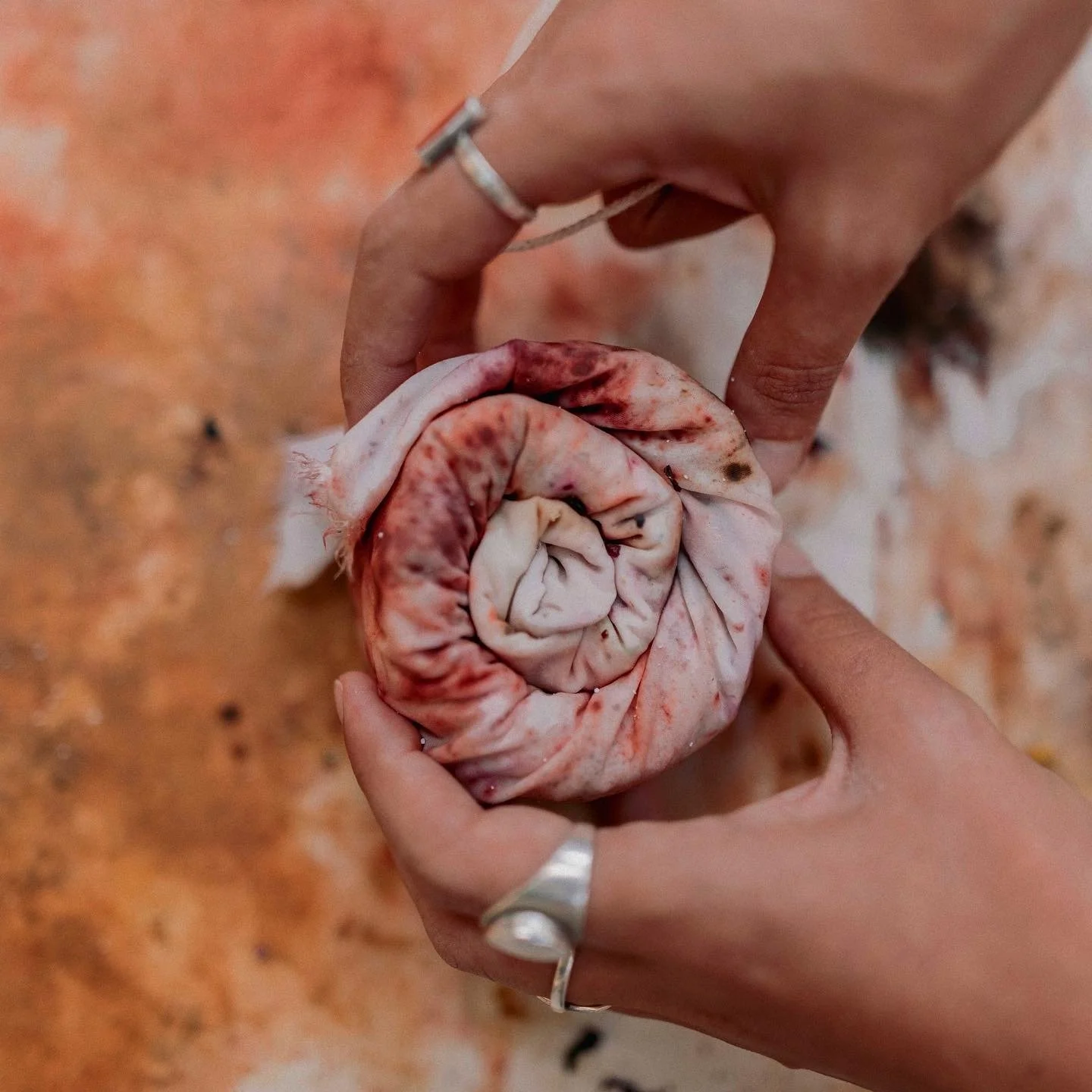
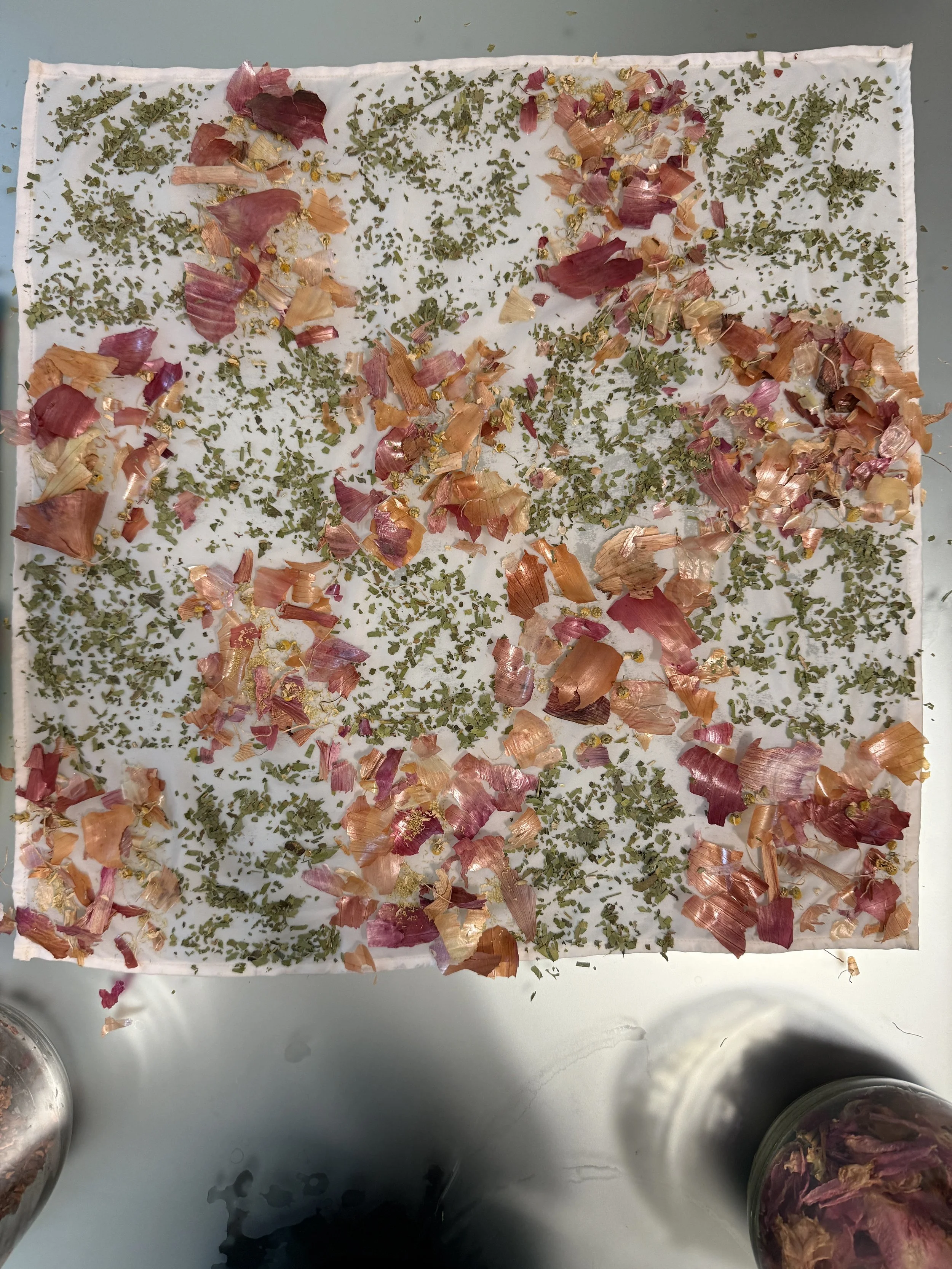
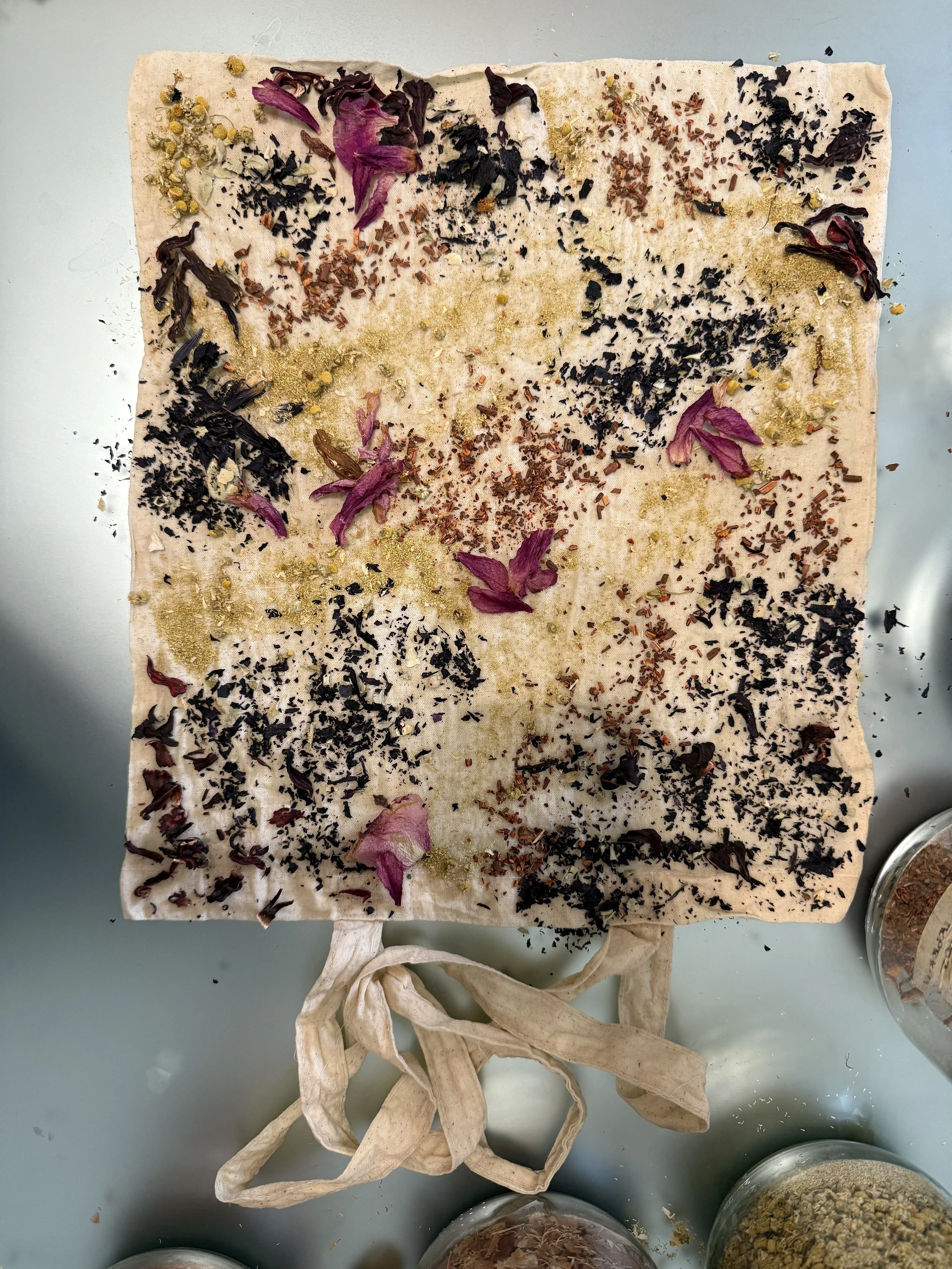
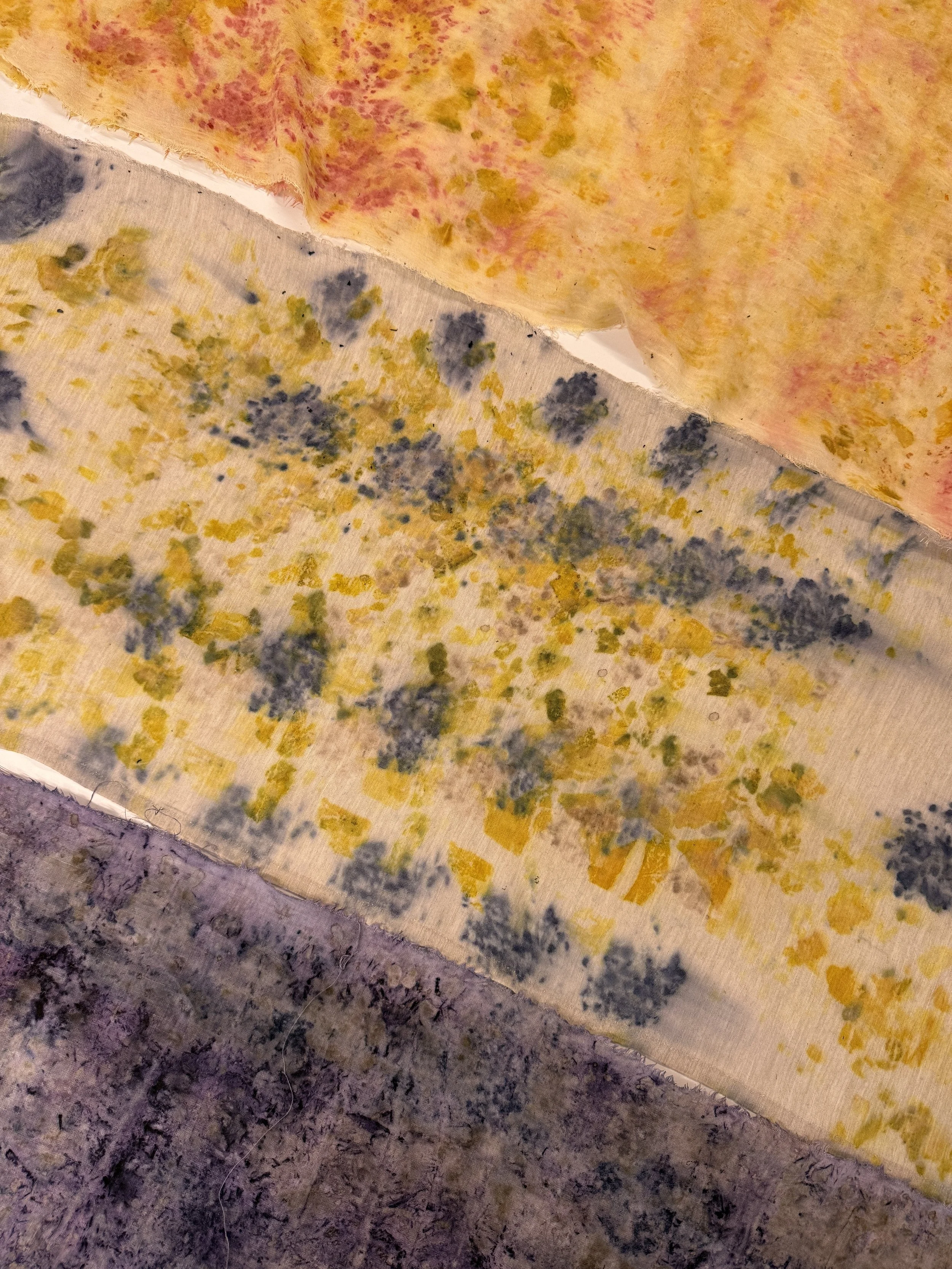
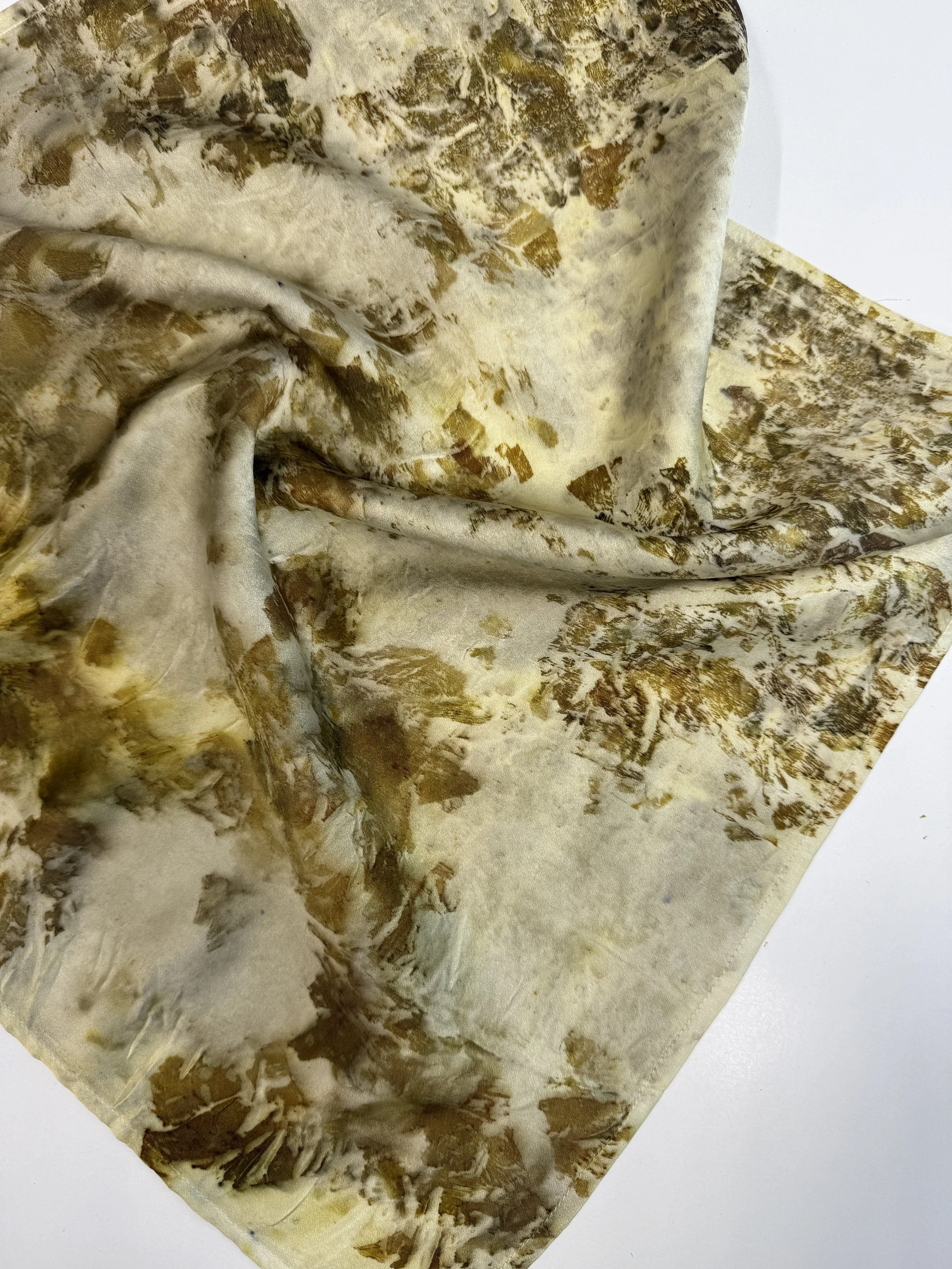
In this workshop, you’ll dive into the fascinating world of bundle dyeing, a contemporary technique first developed by India Flint in Australia. This method uses fresh flowers, leaves, and other plant materials to create botanical prints on fabric. When the plants are steamed, their natural colours transfer onto the fabric, forming unique and beautiful herbal-infused patterns.
Minimum 2 hours
What You Will Learn:
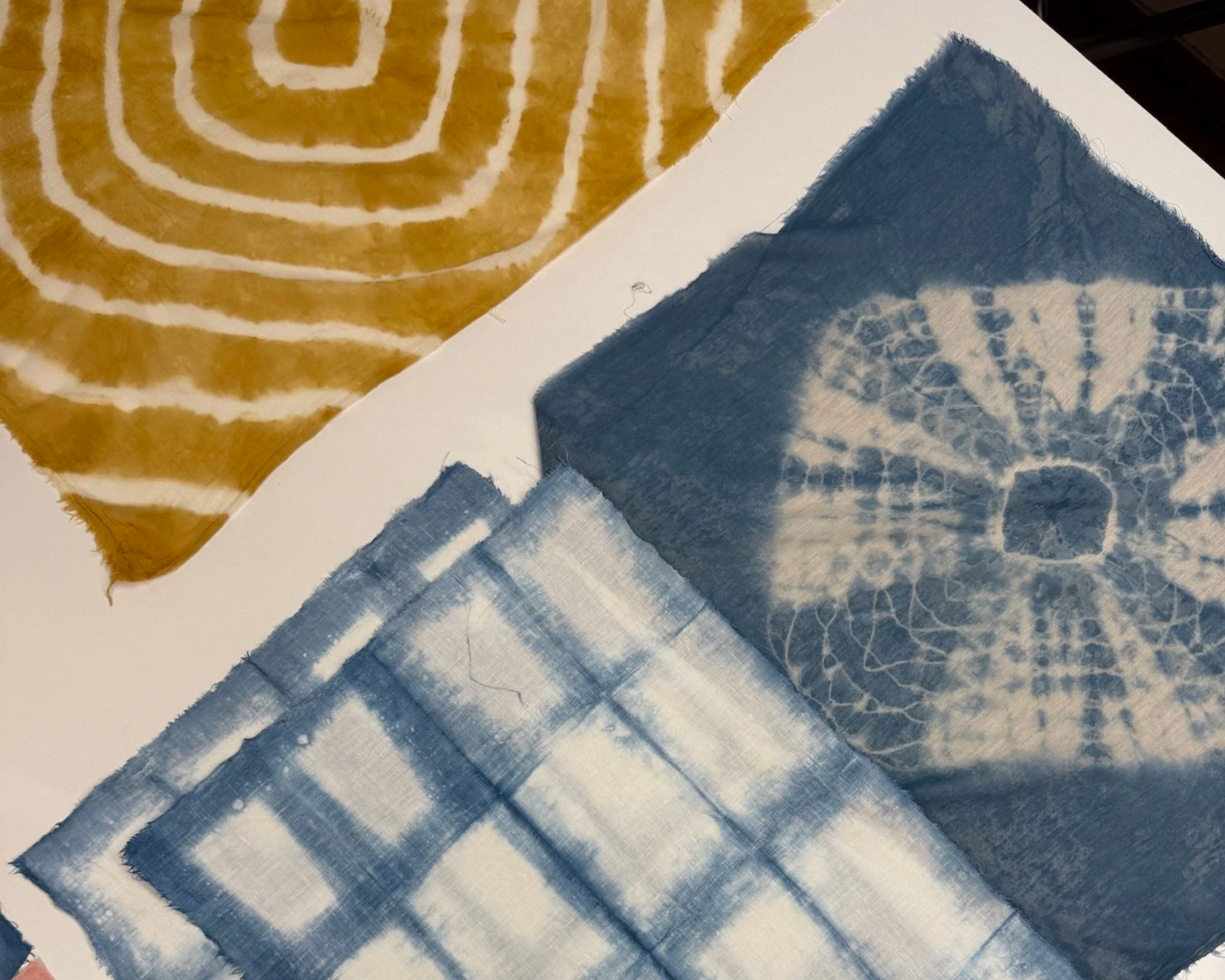
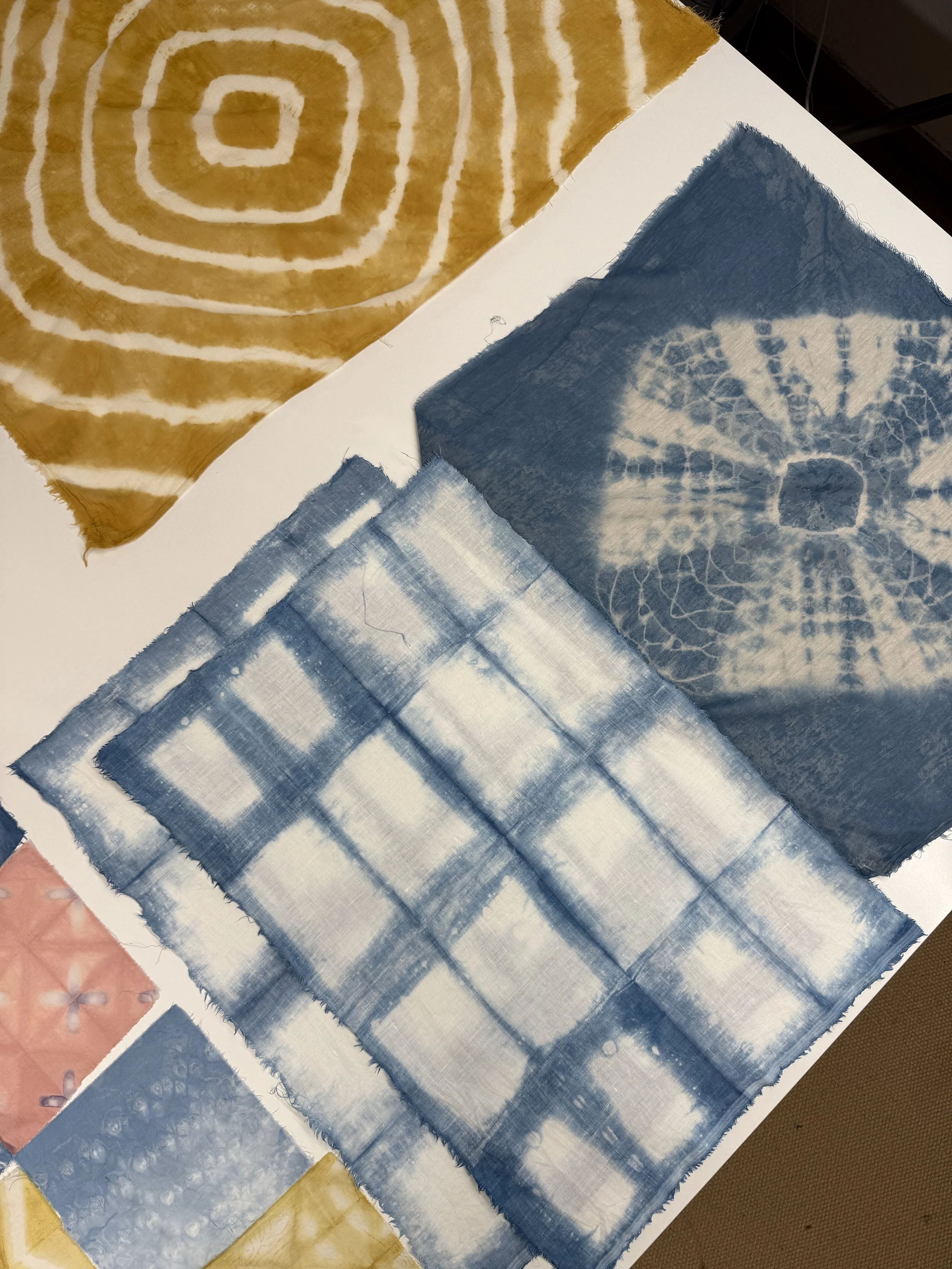
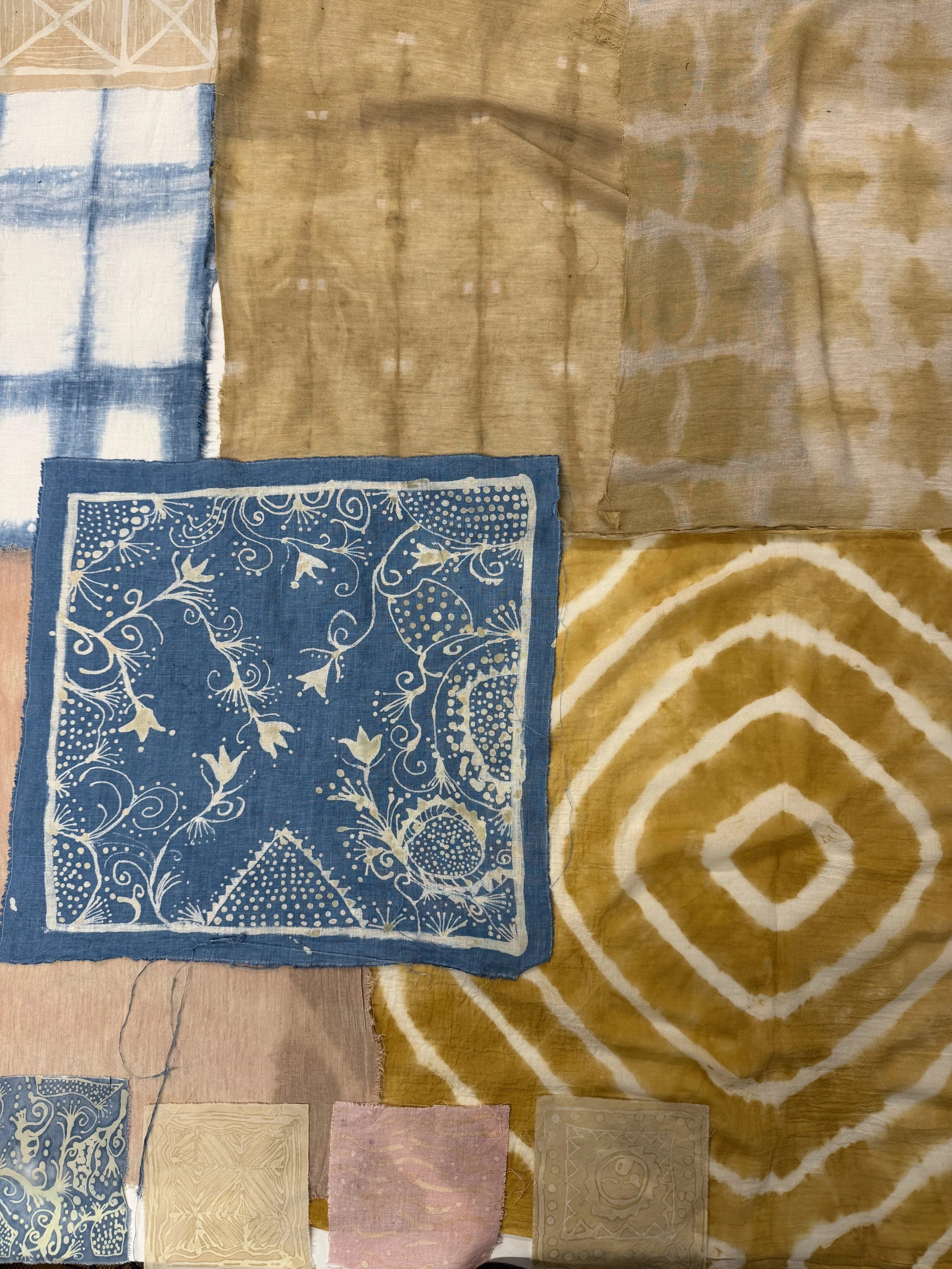
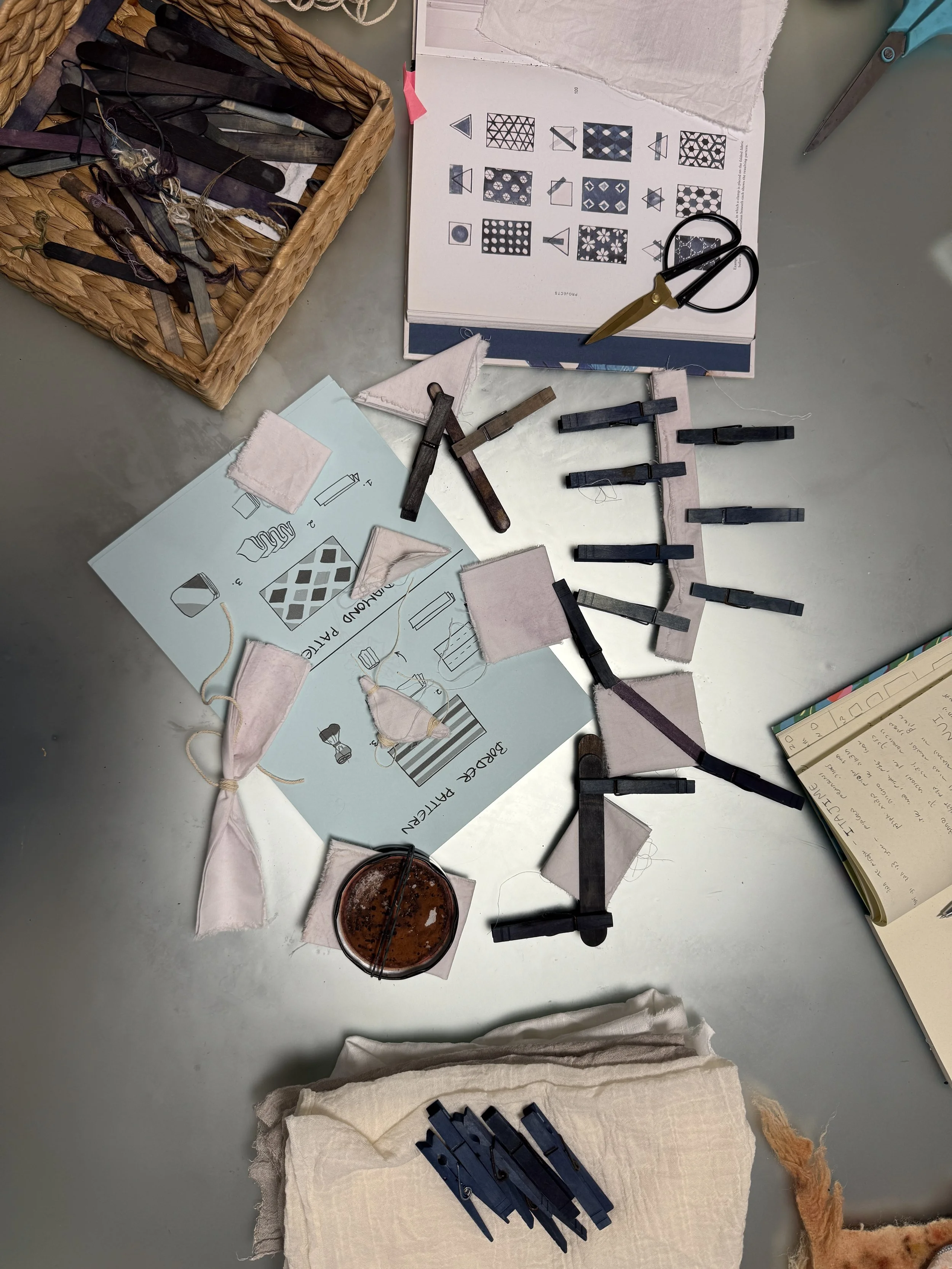
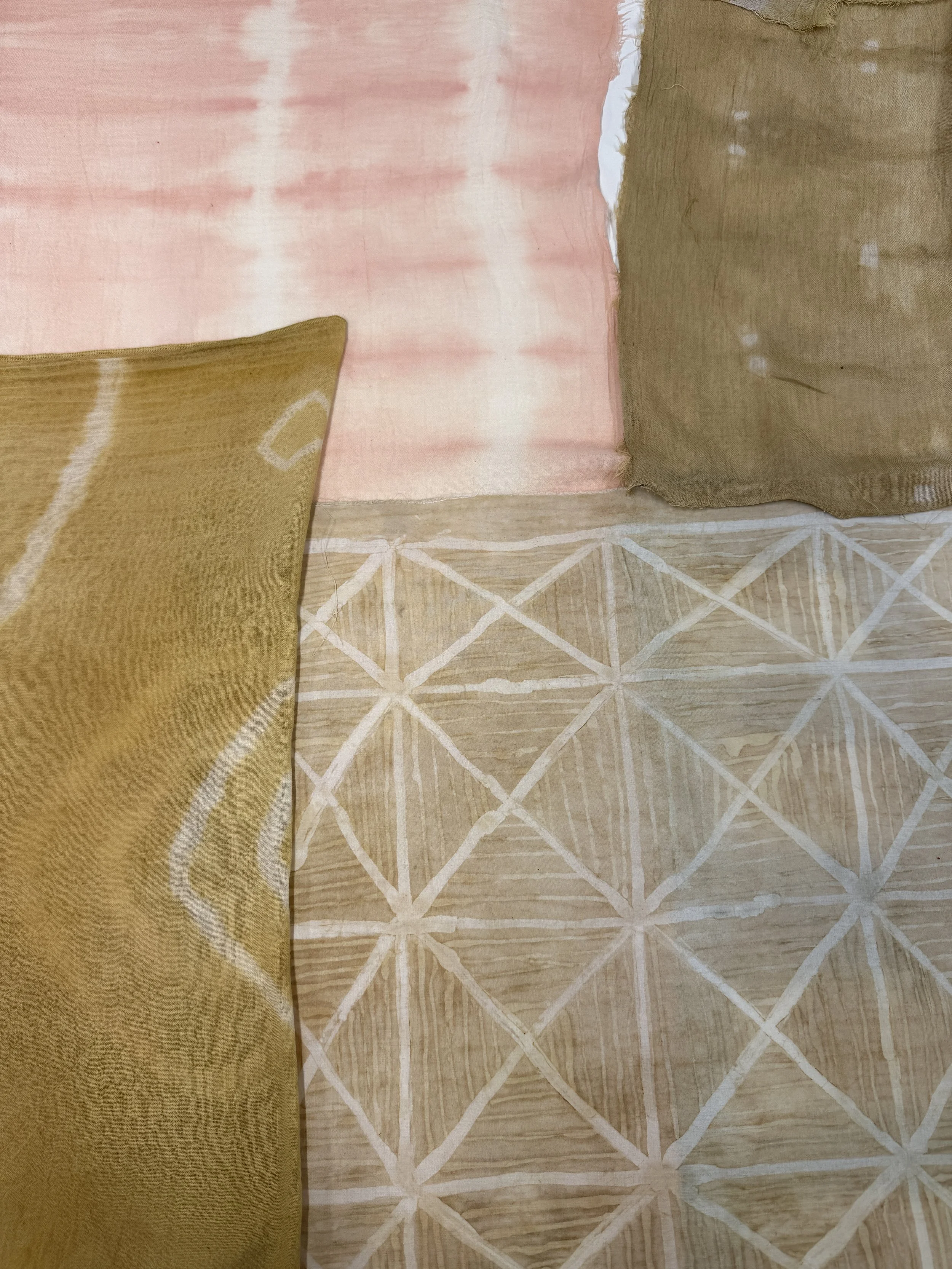
Shibori is a traditional Japanese resist-dyeing technique that dates back to the 8th century. By binding, folding, stitching, twisting, or compressing fabric, we create intricate and unique patterns. While Shibori is traditionally done with indigo, this workshop explores the technique using a variety of natural plant-based dyes to achieve a beautiful range of colors.
The class combines structure with experimentation, allowing every participant to develop an individual design.
Minimum 4 hours
What you will learn:
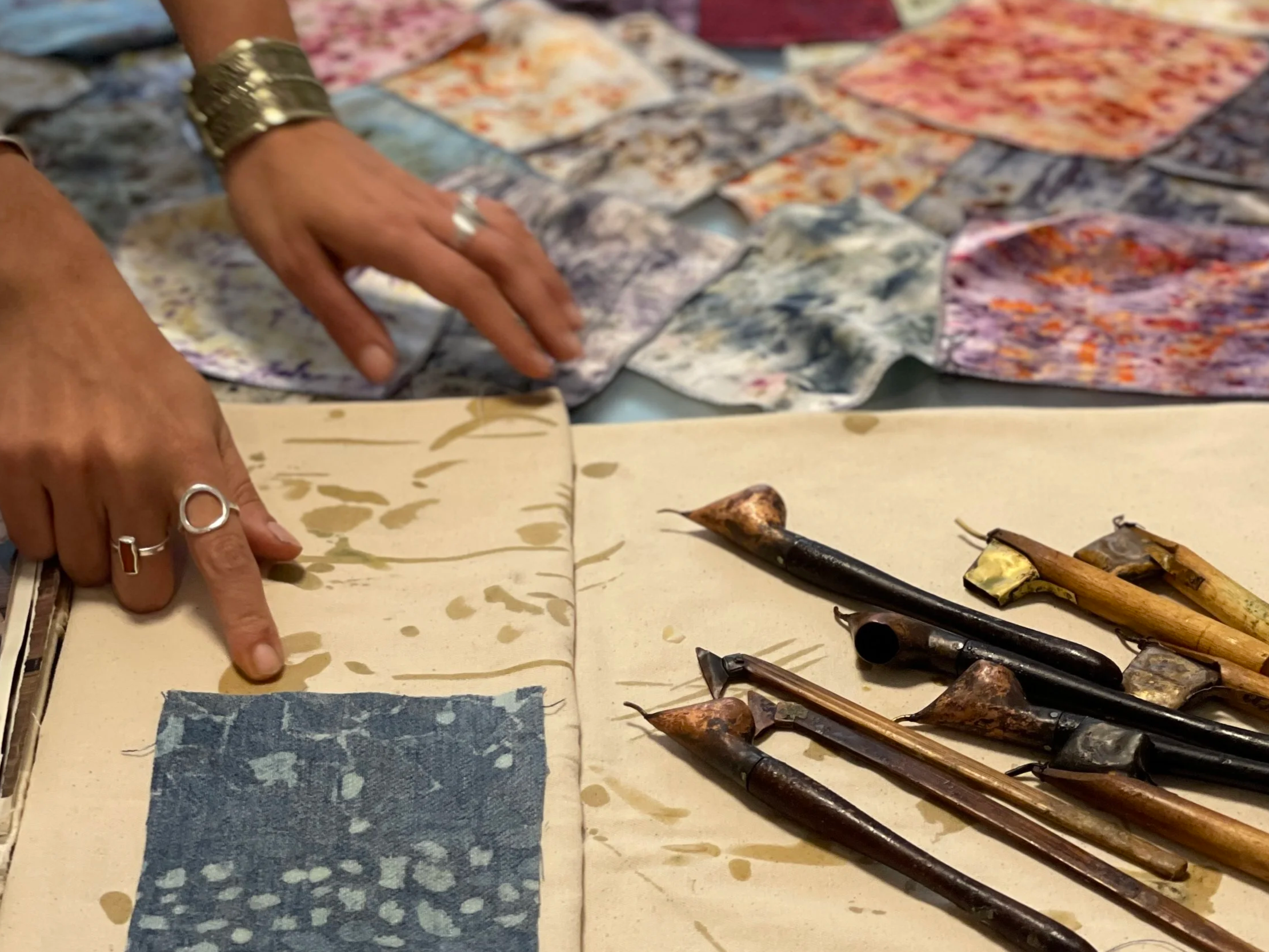
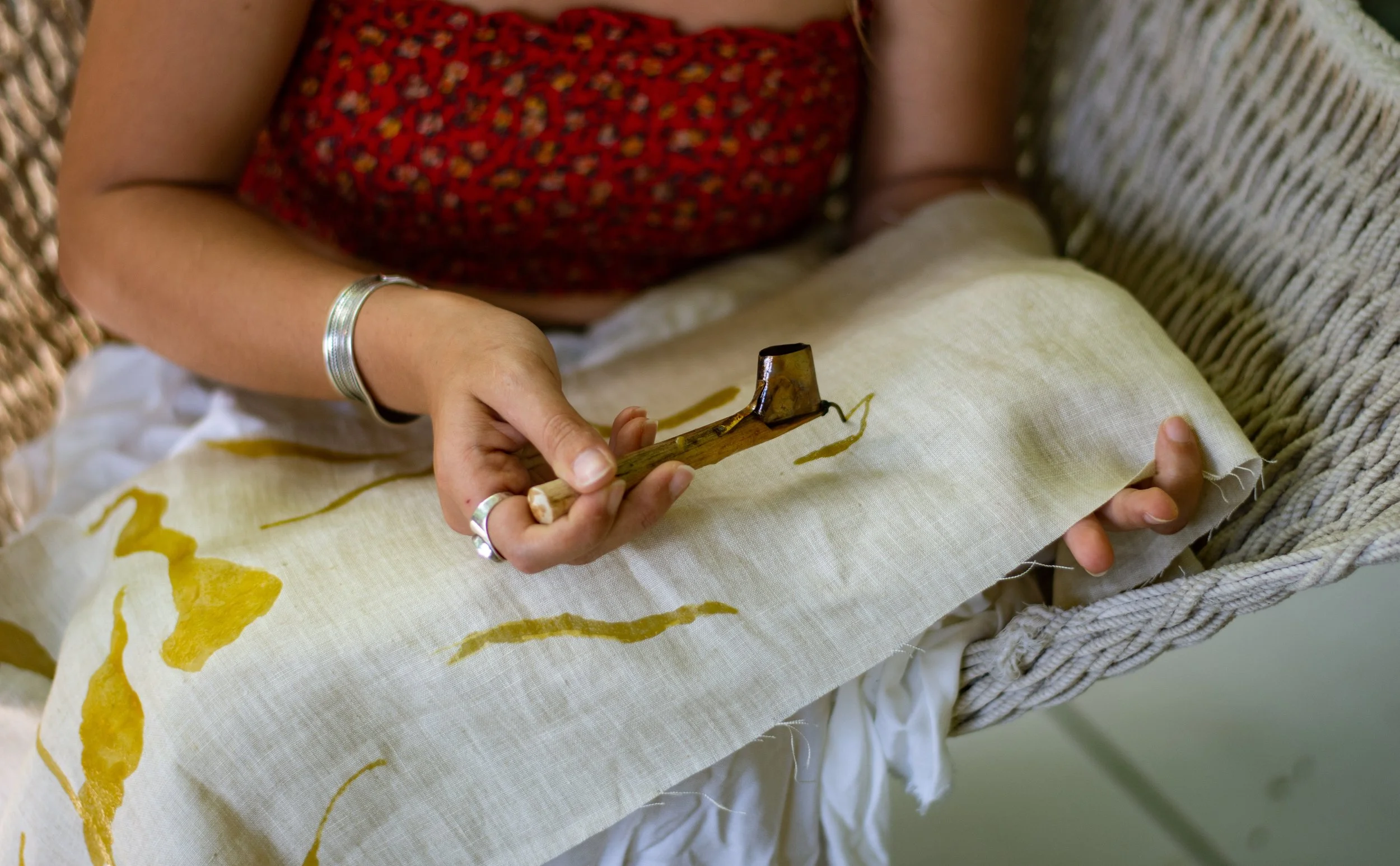
In this hands-on workshop, you will learn the intricate and beautiful art of batik, a traditional wax-resist dyeing technique that originated in Indonesia. Using small copper tools called tjantings, you’ll apply melted wax onto cotton fabric to create designs that resist the dye, leaving behind unique patterns where the wax has been applied.
Minimum 4 hours
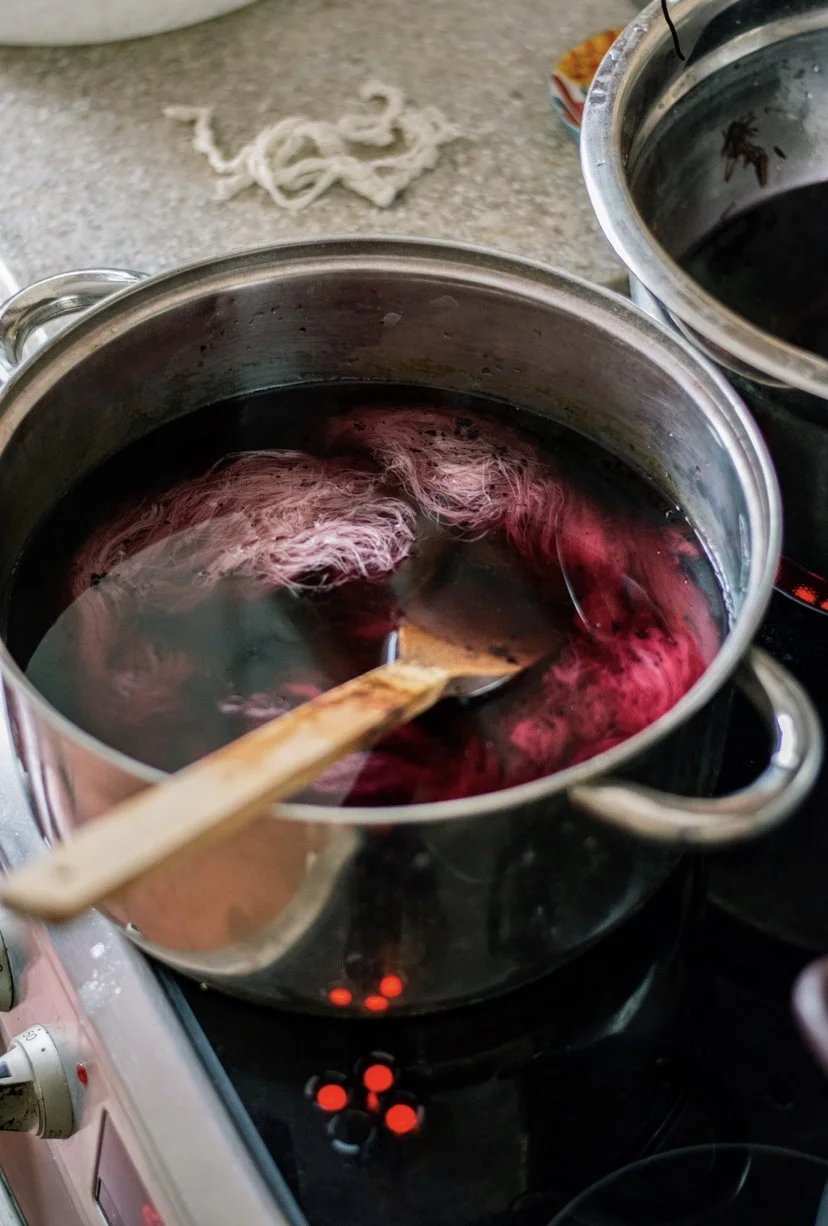
Designed for those with a foundational understanding of natural dyeing, this session invites you to go deeper into the nuances of colour: how it develops, shifts, and transforms across fibres, mordants, and modifiers.
Working with historic dyestuffs and traditional techniques, we will explore how a single dye bath can unfold into an entire spectrum — from soft blush tones to deep violets and complex, shadowed reds.
Throughout the class, Christiana shares the reasoning behind every stage—from preparing the textile and choosing the appropriate mordant to understanding the behaviour of individual plants.
You will work slowly, experiment freely and leave with your own naturally dyed textile pieces, along with a deeper understanding of plant-based colour.
Suitable for beginners and experienced makers. The specific class can be selected according to your interests and level of experience.
Prices will depend on the amount of hours you want to take.
Please note that cancellations must be made at least 3 days prior to the date.
This 5-day intensive is a private class designed for those who want to immerse themselves in the full world of natural dyeing. Each day includes 4 hours of guided teaching followed by 3 hours of independent experimentation in my natural dye kitchen, where you can put new knowledge into practice and explore your own ideas with full access to the atelier.
We’ll begin with the foundations: scouring, mordanting, and exploring how pH and salt modifiers transform plant-based colors. From there, we’ll dive into three key creative techniques:
Bundle dyeing – using flowers, leaves, and food waste to create organic patterns full of surprise and color.
Shibori – the Japanese art of resist dyeing with folds, ties, and stitches to form striking patterns.
Batik – working with hot wax as a resist to create layered motifs and designs.
Throughout the week, we’ll combine these approaches in innovative ways, encouraging experimentation and play. You’ll build a portfolio of work including fabric samples, process notes, and completed pieces. On the final day, we’ll hold a tutorial session to reflect on your results and discuss how you can continue evolving your practice after the course.
This intensive is open to both beginners and experienced natural dyers who want to go deeper, as well as designers and artists interested in working with sustainable textiles. All cotton, linen, and silk fabrics are included, but you are also welcome to bring your own organic materials to experiment with.
No results match your search. Try removing a few filters.