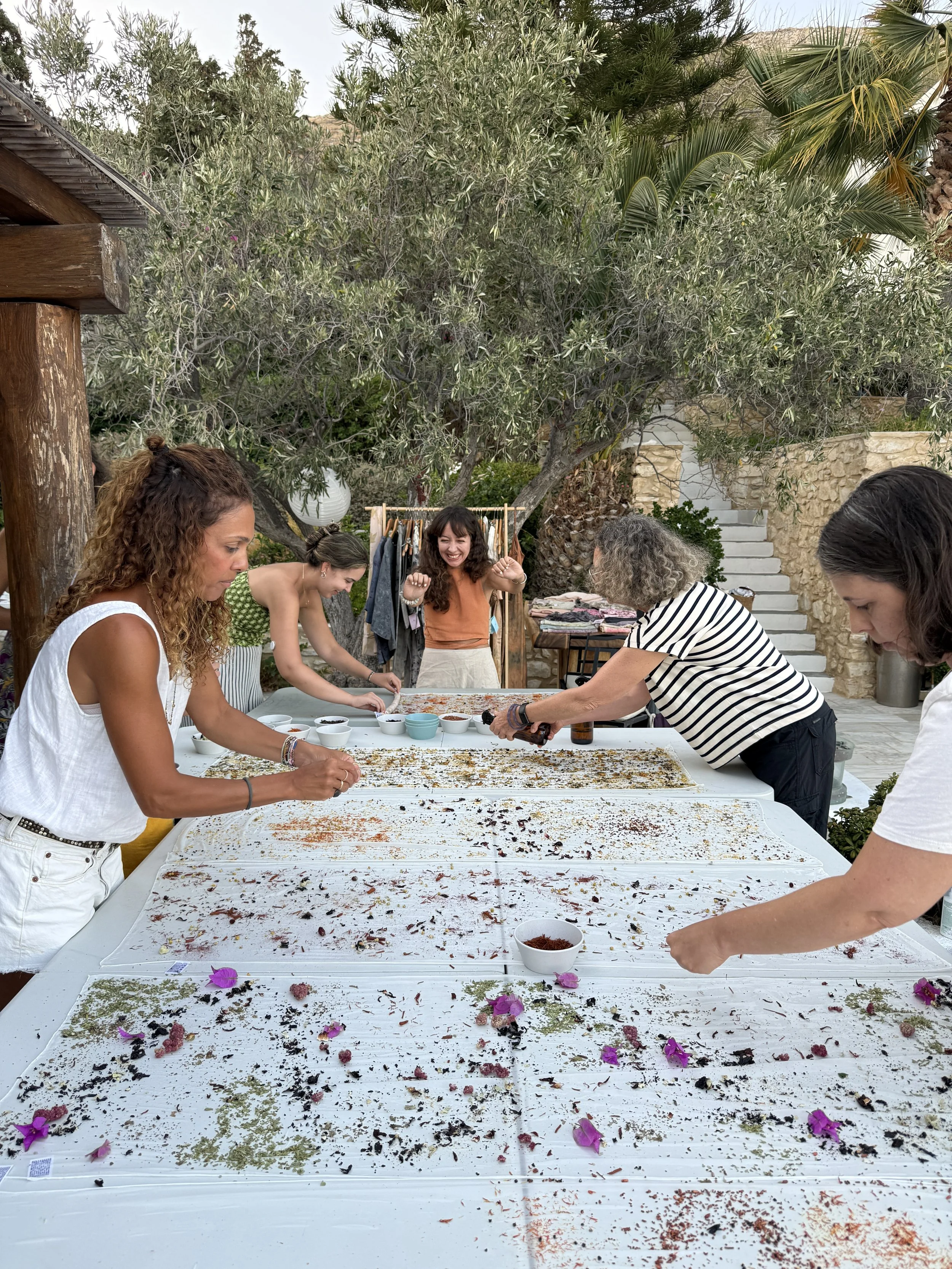
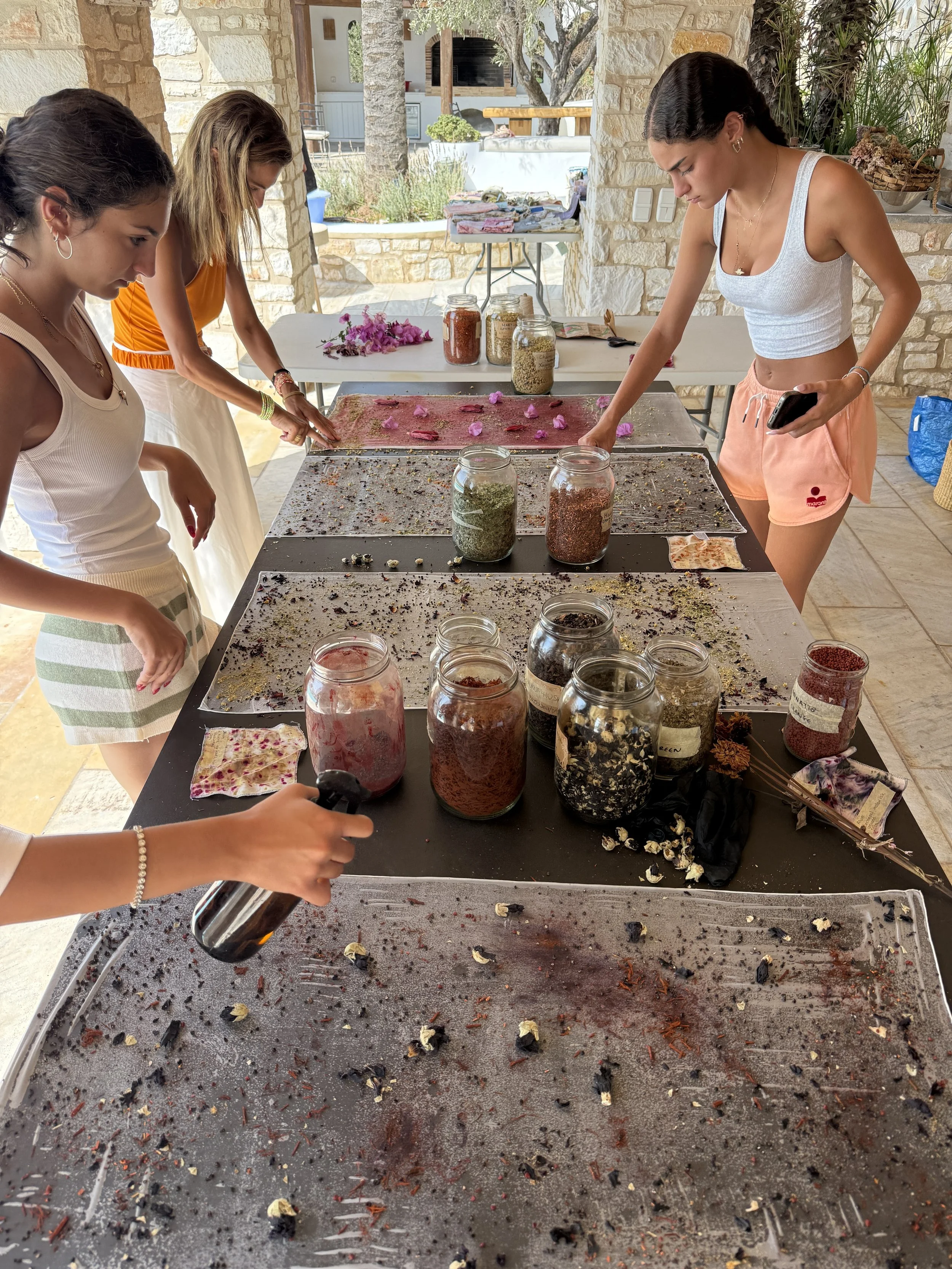
Natural Dyeing Workshops in Athens
Transform textiles with nature's colour.
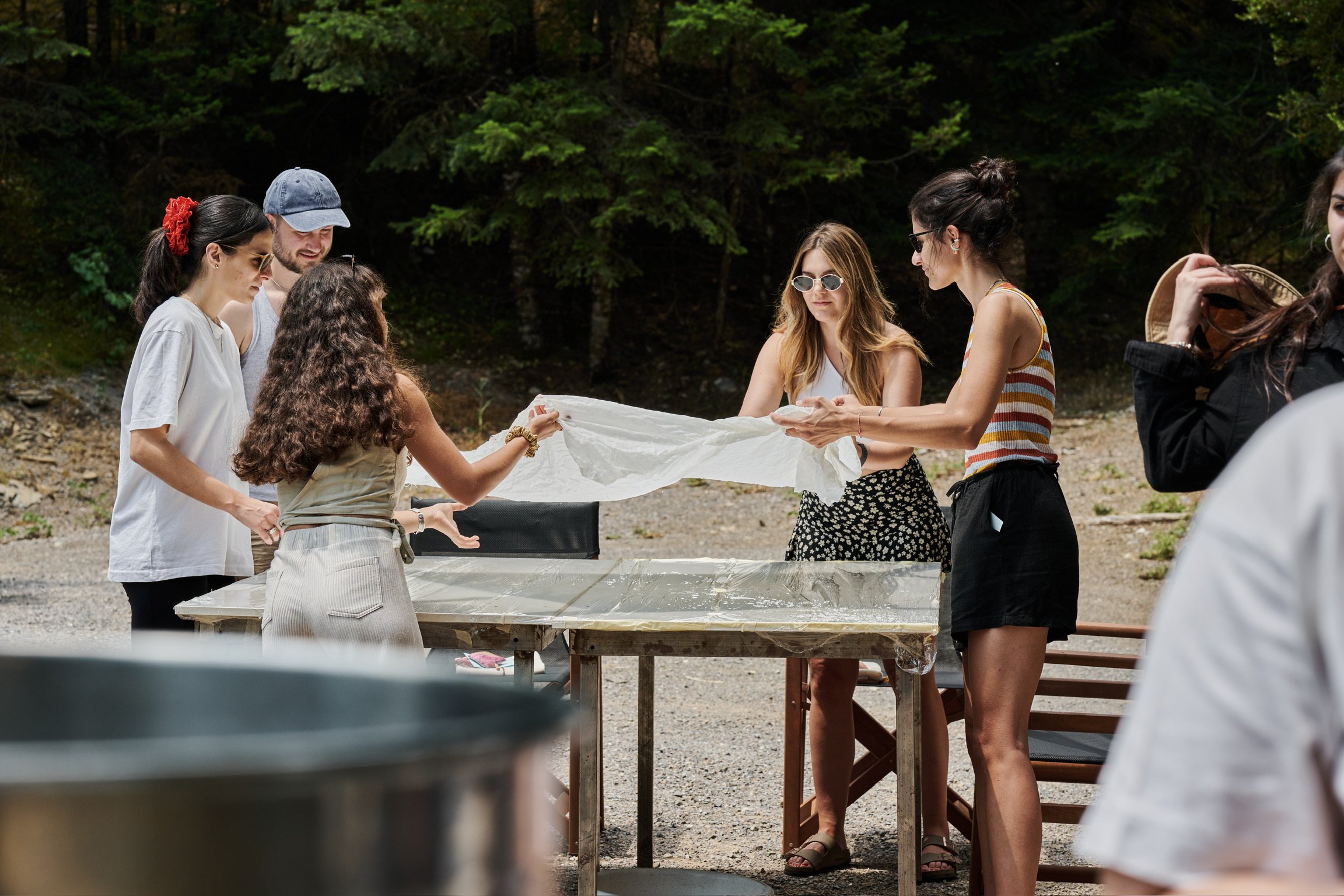
Join me in my Athens studio, or find me at a hotel residency, retreat, or collaborative session with fellow makers.
My approach to teaching is centred on understanding the process rather than simply following a set of instructions. We explore how fibres, plants, colour and technique behave, giving you the knowledge and confidence to experiment and make your own creative choices.
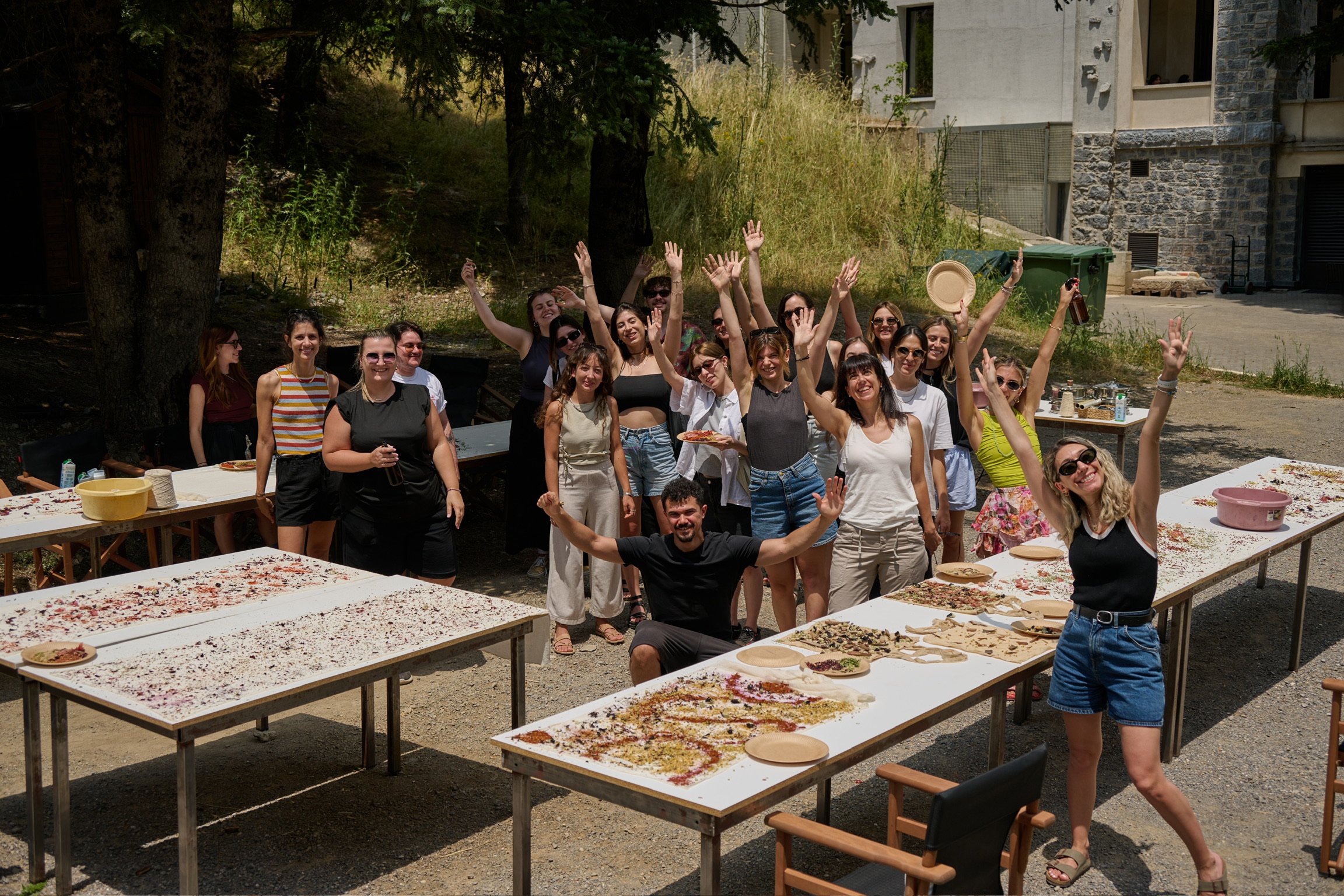
Workshops are held in small groups, creating space for personal guidance, conversation and discovery. Whether you are encountering a technique for the first time or developing an existing practice, you are invited to work slowly, learn through making and connect more deeply with natural materials.
Alongside my regular workshops in Athens, I teach private classes, collaborative workshops and textile retreats in Greece and abroad.
This is an opportunity to experiment, learn and connect—with nature, craftsmanship and a like-minded community.
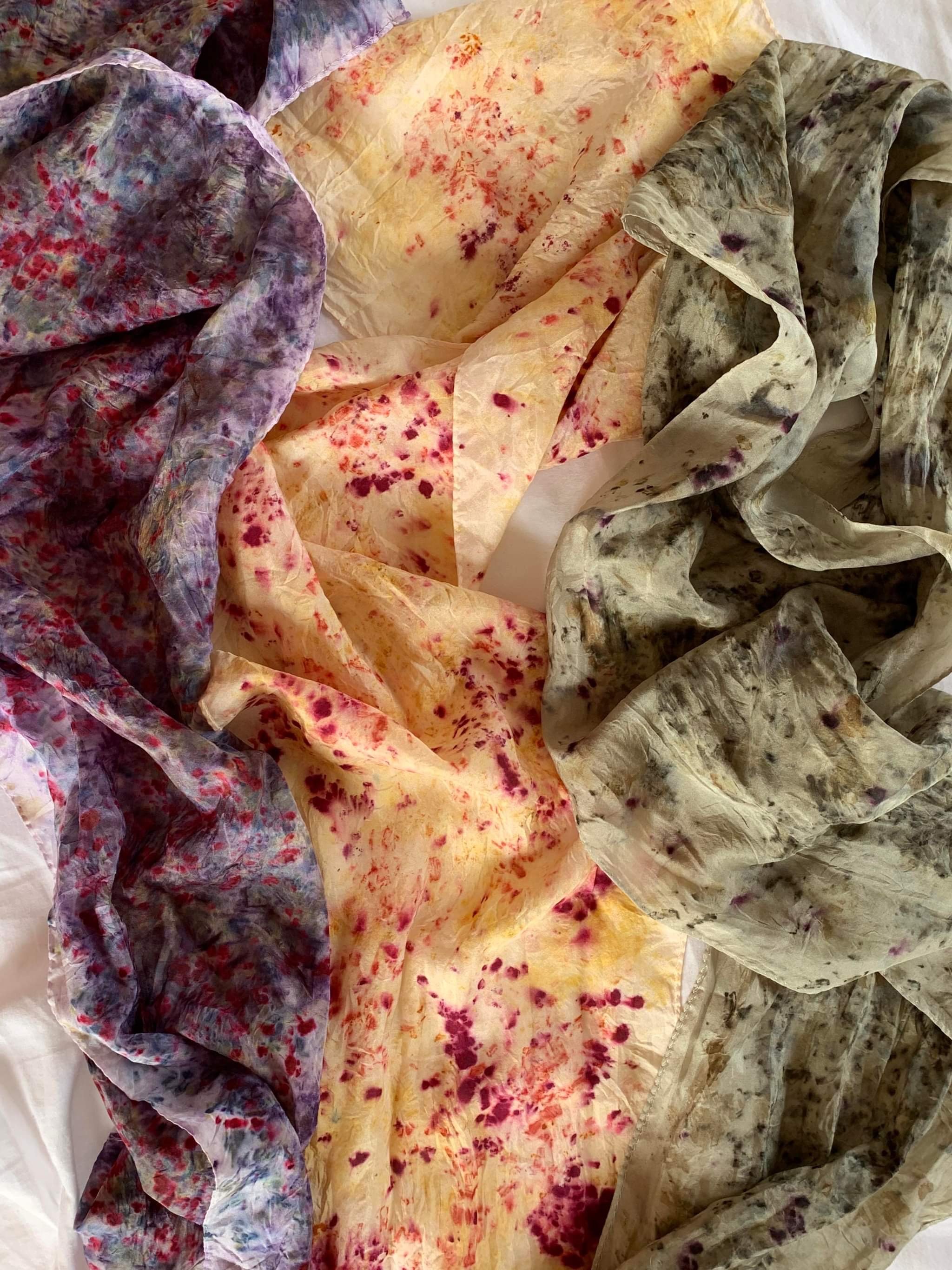
Bundle Dyeing Workshop
Explore the art of bundle dyeing in a creative and playful atmosphere
Location: Kallirois Parren 3, Athens
Duration: 2.5 hours (11:00 - 13:30)
Class size: Maximum 6 students
What you will learn:
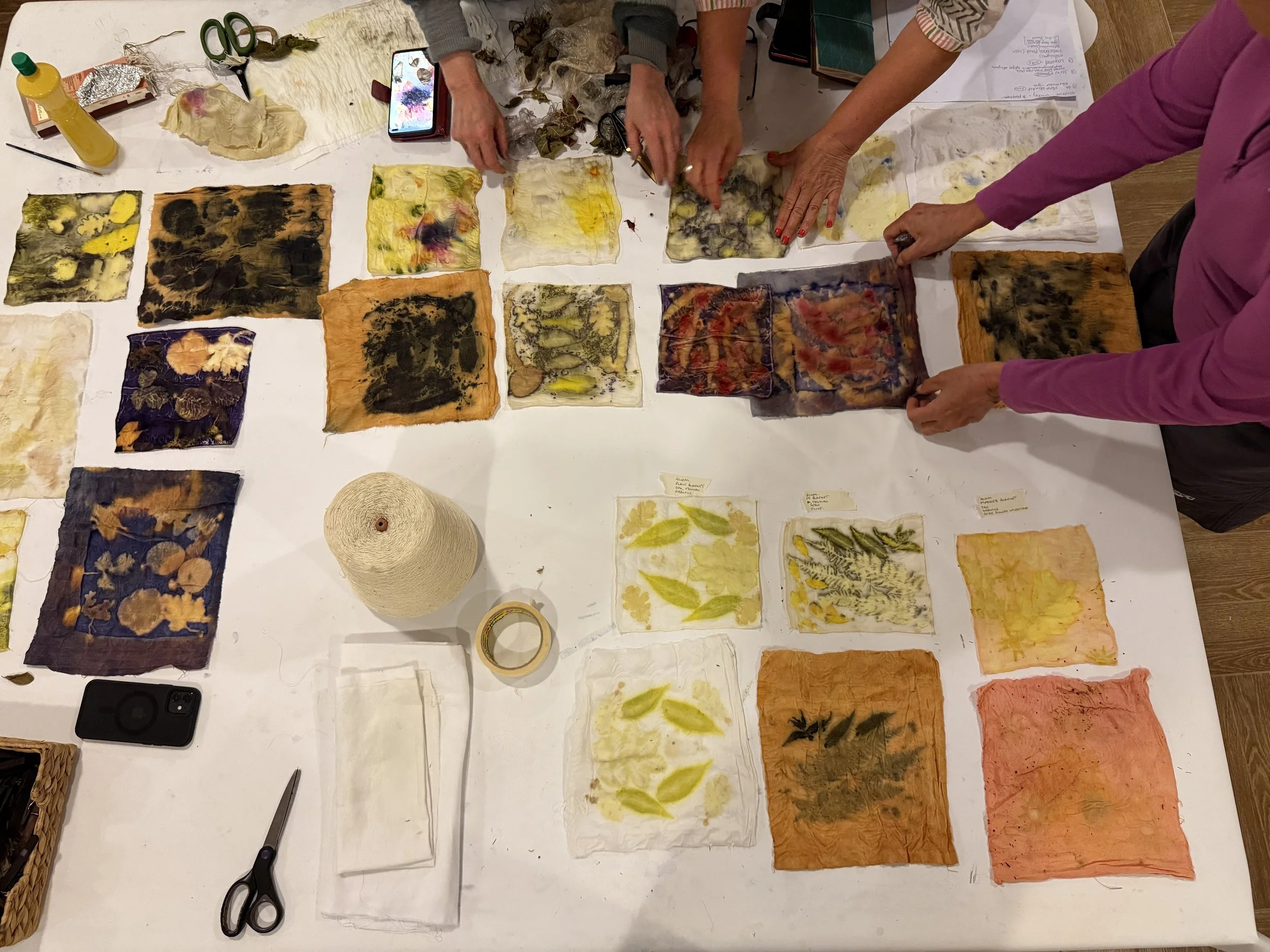
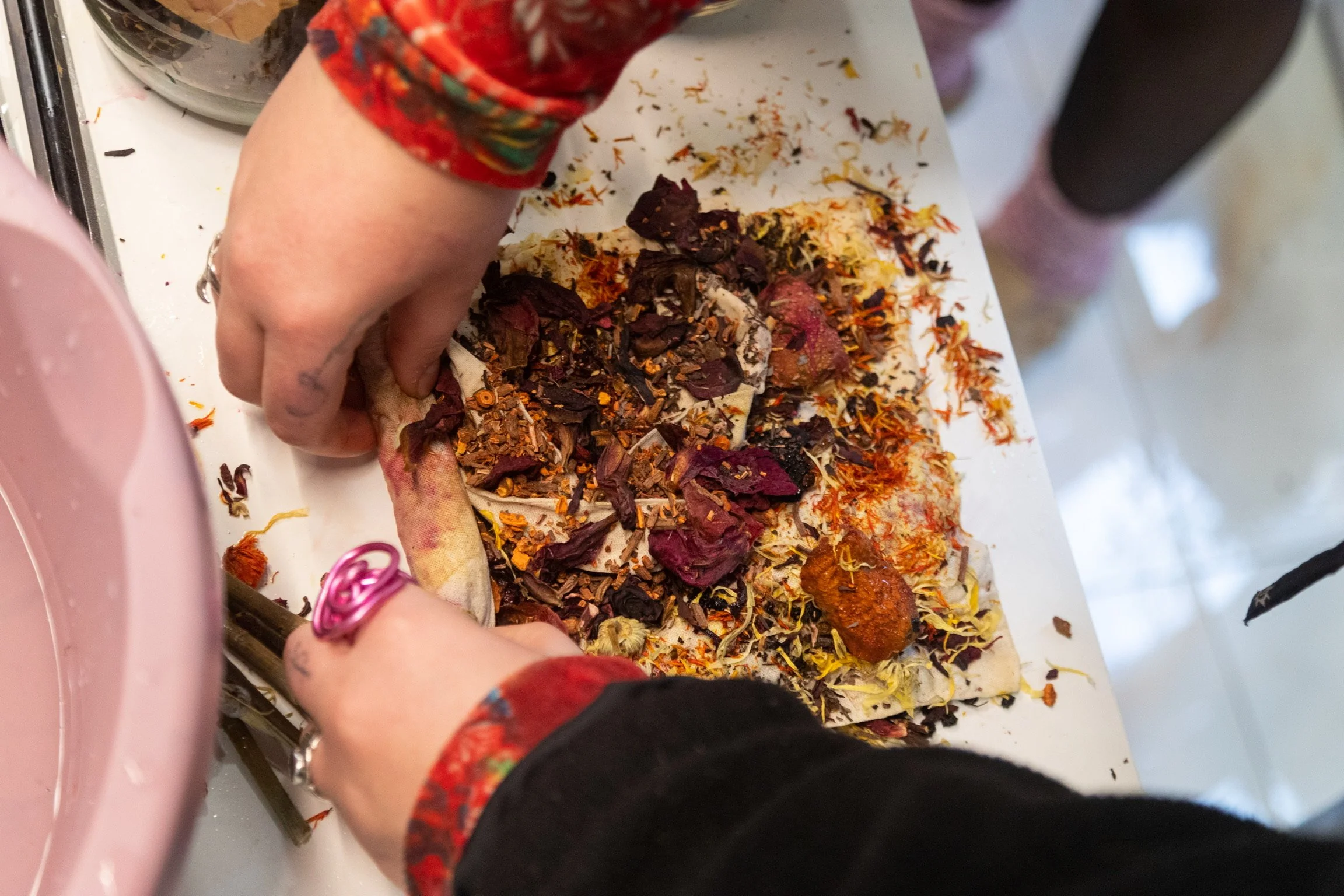
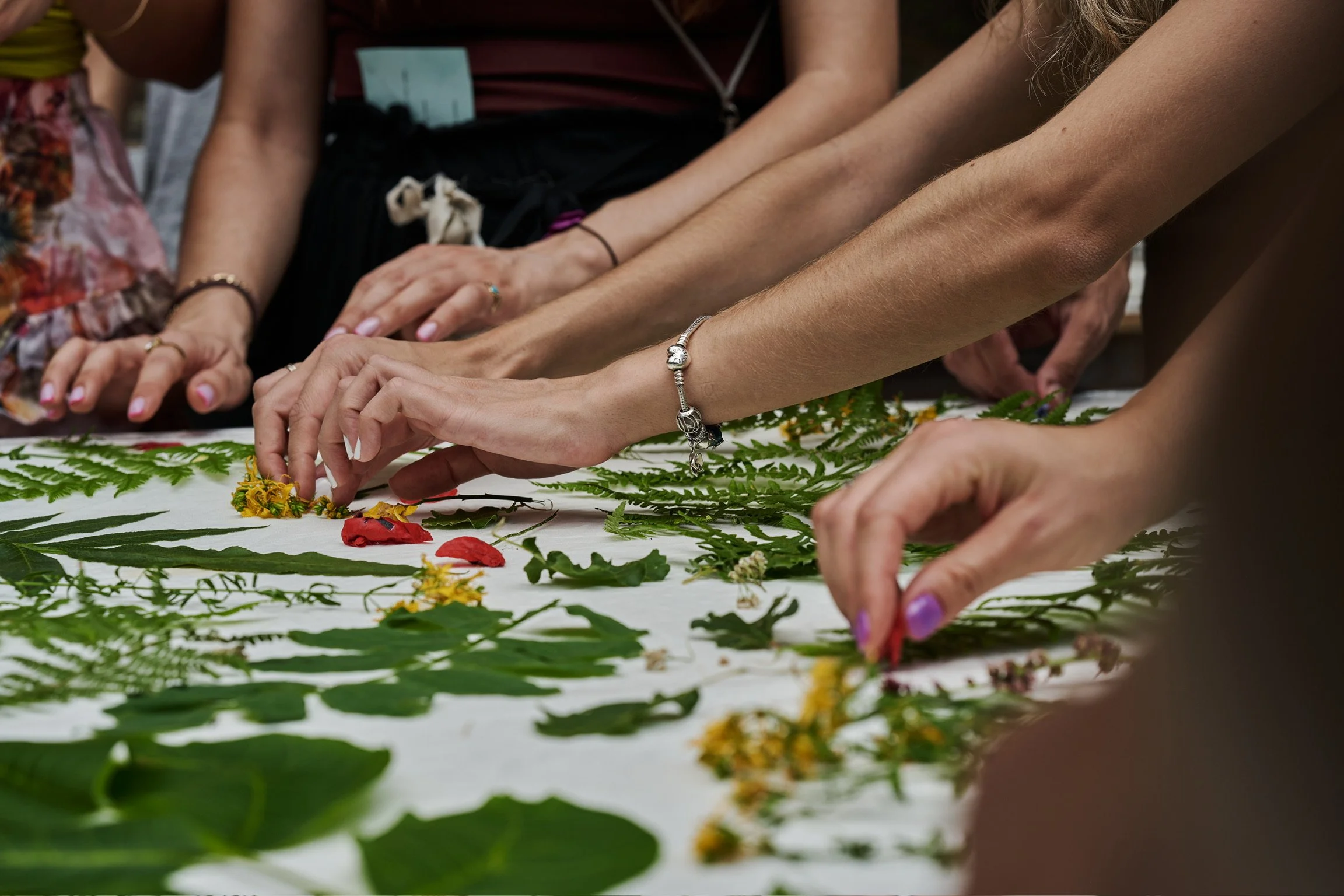
In this workshop, you’ll dive into the fascinating world of bundle dyeing, a contemporary technique first developed by India Flint in Australia. This method uses fresh flowers, leaves, and other plant materials to create botanical prints on fabric. When the plants are steamed, their natural colours transfer onto the fabric, forming unique and beautiful herbal-infused patterns.
Key topics covered:
Introduction to Plants: Learn about different plants and flowers that can be used to create stunning prints.
Bundle Dyeing Techniques: Discover the folding and rolling methods that give you endless possibilities for creating unique patterns.
Mordants & Fabric Choices: Understand the role of mordants in the dyeing process and which fabrics work best for eco-printing.
Unpredictability & Creativity: Embrace the spontaneous nature of the process, allowing you to experiment and play with different styles.
What you will make:
Each participant will have the opportunity to print on a 100% silk scarf (45x45 cm) using the bundle dyeing technique, creating a unique piece of wearable art to take home.
What to bring:
Please bring a notebook to jot down your insights and creative ideas throughout the workshop.
Language:
The workshop is taught in Greek and/or English, depending on the participants.
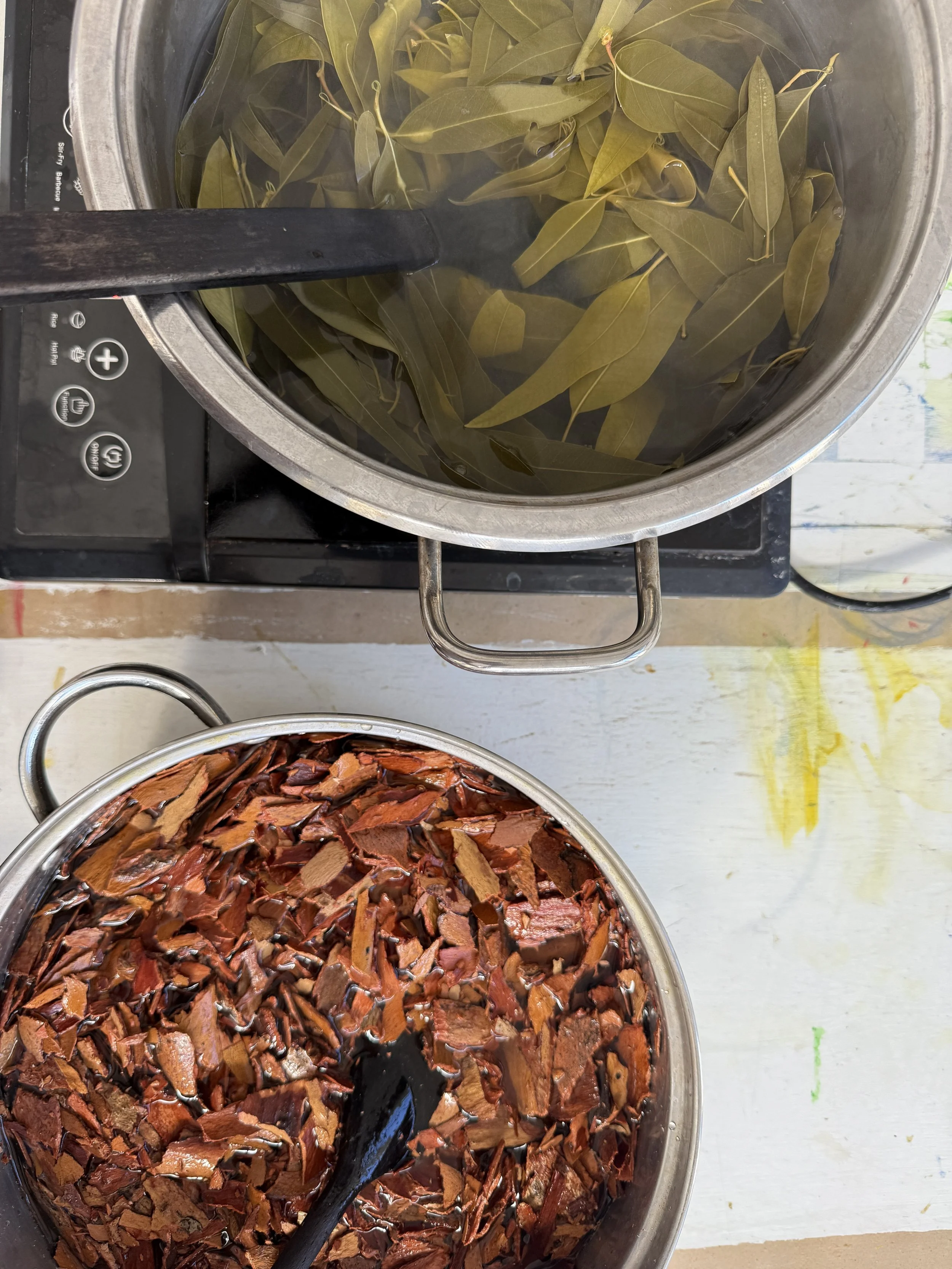
Introduction to Natural Dyeing Workshop
Discover the art of plant-based colours in our beautiful Athens studio
Location: Kallirois Parren 3, Athens
Duration: 3 hours (11:00 - 14:00)
Class size: Maximum 6 students
What you will learn:
In this hands-on workshop, you’ll explore the world of natural dyeing using a variety of plants and materials. You’ll learn how to create stunning colors from everyday botanical ingredients, including flowers, roots, kitchen scraps, and plants found in nature.
Key topics covered:
Introduction to Natural Dyes: Understanding how different materials like madder, chamomile, onion skins, and acorn cupules produce vibrant colours.
Dyeing Process: Step-by-step instructions on how to prepare and apply natural dyes to different fibers (linen, silk, cotton, and wool).
Mordants: Learn how mordants affect colour and how to use them to enhance your dyeing results.
Fabric & Fiber Choices: Discover which fabrics work best with natural dyes and how to create a beautiful final result.
What you will make:
You will create 8 unique colours using the following natural dyestuffs:
Madder (roots)
Chamomile (flowers)
Onion skins
Acorn cupules
At the end of the workshop, you will take home a botanical dyeing swatch book, featuring samples of fabric and yarn (linen, silk, cotton, and wool) dyed with the colours you’ve created.
What to bring:
Please bring a notebook to jot down your learnings, ideas, and inspiration!
Language:
The workshop will be taught in Greek and/or English, depending on the participants.

Discover the magic of this ancient Japanese resist-dyeing technique
Location: Kallirois Parren 3, Athens
Duration: 2 hours (11:00 - 13:00)
Class size: Maximum 6 students
What You Will Learn:
Shibori is a traditional Japanese resist-dyeing technique that dates back to the 8th century. By binding, folding, stitching, twisting, or compressing fabric, we create intricate and unique patterns. While Shibori is traditionally done with indigo, this workshop explores the technique using a variety of natural plant-based dyes to achieve a beautiful range of colors.
In this workshop, you will:
Learn about the origins of Shibori and its rich history
Explore different Shibori techniques, including:
Kanoko Shibori (tie-dye style binding)
Miura Shibori (looped binding)
Kumo Shibori (pleated and bound for spiderweb effects)
Arashi Shibori (pole-wrapping for wave-like patterns)
Nui Shibori (stitched resist)
Itajime Shibori (folded and clamped resist)
Honeycomb Shibori (pleated and tied for a textured look)
Discover plant-based dyes and how different plants create a variety of colours, including:
Madder root (pink)
Acorn cupules (grey)
Onion skins (dark green)
Logwood bark (purple)
Chamomile flowers (yellow)
Understand the importance of organic, biodegradable fabrics and how different materials react to natural dyes
Learn how to properly care for naturally dyed textiles
What You Will Make:
Each participant will have the chance to experiment with various Shibori techniques before choosing their favourite method to create a hand-dyed silk scarf (170cm x 30cm)—a one-of-a-kind piece to take home.
Who Can Join?
This workshop is fun, creative, and perfect for all ages. The process is full of surprises, making each piece truly unique!
Language:
The workshop is taught in Greek and/or English, depending on the participants.
Photo Credits: SNFCC
Batik Workshop
Explore the ancient art of wax-resist dyeing in our creative studio in Athens
Location: Kallirois Parren 3, Athens
Duration: 4 hours (11:00 - 15:00)
Class size: Maximum 6 students
What you will learn:
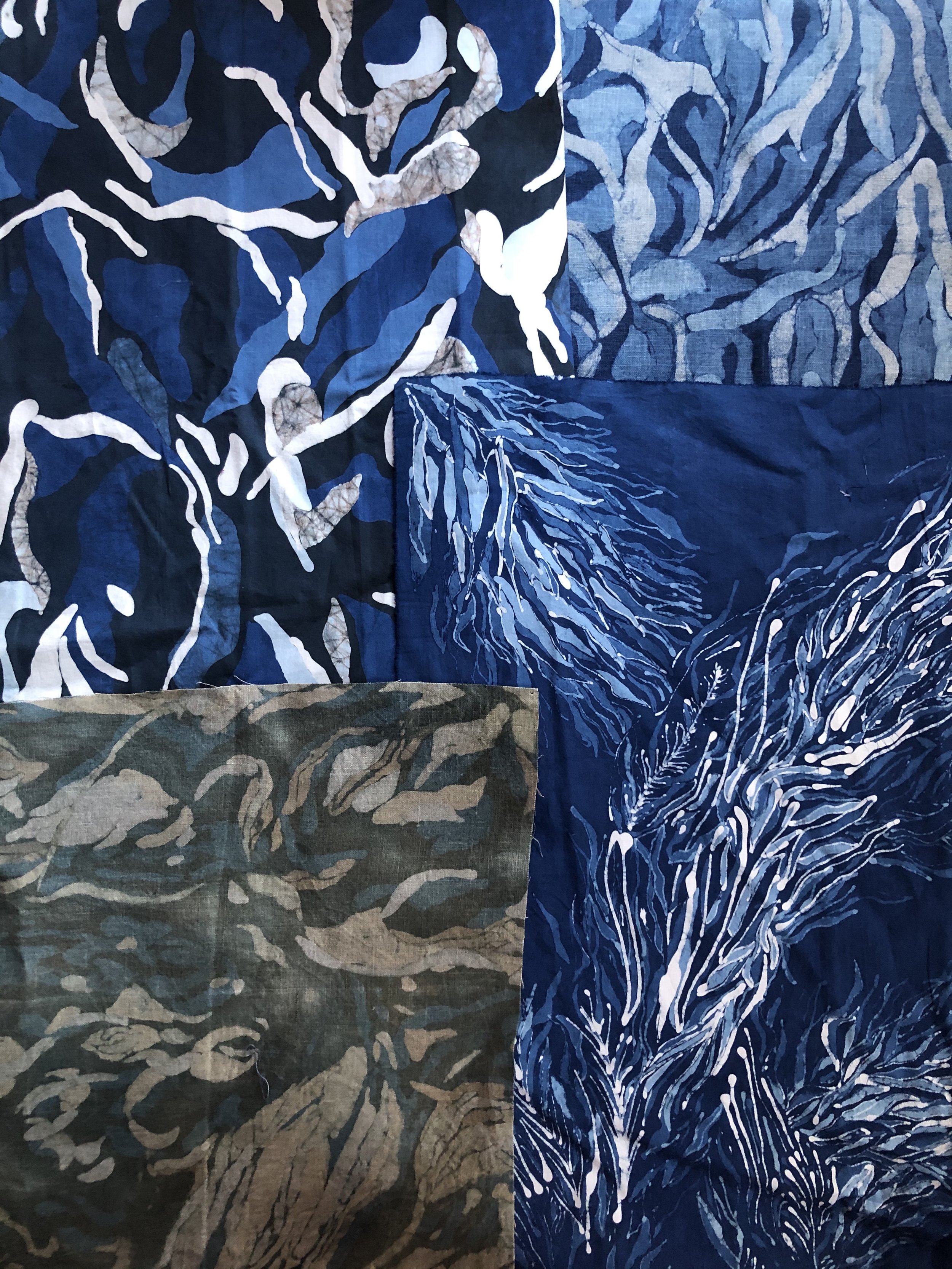
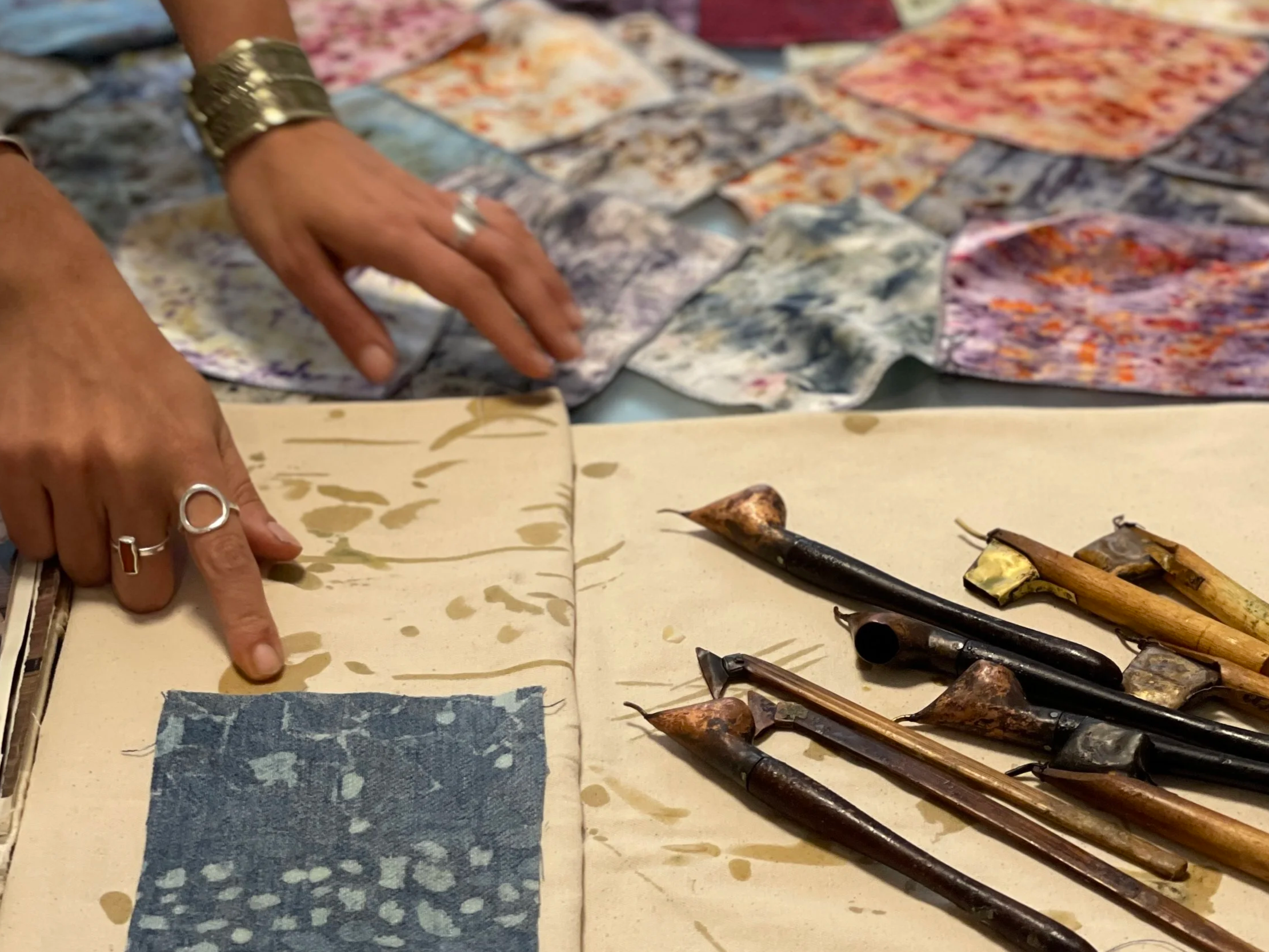
In this hands-on workshop, you will learn the intricate and beautiful art of batik, a traditional wax-resist dyeing technique that originated in Indonesia. Using small copper tools called tjantings, you’ll apply melted wax onto cotton fabric to create designs that resist the dye, leaving behind unique patterns where the wax has been applied.
Key topics covered:
Introduction to Batik: Learn how to use the tjanting tools to draw with melted wax, creating intricate designs on fabric.
Natural Dyes: Choose from three beautiful natural dyes to bring your batik designs to life.
Layering Techniques: Add layers of wax and dye to build depth and richness in your patterns.
Mordants & Fabric Choices: Discover which fabrics are best for batik and how mordants affect the dyeing process.
Wax Removal: Learn how to carefully remove the wax after dyeing to reveal your final design.
What you will make:
Each student will batik on two small cotton fabrics (20 cm x 20 cm) and one 100% cotton fabric (45 cm x 45 cm). The larger fabric can be sewn into a cushion or tote bag. If you prefer, we can sew it for you for an additional charge of €10.
What to bring:
Please bring a notebook to jot down your design ideas and notes during the session.
Language:
The workshop is taught in Greek and/or English, depending on the participants.
Filters
No results found
No results match your search. Try removing a few filters.
For Groups & Partners
Offer your guests a hands-on textile experience inspired by natural colour, local materials and the surrounding landscape.
Guests can take part in current workshops held in the studio or schedule a private one. We can also develop a workshop especially for your hotel or retreat, adapting the technique, materials and format to your location, group and programme.
Hotels & Retreats
Bring your team or private group together through colour, cloth and making by hand.
Workshops can take place in my Athens studio, at an external venue or in your own office. The format, technique and materials can be adapted to your group, with participants creating an individual textile piece to take home, a collaborative artwork to display in the workplace, or a combination of both.
Team Building
Cultural & Creative Partners
We enjoy bringing different practices together and creating opportunities for shared learning.
If you are an artist, maker or creative educator interested in developing a collaborative workshop, textile retreat or special project, I would love to hear about your ideas.



Natural dyeing and other textile techniques
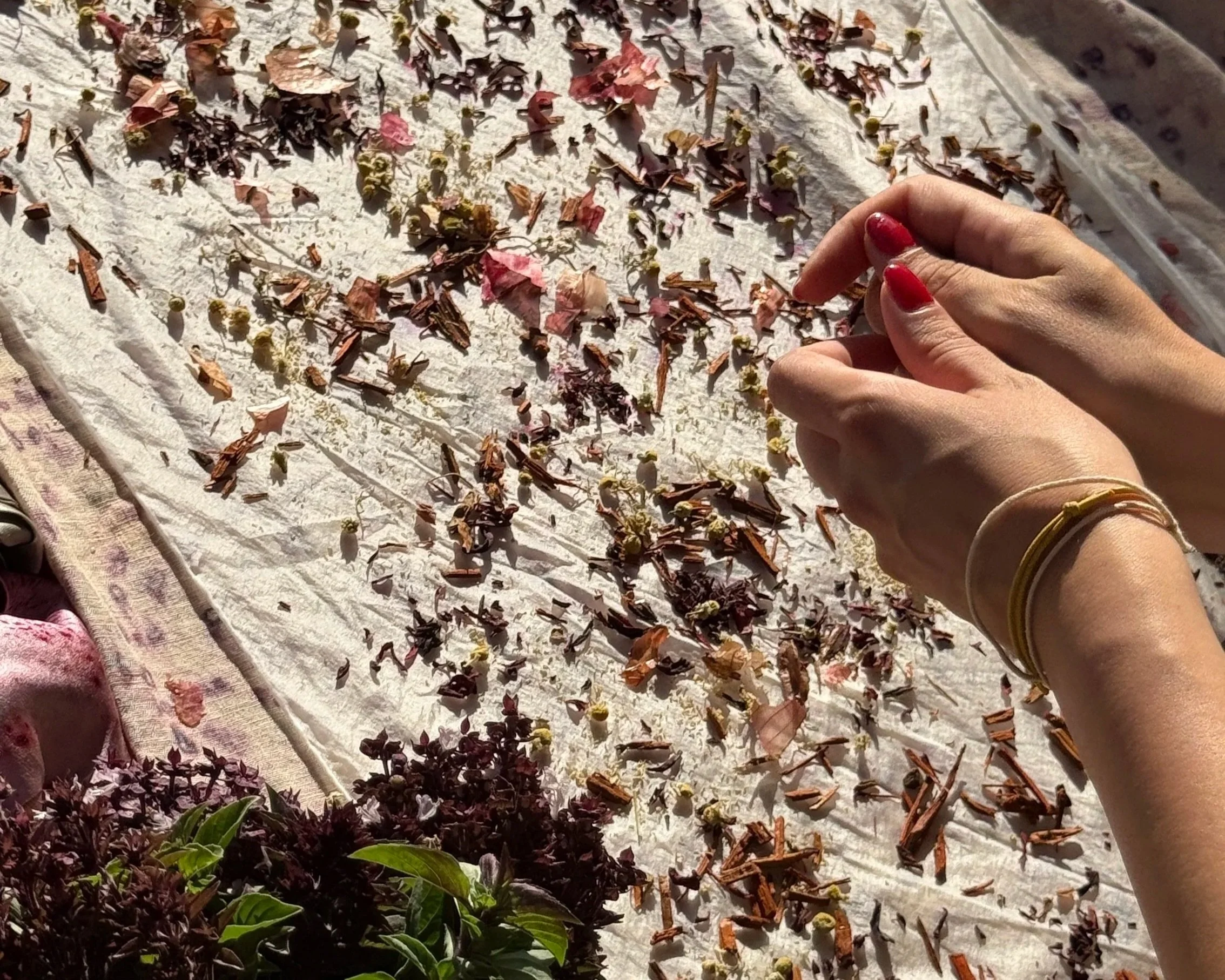
Bundle Dyeing
Contemporary natural dye technique that transform flowers, leaves, bark, roots, and botanical elements into delicate prints on fabric.
During the process, these plants are carefully arranged and wrapped within the textile, then gently steamed, allowing their natural pigments to imprint colour and organic patterns onto the cloth.
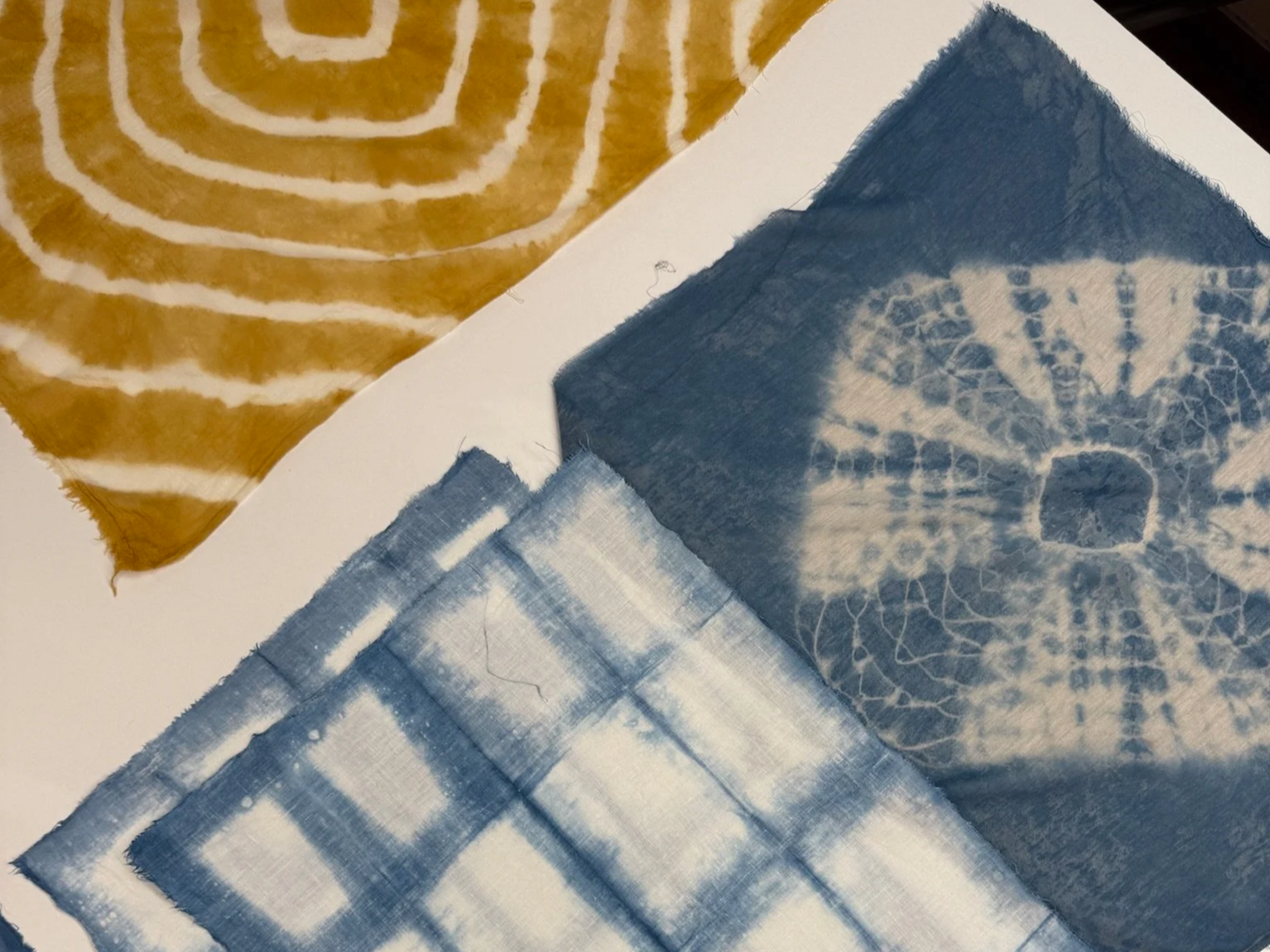
Ancient Japanese resist-dyeing technique dating back to the 8th century, known for creating striking patterns through the careful folding, binding, and shaping of fabric.
In this process, textiles are manipulated into different forms before being immersed in natural dyes. As the fabric unfolds, intricate geometric and organic patterns gradually emerge.
Shibori
Eco-Printing
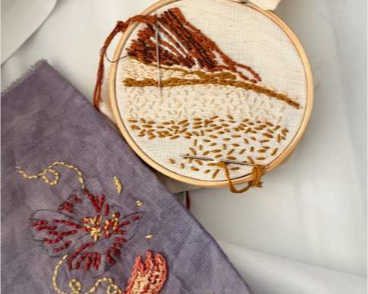
Mindful embroidery practice that invites participants to explore creativity through simple hand-stitching techniques.
Using natural yarns and textiles, guests learn a selection of gentle stitches while discovering the textures and qualities of different fibres such as cotton, linen, silk, and wool.
Slow Stich
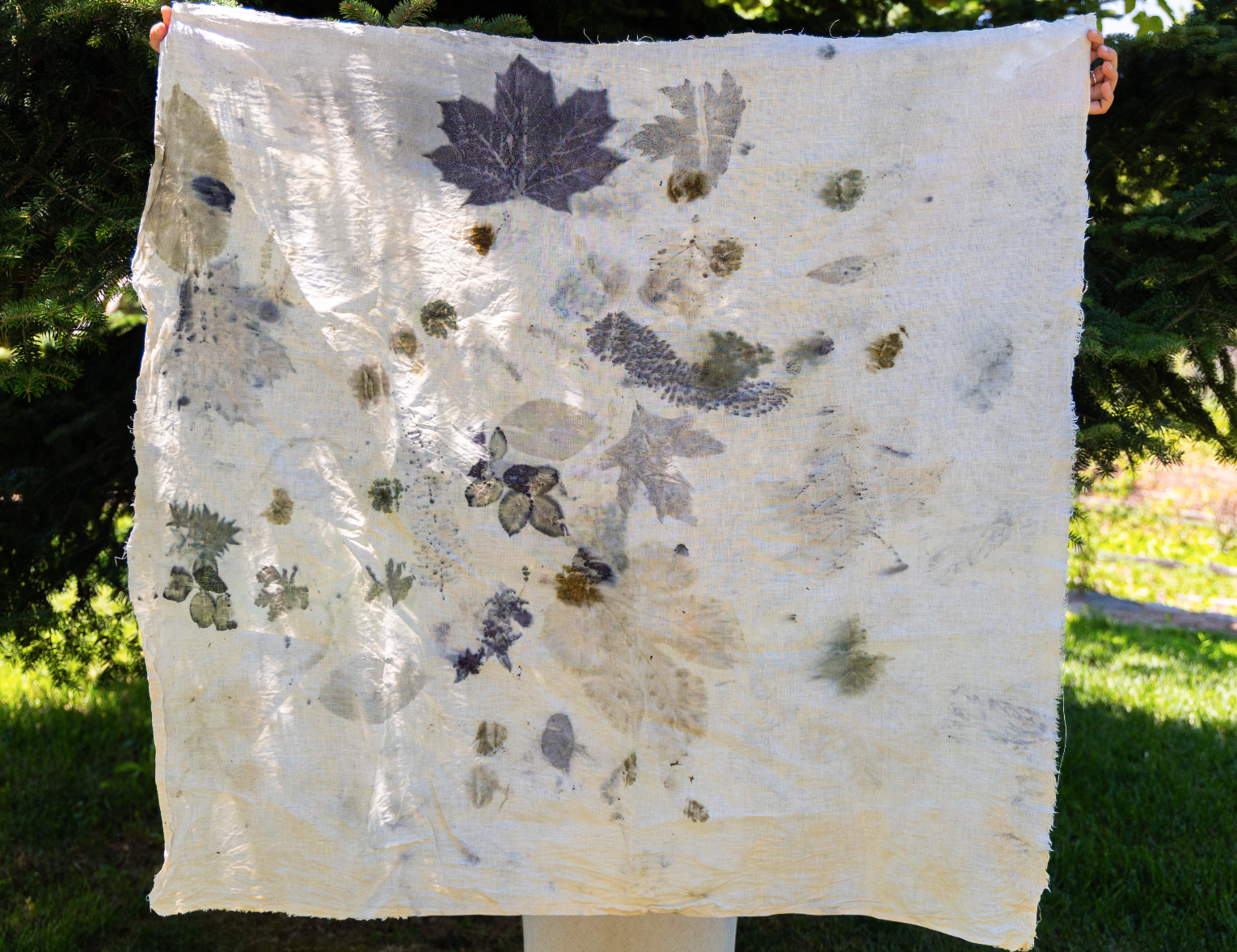
Eco-printing is a process where we transfer the colours and patterns of leaves directly onto fabric by applying heat and pressure.
The plants release their pigments onto the fabric, creating intricate, natural prints that are full of texture and depth. This technique is a celebration of natures beauty, producing one-of-a-kind prints that reflect the seasons and the environment around us.
Batik
Batik is a traditional Indonesian wax-resist dyeing technique that we incorporate into our practice to create beautiful, layered designs.
The process involves applying wax to fabric, which resists the dye, allowing us to colour selected areas while leaving others untouched. We repeat this process multiple times, creating stunning layers of colour.
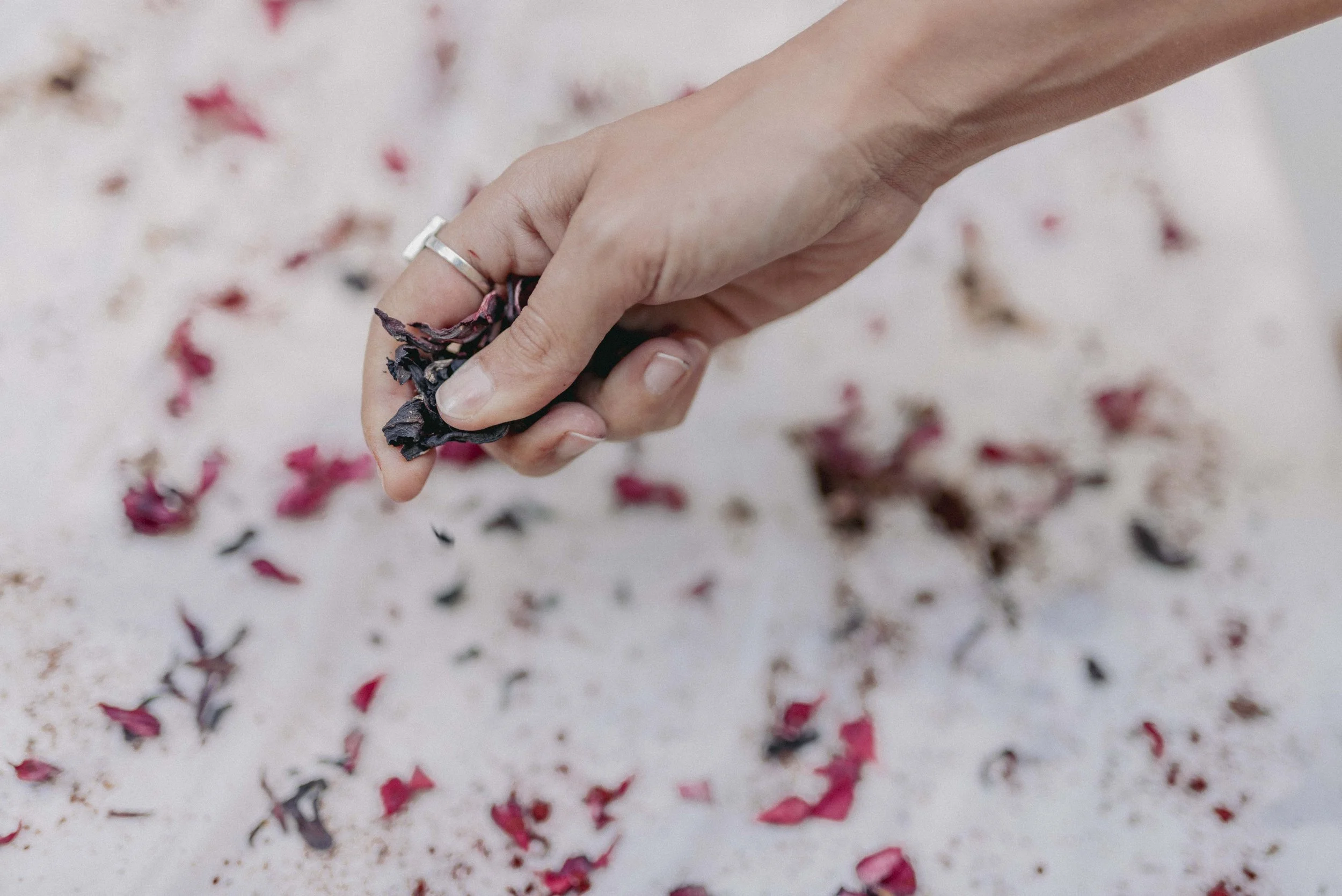
Tell us which techniques you are interested in and your level and we can create a workshop for you!
Find the right workshop
What it looks like